
New Delhi, Dec 28 (PTI) The year of tariffs was marked by a steep 50 per cent US duty on India's exports in 2025, but Indian exporters adapted by diversifying markets, keeping export growth resilient with
momentum likely to extend into 2026.
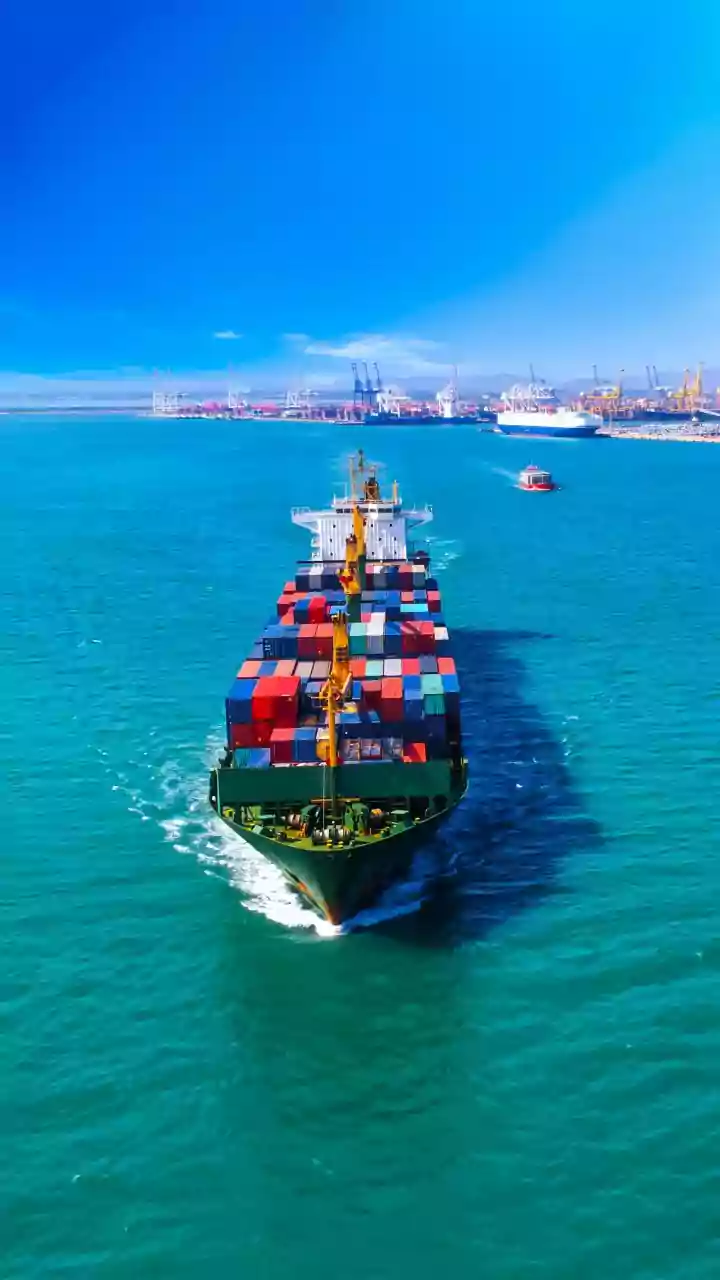
As one of the senior-most officers of the commerce ministry put it, "trade is like water, it finds its own course", the country's merchandise exports responded with agility to a series of disruptions caused by the Covid-19 pandemic (2020-22), the Russia-Ukraine war (since 2022), the Israel-Hamas war (since 2023), the Red Sea shipping crisis (2023-24), the semiconductor supply crunch, and now the high tariffs of the US.
From USD 276.5 billion in 2020, outbound shipments increased to USD 395.5 billion in 2021 and USD 453.3 billion in 2022. They dipped to USD 389.5 billion in 2023, but momentum picked up again, with exports rising to USD 443 billion in 2024. In 2025 (January-November) so far, they have reached USD 407 billion.
Commerce Secretary Rajesh Agrawal said India's exports of goods and services reached a historic high of USD 825.25 billion in 2024-25, over 6 per cent year-on-year growth and this strong upward trajectory continues into the current fiscal year also (USD 562 billion during April-November 2025), which is a clear demonstration of resilience amid global headwinds.
"Based on current trends, India's exports are poised to deliver solid growth in 2026 as well. Notably, three free trade agreements -- UK, Oman, and New Zealand -- will enter into force next year, unlocking enhanced market access for both goods and services exports," Agrawal told PTI.
Though the high tariffs imposed by the US, India's largest trading partner and export destination, on Indian goods since August impacted the shipments in September and October 2025 to America, it surged 22.61 per cent to USD 6.98 billion in November this year.
Exporters, however, are keeping their fingers crossed given the current global uncertainties. They are pinning hopes on early conclusion of the proposed bilateral trade agreement with the US and a trade deal with the European Union.
Taking note of the worsening geopolitical situation, the World Trade Organization (WTO) has projected that global trade would grow by 2.4 per cent in 2025. However, the outlook for 2026 has deteriorated to 0.5 per cent.
"With higher tariffs now in place and trade policy still highly uncertain, frontloading of purchases is expected to unwind as accumulated inventories are drawn down and as GDP growth slows. Possible signs of weakness in trade and manufacturing output have been observed in developed economies, including reduced business and consumer confidence and slower growth in employment and incomes," the WTO has said.
The government is optimistic that a series of measures taken by it will help exporters deal with these uncertainties and register a healthy growth rate in 2026.
"The government continues to monitor India's exports and take steps to promote them. It continues to work to mitigate the impact of the US tariff measures on Indian exports through a comprehensive multi-pronged strategy," an official said.
The measures included announcement of Rs 25,060 crore export promotion mission; extending additional collateral free credit facilities up to Rs 20,000 crore to eligible exporters; provision for debt repayment moratorium and extension of tenor for export credit; and leveraging free trade agreements (FTAs).
The NDA government has announced the highest number of FTAs in the last five years -- Mauritius (April 2021 implemented), Australia (December 2022 implemented), UAE (May 2022 implemented), Oman (signed in December), UK (signed in July) , EFTA (implemented in October), and New Zealand (talks concluded in December).
According to exporters and experts, India's exports will grow in 2026 despite global challenges, driven by the rising competitiveness of domestic goods and services, along with diversification of export products and markets.
Rudra Kumar Pandey, Partner, Shardul Amarchand Mangaldas and Co, said India's export outlook for 2026 is best seen as the result of structural shifts rather than a cyclical recovery in global trade.
"Electronics have emerged as a key driver, with exports rising nearly 39 per cent in November, reflecting sustained FDI-led capacity creation and deeper integration into global value chains," Pandey said, adding that engineering goods, pharmaceuticals, and automotive exports continue to reinforce this momentum.
A notable feature of this phase is geographic diversification. While the US and the UAE remain important markets, exports are increasingly spreading across Europe, East Asia, and South Asia, he added.
Shipments to the US grew about 22 per cent in November 2025, even amid tariff pressures, while exports to Spain surged nearly 150 per cent, alongside strong growth to China and Bangladesh.
Sharing similar views, Federation of Indian Export Organisations Director General Ajay Sahai said global supply-chain realignments, expanding trade partnerships and India's improving ease of doing business, position exporters well to sustain momentum.
"With continued policy support and market diversification, we remain confident of a strong and stable export outlook in the coming year," he said.
The breadth of growth across engineering, electronics, pharmaceuticals, apparel, textiles, marine and services highlights the success of diversification and value addition efforts, he added.
However, Sahai said, the export outlook remains positive, but Indian exporters in 2026 are likely to face several challenges.
These include persisting geopolitical tensions and trade fragmentation.
"Slower growth in key developed markets may temper demand, while rising protectionism, including carbon-related measures and non-tariff barriers, will raise compliance costs. Exchange-rate volatility, high freight and insurance costs, and tighter global financing conditions could impact margins, especially for MSMEs," Sahai said.
The Indian rupee has remained volatile in 2025, dipping about 5 per cent this year and was around 90/dollar towards the end of December. PTI RR TRB