
Wollongong, Dec 19 (The Conversation) Ever been about to pour rancid milk down the sink and thought…“Hmm, maybe I shouldn’t…”? What about the tomato passata that’s gone off? Or the water you washed the paint
in? Or that pungent oil from a tuna can?
Let’s consider the wisdom – or not – of putting everyday items down the plughole.
Unfortunately, they can cause problems by clogging or damaging pipes, creating health hazards and polluting the environment. And they add to the load on wastewater treatment plants.
Where it goes
----------------
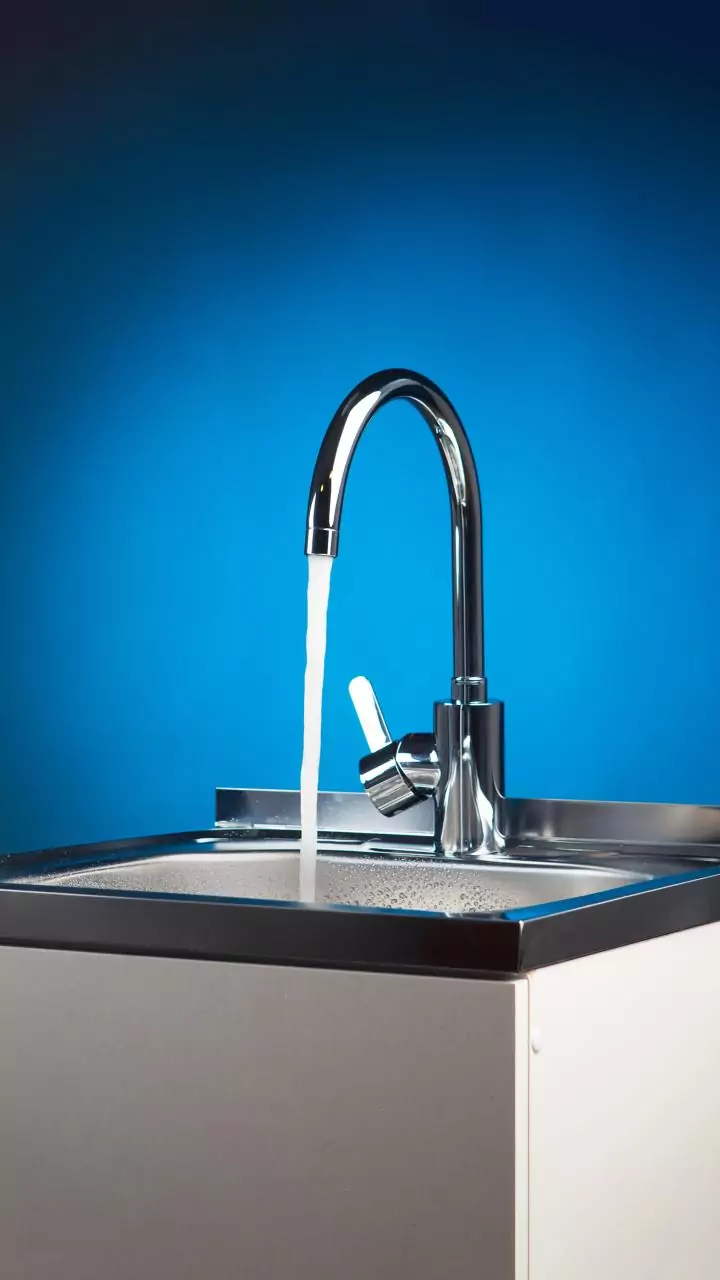
All indoor wastewater is carried through the sewer system. Everything flushed down the toilet or drained from the kitchen sink, bathtub, or shower connects to the same pipes within our home.
From there, the water flows into the municipal sewer — the large pipes running beneath backyards or streets — and eventually flows to a wastewater treatment plant. Wastewater treatment plants have large aerated tanks full of bacteria that decompose the organic matter in wastewater.
“Chemical oxygen demand” measures how much oxygen is needed to break down organic matter. Every bit of additional matter – from passata to tuna oil – adds to the load. And a higher organic load requires greater aeration and larger tanks, thereby increasing the cost and complexity of operating a wastewater treatment plant.
Spilt milk
-----------
Should you pour milk down the sink? Liquid dairy products, or any food item containing fat, oil and grease, including cooking oil, can block sewer pipes. When oil and grease mix with cool water in wastewater pipes, they harden. Then, they can combine with other waste, such as wet wipes, to form a rock-hard blockage known as a “fatberg”.
Cleaning such blockages is very expensive. For example, in the nine months up to July 2025, Sydney Water spent AUD 12 million dealing with 11,805 “chokes” in the wastewater system.
Clogged sewers are not just a foul nuisance for the water industry — they are a problem that affects us all. They can trigger the release of raw and untreated sewage into the environment.
Sydney Water suggests people add water to old milk and pour it in moderation on plants, rather than into the sink. Alternatively, milk can be left in its container and put in your rubbish bin.
What about the old and expired sauces, dips and gravy, which often lurk in the fridge at this time of year? These can be composted or runny sauces can be soaked up with newspaper or paper towels and put in the rubbish bin.
Chemicals like bleach or paint
----------------------------------
If a cleaning liquid such as bleach is approved to be sold in Australia, use it at the concentration specified on the container. But do not tip concentrated cleaning liquids into the sink.
Pouring your remaining paint or paint-brush cleaning water into sink is not a good idea. You risk potentially clogging the plumbing system – exposing yourselves to heavy fumes – and pouring flammable liquids down the drain.
We need an alternative. You could use a disposable brush, or – if the paint job lasts multiple days – wrap the brush in plastic and only clean when done with painting. You can soak the small amount of brush water into an old towel and dispose of that in the rubbish bin once the paint has dried.
However, the best way to get rid of potentially hazardous household chemicals such as paint, cleaners, pesticides, motor oil, or cooking oil, is to take them to a Household Chemical Cleanout event. These events are free services held in some states and territories specified dates.
And there are industries that have funded their own collection schemes, for example, “paintback” drop off centres. Commercial and industrial entities will need proper recycling and treatment processes in place.
Collective problem
----------------------
We should not put anything down the sink that we would not want in our waterways. Instead of using sinks as disposal points, households should adopt safer alternatives such as composting food waste and taking hazardous substances to approved chemical cleanout events.
The problem is not what one individual does, but what everyone in a city contributes together. Small individual actions, when combined across a city, make a significant difference in protecting plumbing infrastructure, public health, and our creeks and oceans. (The Conversation) GRS
GRS