
New Delhi, Jan 14 (PTI) Stress, ageing, cancer. There are still no magic solutions but one factor linking all three holds out hope. And that, says Nobel Laureate Jack Szostak, is the telomere, which lies
at the end of chromosomes that contain genes.
There is still a lot that is not known. But some things are. Like long-term stress can shorten telomeres, thereby increasing cell death and contributing towards ageing, the world renowned scientist said.
“While there haven't been any magic solutions to the problems of ageing or cancer, we now recognise that the control of telomeres is an important part of both processes," Szostak told PTI in an interview.
The telomere lessons of today were made possible by the Nobel Prize-winning discovery that telomeres protect chromosomes, he said.
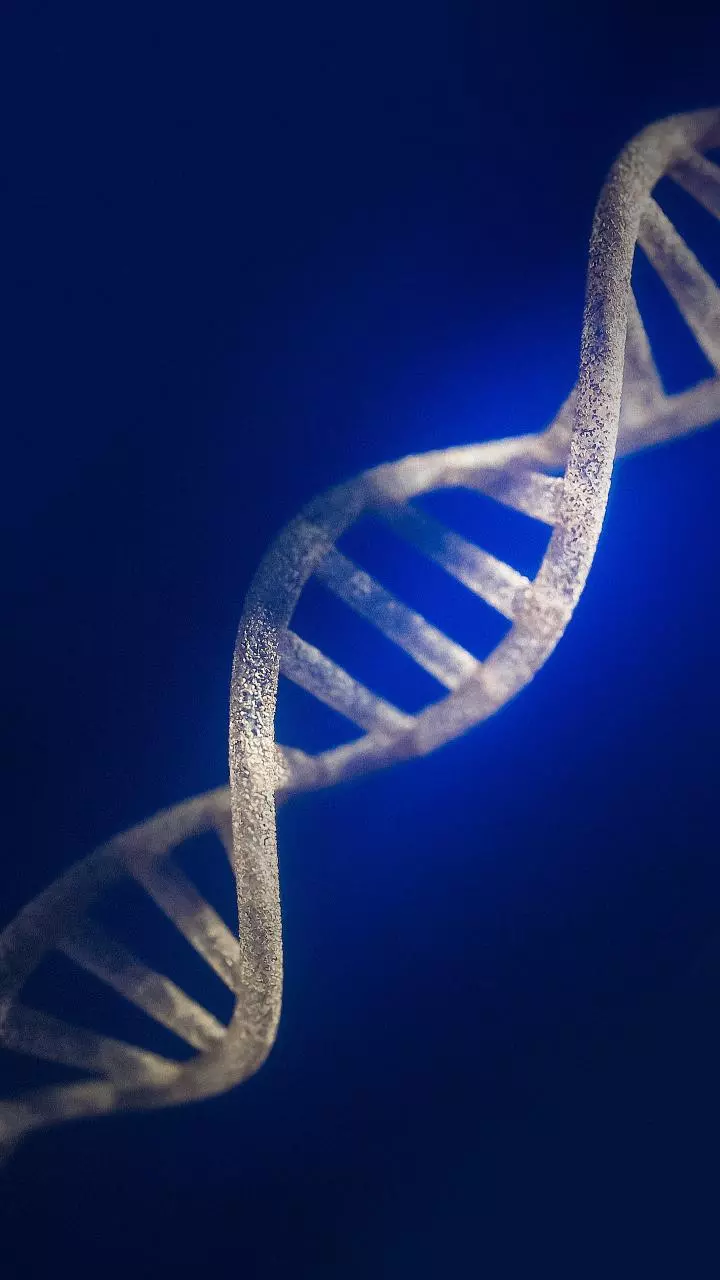
"Telomeres are special (genetic) sequences found at the ends of chromosomes, which are very long DNA molecules. Telomeres are wrapped up with a whole bunch of proteins, and they play an important role in keeping chromosomes intact. It turns out they also are important for things like cancer and ageing."
Szostak was part of a team, including Elizabeth Blackburn from the University of California and Carol Greider from Johns Hopkins University, that was awarded the Nobel Prize in Physiology or Medicine in 2009 for the discovery.
He is professor of chemistry at the University of Chicago and advisor to the Trivedi School of Biosciences at Ashoka University in Sonepat, Haryana.
"How telomeres are regulated is very complicated and not that well understood, but factors such as a lot of stress apparently have effects on telomeres, which leads to them getting shorter with time. As a result, stem cells are unable to divide and tissues are unable to repair and regenerate. And so, shortening of telomeres might be a contributing factor to some of the problems of ageing," the 73-year-old said during a recent visit to India.
Szostak has been active in studying origins of life for about 25 years, looking at how life got started on the early earth. Research focussed on understanding the nature of first cells, called 'protocells', to arise on the early Earth, among other topics.
"There are so many different things happening as a cell divides and differentiates into different kinds of cells, tissues and organs. A lot of the understanding of these processes will come from knowledge of the sequence of the genome," Szostak explained.
Country-wide genomics projects which analyse human genomes of a population on a large scale are underway around the world. The Genome India Project is one such initiative aimed at putting forth a genetic database representative of Indians among other objectives.
"(Sequencing) the whole human genome at a population level gives us a huge amount of information about the genetic causes, resistance and susceptibility to different diseases. It also gives us a huge amount of information about the migration of populations of people over time. So, it tells us about the history of humanity in that way," Szostak said.
The Genome India Project is a genetic tool that can help understand the history of how the population emerged or evolved over time, he added.
This will have a direct bearing on the health profile of Indians, among the ethnicities in the world said to be genetically predisposed to diseases, including chronic non-communicable ones such as diabetes and hypertension.
Asked if there's anything that can be done about the genetic tendencies for disease, Szostak said, "There's no easy or a desirable way to manipulate genetics of a population. The hope is that an understanding of how all these diseases emerge from the interaction of genetics with the environment will teach us about how to minimise and avoid them, and even treat them."
While there may be genetic aspects that increase susceptibility to disease, "there's also a susceptibility based on the environment -- which includes the way people eat, the way they exercise or don't. It's things like that", the geneticist said.
"And if we understand that, we can advise people on how to live a healthier life, and we can also develop therapies for when problems arise."
The scientist also spoke at length on how his pioneering work started.
It was the summer of 1980. He met Blackburn at a meeting and the two got talking about issues such as DNA and RNA.
Blackburn was researching telomeres in tetrahymena -- a single-celled organism common to freshwater environment such as ponds and lakes -- while Szostak was working on yeast genetics at the time.
In a 1984 letter, published in the journal Nature, Szostak and Blackburn hypothesised that there might be an enzyme -- now called telomerase -- that adds DNA sequences to telomeres, thereby making them longer and counteracting the shortening that happens during cell division.
Cell division -- a parent cell splitting into two or more daughter cells -- was known to be crucial for growth, repair and reproduction, and involve a duplication of the genetic material, including chromosomes and telomeres.
Telomeres were theoretically predicted in the early 1970s to shorten with each cell division, experimental evidence for which was provided in late 1980s and directly linked to cell ageing.
Blackburn and her graduate student Greider found the first evidence of activity of the hypothetical enzyme on Christmas Day in 1984.
"There's been so much work on telomeres ever since our discovery. A lot has focused on the enzyme telomerase that adds extra DNA to telomeres, but also on the reasons for why telomeres get shorter over time, and it's become a really active area of work," Szostak said. PTI KRS MIN
MIN