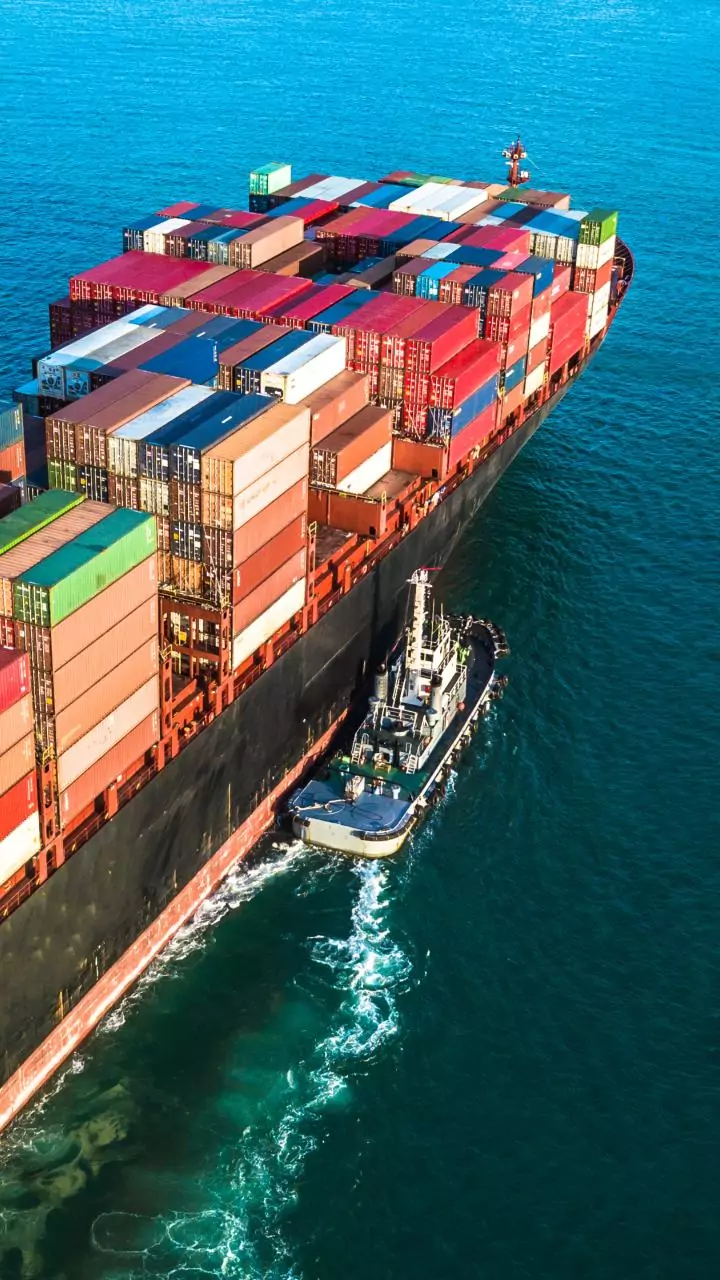

New Delhi, Dec 17 (PTI) The free trade pact between India and Oman, slated to be signed on Thursday, will provide greater market access to domestic products such as petroleum, machinery, rice, iron and steel
articles, think tank GTRI said.
Currently, over 80 per cent of Indian goods enter Oman at an average tariff of around 5 per cent, but duties range widely from zero to as high as 100 per cent on select products such as certain meats, alcohol and tobacco, it said.
"Tariff elimination under the CEPA (comprehensive economic partnership agreement) is expected to improve competitiveness for Indian industrial exports, though sustained growth will depend on quality upgrades and product differentiation in Oman’s relatively small market," Global Trade Research Initiative (GTRI) Founder Ajay Srivastava said.
He said for India, the main gains lie in merchandise exports.
India’s exports to Oman stood at USD 4.1 billion in FY’2025, led by naphtha (USD 747.6 million) and petrol (USD 561 million), alongside calcined alumina (USD 313 million), machinery (USD 231 million), aircraft (USD 165 million), rice (USD 182 million), iron and steel articles (USD 120 million), beauty and personal care products (USD 128.6 million) and ceramic products (USD 79.9 million).
India is also expected to seek streamlined approval pathways for pharmaceutical products already cleared by regulators such as the US FDA, the UK’s MHRA and the European Medicines Agency, similar to provisions included in its UAE agreement, he said.
Oman, in turn, stands to gain from improved access to the Indian market for energy and industrial inputs, he said.
According to the GTRI, India imported USD 6.6 billion worth of goods from Oman in FY’2025, dominated by crude oil (USD 1.1 billion), liquefied natural gas (USD 1.1 billion) and fertilisers (USD 1.1 billion).
"Chemical inputs such as methyl alcohol (USD 435 million) and anhydrous ammonia (USD 382.4 million), along with petroleum coke (USD 315 million), are critical for India’s agriculture, chemicals, cement and power sectors,” he said adding most of these items already enjoy low tariffs under India’s other trade pacts, suggesting the CEPA will reinforce existing supply chains rather than radically reshape trade flows.
Despite its promise, he said, the pact has clear limitations. Oman’s population of about five million and GDP of roughly USD 115 billion constrain the scale of long-term trade expansion, especially when compared with India’s USD 4 trillion economy and 1.4 billion consumers.
“With more than 6,000 India–Oman joint ventures and Indian investments exceeding USD 7.5 billion, particularly in Oman’s Sohar and Salalah free zones, the CEPA is as much about geopolitics and regional presence as it is about tariffs. For India, it represents another step in cementing its economic footprint in the Middle East,” Srivastava said.
The agreement aims to substantially reduce or eliminate tariffs on a wide range of goods, liberalise services trade and facilitate investment flows. Bilateral trade between the two countries stood at about USD 10.5 billion in 2024–25. PTI RR MR