


Chennai, Jan 14 (PTI) In a significant development in the failed PSLV-C62 mission, the re-entry capsule KID, carried by the ISRO's rocket "survived and transmitted data," the Spanish start up, Orbital
Paradigm, that developed the payload has claimed.
However, ISRO did not comment or confirm the company's claim, which was shared in its official account in 'X' on January 13.
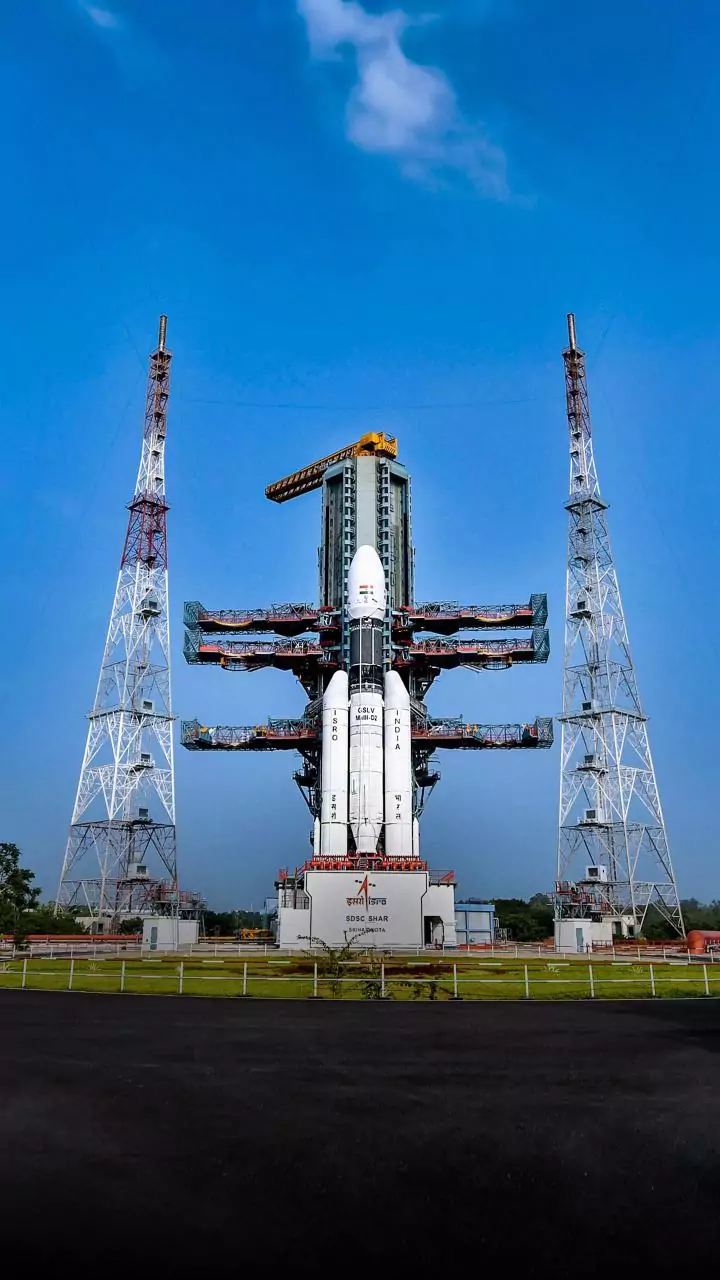
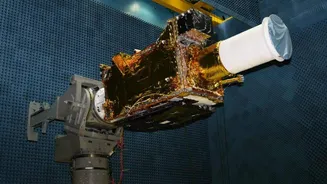
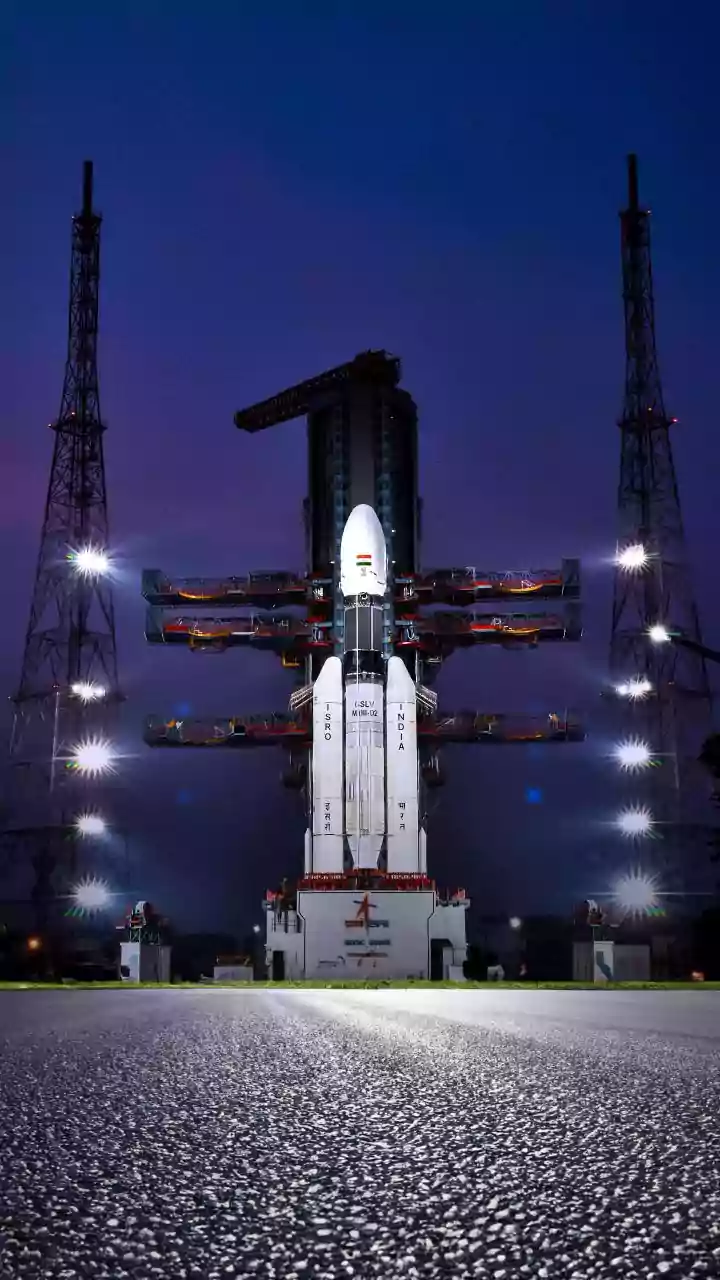
The Kestrel Initial Technology Demonstrator (KID), weighing 25 kg, was one of the 16 satellites that were onboard PSLV-C62/EOS-N1 mission which suffered a failure on January 12 as the rocket could not reach the intended orbit due to "disturbances in the third stage leading to deviation in the flight path", as claimed by ISRO Chairman V Narayanan.
"Our KID capsule, against all odds, separated from PSLV-C62, switched on and transmitted data," Orbital Paradigm said.
The mission was intended to deploy 15 satellites from the launch vehicle (PSLV-C62) at an altitude of 512 km in the Sun Synchronous Orbit, and the KID capsule was supposed to be the last passenger (16th payload) to get separated from the rocket at a lower altitude of 504 km. Later on, the fourth stage of the rocket (PS4) and the KID Capsule were scheduled to re-enter the earth's atmosphere and make a splashdown in the South Pacific Ocean.
As the PSLV-C62 mission suffered a failure with all other satellites getting lost in space, the KID Capsule alone survived, got separated from the PSLV-C62 rocket, 'switched on and transmitted data.' "We are reconstructing trajectory," the Spanish start up said in its notification.
According to the company's website, Orbital Paradigm is engaged in building the most frequent and efficient reusable logistic, cargo and space return vehicle. PTI VIJ VIJ ADB