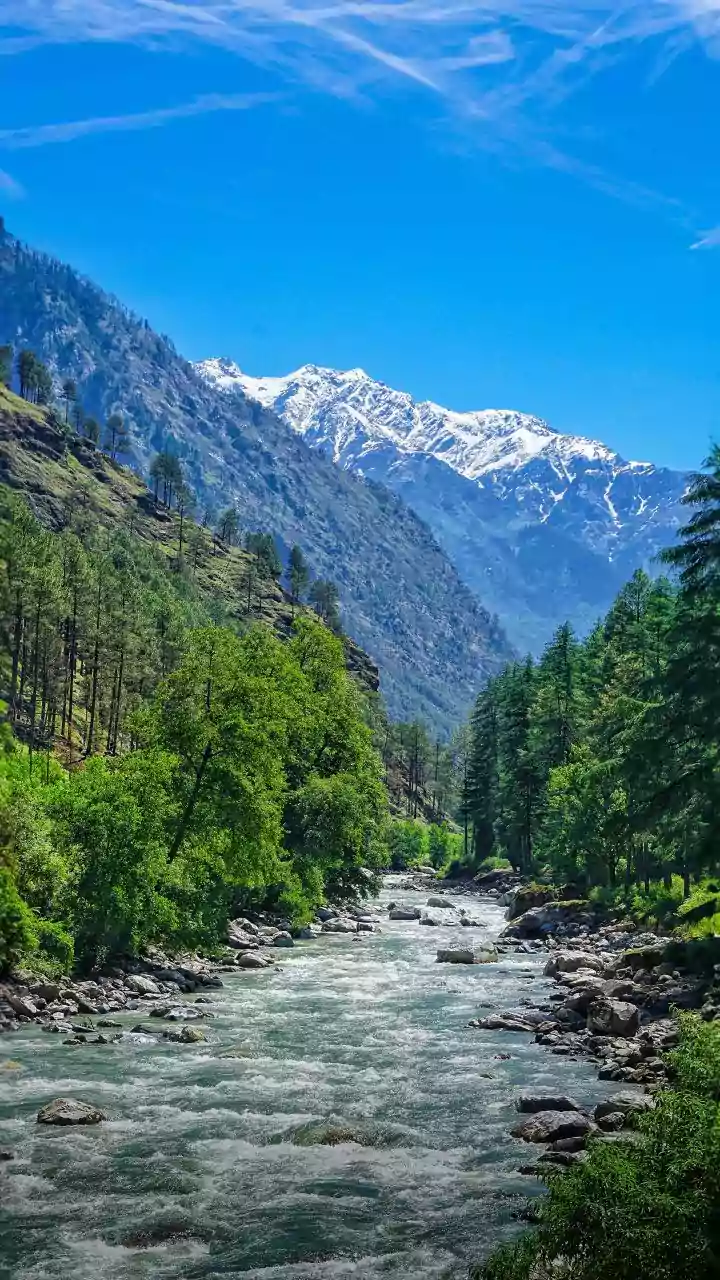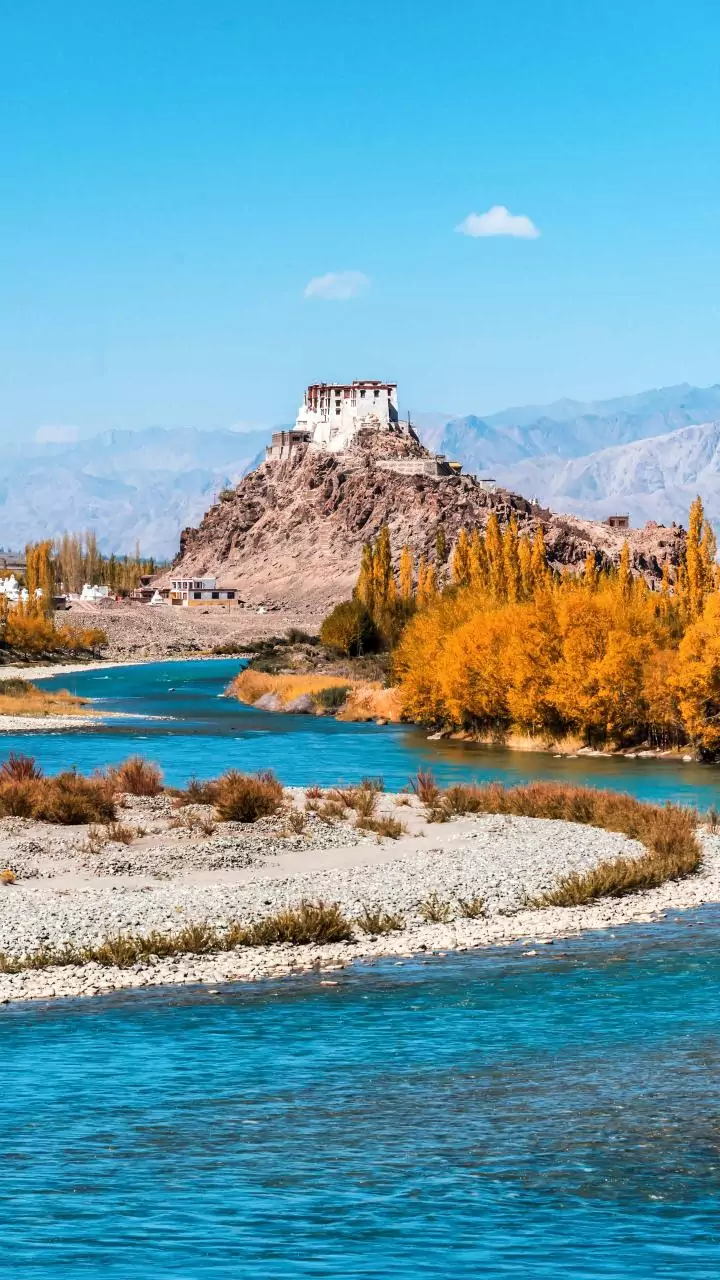








Leh, Apr 5 (PTI) Ahead of the tourism season, stakeholders from Ladakh’s tourism sector and civil society groups have adopted a resolution voicing concern over the increasing entry of outside investors
and seeking to safeguard the region’s fragile ecosystem.
The resolution, adopted at a joint meeting of the Ladakh Travel Trade Alliance and civil society groups here on Saturday, emphasised that the tourism sector should remain primarily reserved for local stakeholders to ensure ownership and decision-making remain within the community.
It was signed by representatives of over a dozen groups, including the Ladakh Travel Trade Alliance, All Ladakh Adventure and Tour Operators Association, All Ladakh Hotel and Guest House Association, Ladakh Taxi Cooperative Society, Maxi Cab Operators Cooperative Society and Ladakh Bike Rental Cooperative Society.
It was also endorsed by civil society groups such as the Ladakh Buddhist Association, Ladakh Gonpa Association, Anjuman-e-Moin-ul-Islam, Anjuman Imamia, Christian Association Leh and the Goba Association.
The Ladakh unit of the Indian National Congress also backed the two-page resolution, which called for preserving the region as a unique and sensitive tourist destination, with development aligned with its ecological limits and cultural heritage.
The resolution said Ladakh lies deep in the Indian Himalayas and for centuries remained geographically isolated, connected only by high mountain passes.
“As a cold desert with limited natural resources, Ladakh represents an extremely fragile ecosystem, marked by harsh winters and a short working season, remaining cut off from the rest of the country for several months each year.
“Since the opening of Ladakh to tourism in 1974, the region has witnessed significant growth in visitor numbers, transforming tourism into the backbone of the local economy. Today, tourism contributes substantially to Ladakh's economic development and serves as the primary source of livelihood and employment for a majority of its people,” the resolution reads.
Over the past decades, it said the local population, despite challenging environmental and logistical constraints, has built a resilient and thriving tourism ecosystem comprising hotels, guest houses, transport services, adventure tourism, and allied sectors.
“This growth has been organic, community-driven, and deeply interlinked with the cultural and ecological fabric of the region. However, in recent years, there has been increasing pressure from large external businesses and vested interests seeking to enter and dominate the tourism sector in Ladakh,” the resolution said.
It said such developments pose a serious threat not only to the fragile environment but also to the limited economic opportunities available to the local population, particularly the indigenous tribal communities.
“The unregulated external investment risks displacing local stakeholders, eroding traditional livelihoods, and destabilising the socio-economic balance of the region,” it said.
The resolution said the meeting unanimously resolved to act in solidarity to safeguard Ladakh's unique identity, protect its fragile ecosystem, and preserve the rights and livelihoods of its people.
“The livelihoods, entrepreneurial opportunities, and economic interests of the local population shall be protected and prioritised through policy advocacy, community-led initiatives, and responsible tourism practices,” the meeting resolved.
The resolution said the tourism sector shall remain primarily reserved for local stakeholders, with policies aimed at protecting local ownership, livelihoods, and decision-making.
“External investment shall be restricted to ensure that it does not dilute or bypass local participation. Any concerns regarding the impact of external investments-whether direct, indirect, declared, or otherwise; shall be addressed through lawful means, dialogue, and coordinated representation by local communities, trade bodies, and associations,” it said.
The meeting also resolved that the sakeholders shall work collaboratively to promote responsible tourism practices and engage, in accordance with applicable laws, with individuals and entities whose activities align with the long-term interests of Ladakh’s environment, economy, and people. PTI TAS TAS DV
DV