
New Delhi, Jan 29 (PTI) Raising concerns on the growing consumption of ultra-processed foods containing high fat, salt and sugar amid India becoming one of the fastest growing markets for such items in the world,
the Economic Survey has pitched for a ban on their advertisements from morning to late night.
The pre-Budget document tabled in the Lok Sabha on Thursday also suggested restrictions on the marketing of infant and toddler milk and beverages, while flagging growing obesity among children.
"More troubling still, the prevalence of excess weight among children under five has risen from 2.1 per cent in 2015-16 to 3.4 per cent in 2019-21," it said.
According to estimates, over 3.3 crore children in India were obese in 2020, and it is projected to reach 8.3 crore children by 2035.
The 2019-21 National Family Health Survey (NFHS) reports that 24 per cent of Indian women and 23 per cent of Indian men are overweight or obese," it added.
Among women aged 15-49 years, 6.4 per cent are obese, and among men, 4.0 per cent are overweight, the survey said.
Suggesting measures to address the challenge of ultra-processed foods (UPF), it called for a "front-of-pack nutrition labelling" of high-fat, sugar and salt (HFSS) food with a warning, restricting marketing to children, and ensuring that trade agreements do not undermine public health policy.
Stating that improving diets cannot depend solely on consumer behaviour change, the survey said it will require coordinated policies across food systems that regulate UPF production, promote healthier and more sustainable diets and marketing.
"The option of a marketing ban on UPFs from 0600 hours to 2300 hours for all media, and enforcing restrictions on the marketing of infant and toddler milk and beverages, could be explored," according to the survey.
Besides traditional media, it has also recommended UPF marketing restrictions to be mandatory and include digital media.
It cited examples of Chile, which has integrated laws, along with Norway and the UK, where advertisement restrictions are in place for UPFs.
"Recently, the UK has banned junk food advertising before 9 pm on TV and online to reduce children's exposure and curb childhood obesity. Further action on other marketing activities, including school and college sponsorship of events by UPF manufacturers, can be designed," it said.
According to the survey, Rule 7 of the Advertisement Code prohibits misleading, unverified, or unhealthy advertisements; it does not define "misleading" with measurable or nutrient-based criteria, leaving interpretation subjective and inconsistent.
Similarly, the Central Consumer Protection Authority (CCPA) Guidelines for Prevention of Misleading Advertisements (2022) mandate that advertisements must not exaggerate health benefits or exploit children.
"...yet they lack clear nutrient thresholds or a framework for identifying misleading claims in food marketing," it said, adding that "this regulatory ambiguity allows companies marketing UPFs to continue making vague 'health', 'energy', or 'nutrition' cues without violating any clearly defined standard, highlighting a critical policy gap that needs reform".
The survey expressed concern that India is one of the fastest-growing markets for UPF sales, which is contributing to chronic diseases worldwide and widening health inequalities.
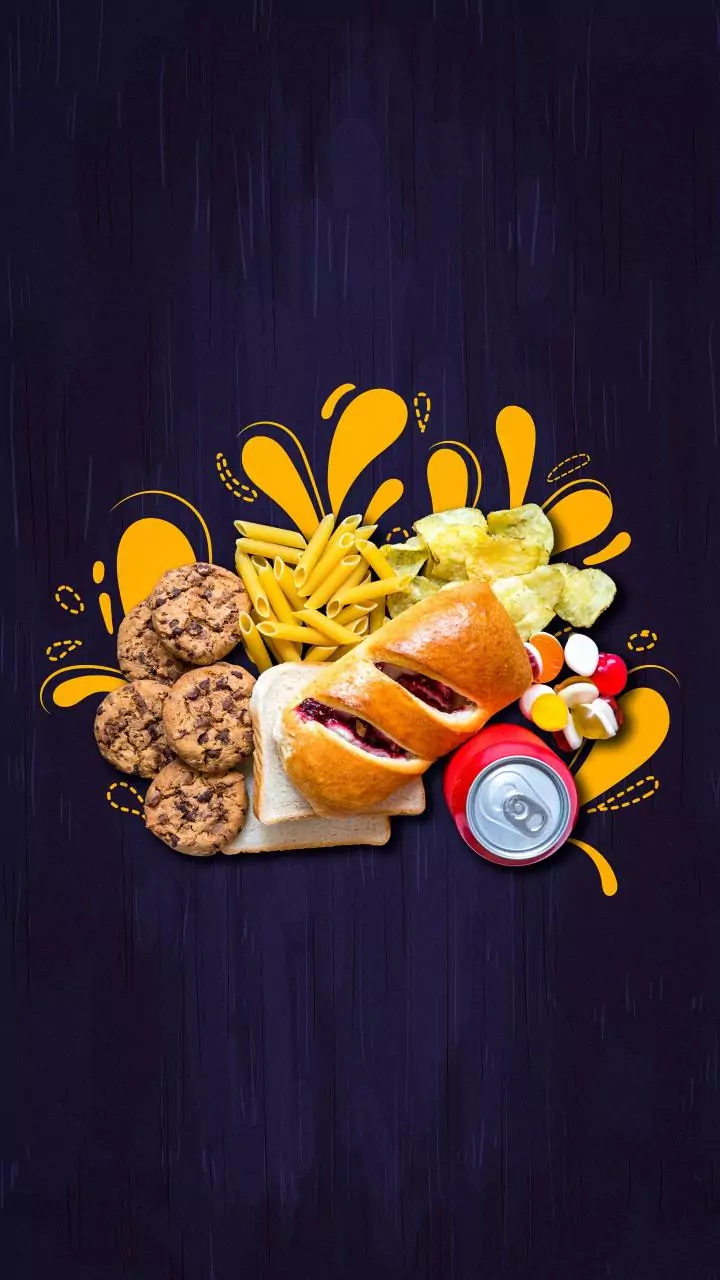
It also suggested a "multi-pronged approach" for tackling the increase of human intake of UPF -- popularly known as junk foods -- which includes burgers, noodles, pizza, soft drinks, etc., and said it is contributing to chronic diseases worldwide and widening health inequalities.
Sales of UPFs in India grew more than 150 per cent between 2009 and 2023. Retail sales of UPFs in India surged from USD 0.9 billion in 2006 to nearly USD 38 billion in 2019, a 40-fold rise. "It is during the same period that obesity has nearly doubled in both men and women", the survey said. PTI KRH RKL KRH BAL
BAL