



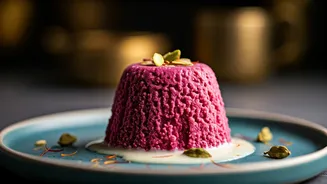
Paan has always been more than just something you have after a meal. It is tied to habit, memory, and a certain everyday rhythm across Indian cities. For years, it stayed simple and consistent, built around
familiar flavours and a format that did not really change. That, however, is beginning to shift.
Today, there is a greater inclination for variety and personalisation, and young people especially lean toward products that are novel and customised according to their own preferences. The shift in preferences has been a perfect match for paan, a format that is flexible by nature and easy to reinvent.
As a result, paan has expanded beyond its traditional identity. In addition to its regular varieties, there is also an array of sweet forms, savoury variations, and even dramatic and smoky options that seem more than just flavours. It is essentially recognisable yet modified according to a time when people want versions of it that match different moods and moments.
Sweet & savoury
The sweet paan is the easiest to go for. Gulkand, fennel seeds, and coconut, sometimes a little syrup, which adds to the sweetness but gives a bit of stickiness. It is straightforward and traditional, usually recommended to those who aren’t sure what to choose. This paan suits almost any occasion, and works well at weddings, dinners with family or on a last-minute run at the local paan shop while driving late into the night. The savoury version sits in a completely different space. It is more powerful and intense. The areca nut, the lime, and the added spices leave a lingering taste in the mouth. The initial experience can be very strong if one is unaccustomed to it.
Experiential variations