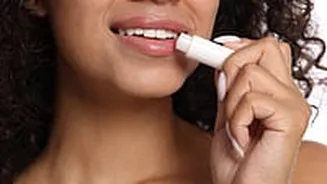




By now, you’ve probably seen them everywhere – pH-changing lip products have become the kind of phenomenon in the beauty world. They’re marketed as a magical in-between: not quite makeup, not quite skincare,
but a personalised tint that promises to deliver the perfect shade. But beneath this glossy narrative lies a truth the beauty industry hasn’t exactly been eager to spotlight: for most people, these products create the same bright bubblegum pink, regardless of skin tone, undertone, or chemistry.
“Honestly, the biggest misconception is that these pH-changing colours shift according to your mood. That’s not science, that’s a marketing gimmick to sell products. Your lips aren’t mood rings,” rightfully says Arshia Kaur Vijan, a cosmetic scientist and also the founder of beauty brand, Tint Cosmetics.
But here’s the inside joke in the cosmetics industry: the trick isn’t your chemistry. It’s theirs. These products are not reacting to your unique pH. “It comes down to one ingredient: Red 27 (also known as Acid Red 92). In its acidic form, this pigment is completely colourless. But the moment it hits a slightly basic environment — around pH 6 to 7, like your lips — it snaps into a bright, bubblegum-pink shade,” she reasons. “That’s why these products seem to create a personalised tint, even though the colour is usually the same for everyone.”
They typically develop into one of a handful of tones: neon pink, bright fuchsia, or a warm rose. On fairer skin tones, this often looks subtle. On deeper skin tones, however, the high-contrast pink can appear chalky, uneven, or almost fluorescent. “Most pH-reactive dyes only know how to do one thing- turn into some version of neon pink once they’re activated. So whether you’re fair, medium, or with darker skin tones, the dye just does its job and looks mostly the same. At best, you’ll see a tiny change in intensity, not a different shade,” she clarifies.
If the reaction isn’t truly personalised, why do some people end up with a brighter or deeper tint? But ask a formulator, and they’ll tell you: the dye doesn’t know you. It knows pH and moisture.
“Human skin pH usually sits between 4.7–5.5, and lips fall into the same range. That tiny difference is nowhere near enough to create dramatically different colours, especially because these dyes activate across a broad pH window. So no, your lips are just reacting to moisture,” Arshia explains. “Red 27 is also lipophilic, meaning it binds and sinks into the top layer of your skin. That’s what gives pH-changing products their signature long-lasting ‘stain’ effect — they don’t just sit on your lips, they settle in.”
The limitations of the technology show up most starkly on deeper skin tones. Makeup artist Saldanha says the problem is undertone, not depth alone. “These dyes create a cool, blue-based pink. On fair to medium skin tones with neutral or cool undertones, it blends fairly well. But on deeper or warmer skin tones, it can look stark, uneven, or even fluorescent.” Several users report patchiness, especially if the lips have natural gradient pigmentation. “There’s this assumption in beauty that pink is universal. But you cannot categorise one colour for everyone. These products ignore that reality.”