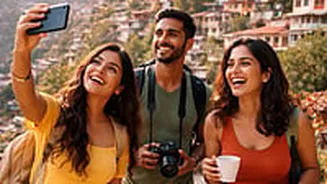

Ask a Gen Z traveller how they picked their last holiday spot, and you’re unlikely to hear about a travel agent or guidebook. The response often starts with something like, “I saw this reel.”
As India observes
National Tourism Day today, it’s clear that the way people find and choose destinations has changed significantly. For Gen Z, travel inspiration now comes from social media, not shiny brochures or billboards. This change goes beyond appearance. It reflects a deeper shift in how a whole generation views travel.
Choosing with eyes first
For this generation, destinations are chosen visually before they are chosen geographically. A place doesn’t need to be famous, it just needs to feel real. The colour of the streets, the vibe of the cafe and how locals go about their day all matter more than traditional indicators like luxury or popularity.
Instagram plays a central role here. A 30-second reel of a misty homestay morning or a chaotic local bus ride often feels more convincing than a polished tourism campaign. What Gen Z trusts most is relatability. If someone like them could enjoy the destination, it feels attainable. Planning a trip now focuses less on thorough research and more on an emotional connection.
“Instagram and YouTube are my primary travel agents. I do a deep dive into these platforms before booking relying on content creators to give me the raw, unfiltered reality of a place. From a YouTube ‘Day in the Life’ vlog to Instagram ‘Hidden Gems’ Reels, I look for authentic recommendations on everything. Whether it’s local delicacies or best sunset spots. I think social media plays a big role in planning my travel itineraries," shares Saloni Panda, 27, Travel Creator.
Experiences over checklists
Unlike previous generations, Gen Z isn’t interested in ticking landmarks off a checklist. They’re chasing moments instead. Sitting at a roadside tea stall, wandering through neighbourhood lanes, or losing track of time in a small café holds more appeal than rushing between monuments. What counts isn’t the number of places visited, but the depth of the experience in each location.
This approach has brought lesser-known destinations into spotlight, including small towns, overlooked hill stations, and cultural spots that used to be ignored in typical travel plans. Instagram not only showcases these places, it also gives them credibility. When something trends on its own, it gains legitimacy without heavy promotion.
Rise of slow & soft travel
There’s another important shift shaping Gen Z travel: the desire to slow down. Burnout culture has pushed many young travellers to seek rest, not rush. Quiet destinations, longer stays, and flexible schedules are becoming more appealing than fast-paced sightseeing.
Mental well-being now influences travel choices as much as budget or distance. Nature retreats, creative escapes, wellness-focused stays, and digital-detox locations are gaining popularity, and yes, Instagram plays a role here too.
But instead of glamorizing excess, the platform increasingly highlights stillness. Early mornings, handwritten journals, simple meals, and unhurried routines are now featured. Travel content has softened, and so have expectations.
Travel with values
This generation is also deeply aware of the impact of travel. Sustainability, ethical tourism, and respect for local communities are not side conversations they are decision-makers.
Destinations that support local livelihoods, promote eco-friendly stays, or preserve culture resonate strongly. Travellers are more likely to pick a modest homestay over a large resort if it fits their values.
Instagram has increased this awareness. Discussions about over-tourism, responsible travel, and cultural sensitivity are influencing not only where they go, but also how they travel.
"The traditional 'bucket list' of famous landmarks is giving way to niche, identity-driven trips. About half of Gen Z now prioritise travel over conventional career milestones, opting for 'why-cations' focused on self-care, culinary experiences, or beauty-focused journeys like 'glowmads.'
They also lead in AI-driven planning, with 72% confident using algorithms to create personalised itineraries, moving away from traditional travel agents toward real-time, tailored recommendations," notes Tushar S, To and Go Tours Private Limited – Travel Options India.
Inspiration that converts
A destination saved today can turn into a booked trip tomorrow. For tourism boards and brands, this is a wake-up call. The younger generation wants destinations to be sold as experiences. They want to stumble upon it, feel curious about it, and imagine themselves there. Authentic storytelling now matters more than perfect visuals.
New direction
As National Tourism Day 2026 invites the country to reflect on travel’s future, Gen Z stands at the centre of that conversation. They are not just travelling differently—they are redefining tourism itself.
For them, travel is personal, visual, value-driven, and deeply emotional. Instagram may be the medium, but the motivation runs deeper: connection, meaning, and memory that linger long after the reel ends.