







By Hemal Majithia
In the digital-first era, where attention is fleeting and competition constant, storytelling is no longer a luxury. It is a necessity. Brands that succeed today do not just advertise.
They craft immersive, engaging narratives. And increasingly, they are turning to CGI (Computer-Generated Imagery) — 3D models, animated objects, digital environments, textures and more — to do it better.
Globally, the adoption of CGI in advertising has been growing by over 30 percent annually, driven by the demand for richer, faster and more imaginative brand experiences. What was once a niche technique used by a handful of high-budget campaigns is now a mainstream creative tool embraced by agencies and marketers worldwide.
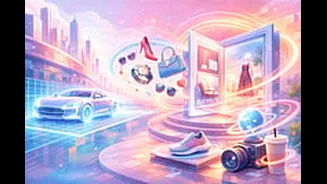
CGI allows brands to go beyond the constraints of the physical world. It lets products float, transform, even come alive, creating content that is not just seen but felt. But CGI’s real power lies not in visual trickery, but in how it supports great storytelling.
For Westside, we created seasonal campaigns using CGI to showcase fashion drops and gifting ideas through surreal digital backdrops, stylised motion, and dynamic layouts. These weren’t mere posts — they were mood boards for modern retail, generating several lakh engagements and thousands of organic shares and saves. The secret wasn’t just stunning visuals, but storytelling crafted for today’s screen-first world.
Internationally too, CGI is pushing creative boundaries. Brands like Coca-Cola, Audi, and IKEA are using it to craft interactive narratives. From holographic car projections to immersive virtual catalogs and AR-powered brand moments, CGI is now central to how global brands are shaping their consumer experience.
Many marketing agencies now see 8 to 10 percent of their total revenue coming from CGI-led campaigns. This is not just about adopting a trend. It reflects a strategic shift towards more scalable, sustainable and story-rich content formats.
What makes CGI so compelling is its ability to transcend language. It communicates through movement, emotion, rhythm and imagination. That makes it incredibly effective in a country as diverse as India, where a single compelling visual can speak across cultures, communities and geographies.
As technology evolves, CGI is no longer an add-on. It is becoming the foundation of digital storytelling. Integrated with Augmented Reality (AR), Virtual Reality (VR), and hyper-personalisation, CGI is powering experiences like virtual try-ons, real-time product customisations and immersive 3D brand environments. These are not just creative frills. They are meaningful ways to build deeper, more personalised relationships with audiences.
While CGI does require upfront investment, it often proves more cost-effective over time. It eliminates physical production costs, travel and location shoots, while enabling asset reuse across multiple platforms and campaigns.
But here is the most important truth: While CGI is just a tool, the story is always the hero.
No amount of stunning visuals can replace the need for a meaningful narrative. The most powerful campaigns are not remembered for how they looked, but for how they made us feel. When CGI is used to support a story worth telling, it elevates that story to a place where attention becomes connection and visuals become emotion.
Because in advertising, we are not just here to impress. We are here to move people. And when story and technology work in harmony, CGI delivers more than content. It delivers wonder.
(The author is Founder at OktoBuzz)