






New Delhi: Indian oil refiners are changing their crude procurement strategy amid continuing disruption around the Strait of Hormuz, seeking greater control over shipments from the Persian Gulf.
Several
refiners are now looking to hire tankers themselves to transport crude through the strategic waterway to India. The move is aimed at securing supplies while reducing additional costs charged by intermediaries.
Refiners Float Tanker Tenders
According to the report, several Indian refiners have floated tenders and opened discussions with shipping companies to arrange tankers.
Sinokor Group and Dynacom Tankers Management have secured tenders, while Shipping Corporation of India and Leela Global also submitted bids that were rejected.
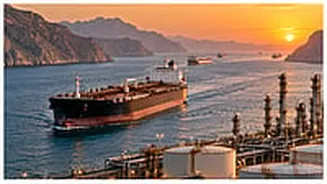
The shift comes as geopolitical tensions continue to disrupt traditional energy shipping routes. The Strait of Hormuz carried roughly one-fifth of global crude oil and LNG supplies before the current conflict.
Why Strategy Is Changing?
After the US-Iran war began, Indian companies had avoided sending their own tankers through the Strait of Hormuz because of security concerns.
Instead, refiners relied more heavily on Gulf producers and international traders to arrange deliveries. However, buying crude through such arrangements meant refiners had to bear additional charges.
Hiring tankers directly could now give Indian companies greater control over freight costs and shipping schedules.
FOB Deals Gain Importance
Reliance Industries, Bharat Petroleum Corporation, Indian Oil Corporation and HPCL-Mittal Energy have recently purchased Iraqi crude on a Free on Board, or FOB, basis.
Under FOB contracts, buyers take responsibility for arranging vessels and transporting crude after loading.
The strategy could help refiners negotiate shipping terms directly and reduce their dependence on sellers for delivery.
India has also widened its crude sourcing network to 41 countries from 27 earlier, according to Petroleum Minister Hardeep Singh Puri.
With shipping risks and freight costs remaining elevated, securing reliable crude supplies has become increasingly important for Indian refiners.