




Even as rising diesel prices continue to strain the finances of the Maharashtra State Road Transport Corporation, MSRTC, Transport Minister Pratap Sarnaik has clarified that there will be no immediate
increase in passenger fares.
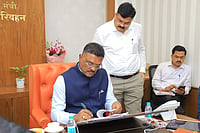
The minister shared the update on X after chairing a high level meeting at Mantralaya with senior officials of the state transport corporation. Among those present were Dr Madhav Kushekar, Vice Chairman and Managing Director of the MSRTC, along with other top officials.
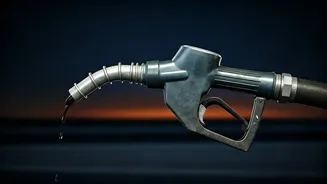
According to the minister, the corporation is facing mounting pressure due to the recent increase in diesel prices. The price of diesel supplied by Indian Oil Corporation has risen from ₹88.21 per litre last week to ₹91.31 per litre, marking an increase of ₹3.10 per litre.
Corporation Spending Over ₹33 Lakh Extra Daily
MSRTC consumes an average of 10.87 lakh litres of diesel every day to operate its extensive fleet across Maharashtra. Due to the latest fuel price increase, the corporation will now have to bear an additional daily expense of nearly ₹33.70 lakh.
Officials estimate that the added financial burden will touch almost ₹10 crore every month and approximately ₹124 crore annually.
The transport corporation is already battling severe financial stress. In April 2026 alone, the MSRTC reportedly incurred losses of nearly ₹76 crore, with fuel expenses emerging as one of the key reasons behind the deteriorating financial condition.
Fare Hike Proposal Under Consideration
Despite the worsening financial situation, the Maharashtra government has decided against an immediate fare revision in order to avoid burdening ordinary passengers who depend on ST buses for daily travel.
However, the government confirmed that a proposal related to fare revision linked to rising fuel costs will be submitted before the State Transport Authority for approval. A final decision will be taken only after discussions and clearance from the concerned authority.
The government is also exploring alternative measures such as fuel conservation, greater use of e buses, tighter cost control and improved revenue generation to reduce the financial strain on the corporation while protecting passengers from steep fare increases.