
Indore (Madhya Pradesh): Madhya Pradesh claimed the first position in India for the highest number of bird checklists submitted, according to the latest figures from the eBird platform.
The state recorded
2,257 submissions, establishing a wide lead over Karnataka, which recorded 1,300. Kerala, Tamil Nadu, and Maharashtra followed with 1,266, 1,229, and 1,193 logs respectively.
While the state dominated the participation volume, it secured the tenth position for species diversity with a total of 302 varieties. West Bengal led the diversity category with 440 species, followed by Uttarakhand and Maharashtra.
Divisional forest officer Pradeep Mishra spoke about the data following the conclusion of the Asian Waterbird Census 2026. Mishra stated that the high checklist count showed a strong culture of citizen science within the region.
Coastal advantage vs landlocked resilience
Analysis of the national data suggests that geographical factors heavily influence species variety. Southern and coastal states like Karnataka and West Bengal benefit from diverse ecological zones.
-
Flyway corridors: Coastal regions serve as primary entry points for trans-continental migrants traveling along the Central Asian Flyway.
-
Habitat variety: The presence of mangroves, salt pans, and marine ecosystems in the south attracts specialized waders and shorebirds that landlocked Madhya Pradesh lacks.
-
Topographic gradients: The Western Ghats provide altitudinal variations that support high endemism, contributing to Karnataka's count of 369 species.
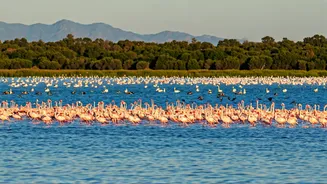
Mishra noted that Madhya Pradesh's strength lies in its "Central Highland" ecology. He mentioned that the state s interconnected freshwater wetlands and deciduous forests provide critical refuge for inland specialists and wintering ducks.
Wetland audit reveals urban-rural divide
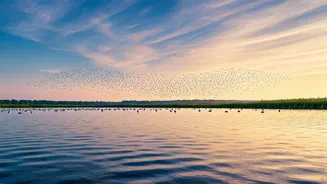
The Asian Waterbird Census 2026, conducted across 19 water bodies in Indore, highlighted the state of local habitats. Teams surveyed sites ranging from Sirpur Lake to rural dams like Choral and Nakheri.
-
Resilient rural sites: Rural and forest-edge wetlands showed stable bird populations, with species like the Asian Openbill and Woolly-necked Stork recorded in healthy numbers.
-
Stressed urban hubs: Premier sites like Sirpur Lake showed signs of ecological stress, including reduced open water and heavy growth of invasive aquatic plants.
"Smaller, well-maintained ponds can support rich diversity, whereas larger urban lakes are struggling with human pressure," Mishra said.
Strategic roadmap for conservation
Mishra added that involving the local community in bird surveys has been the high point in spreading conservation awareness.