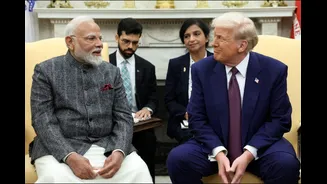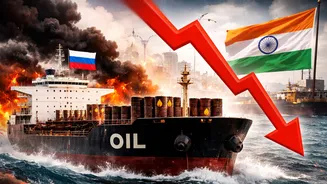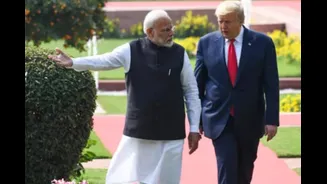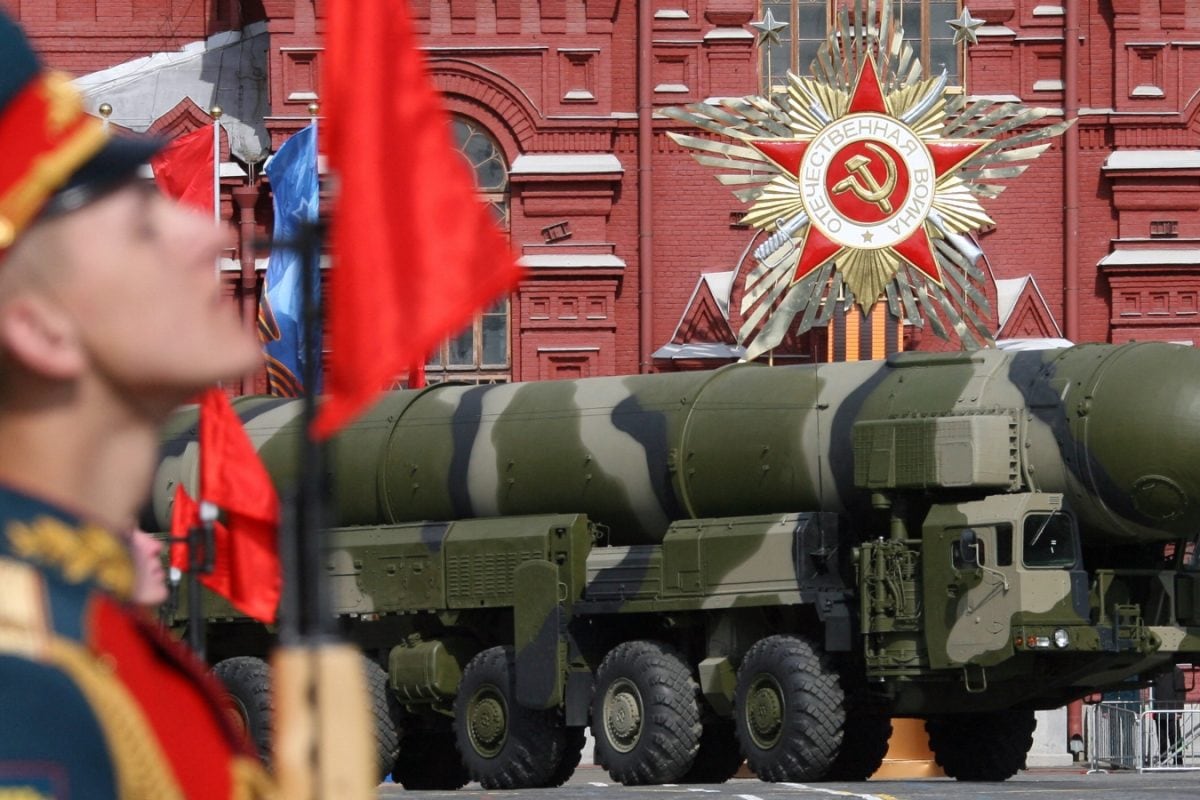






With clear signs of emerging thaw between India and the United States, US President Donald Trump’s announced on February 2, 2026 that Prime Minister Narendra Modi had agreed to a total halt of Russian
oil imports.
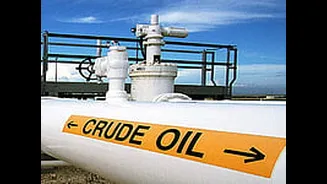
This claim, made shortly after a major trade deal reduced US tariffs on Indian goods to 18%, has been framed by Washington as a decisive blow to Moscow’s revenue. However, the reality of India’s energy security and industrial requirements makes an "overnight" exit from Russian crude an impossibility.
Why current contracts slow the exit
The most immediate barrier to a sudden cessation of trade is the existing supply chain.
According to a report in The Economic Times, Indian companies have already finalised cargo bookings for February 2026 that are not scheduled for delivery until March. These transactions are bound by legal and financial commitments that cannot be unravelled without massive penalties.
A significant "wind-down period" is necessary to fulfill these existing obligations. This logistical lag ensures that Russian oil will continue to flow into Indian ports for several months, regardless of the political rhetoric in Washington.
Gap in infrastructure and industrial strain
A deeper hurdle lies in the technical and industrial calibration of the Indian economy.
The Wall Street Journal highlights the domestic strain caused by shifting trade policies noting that high tariffs on foreign steel, which doubled to 50% this year, have forced US companies like Insteel to struggle with domestic supply shortages.
Just as manufacturers have had to turn to "tariffed imports from Algeria, India and elsewhere" to maintain infrastructure projects like the Gordie Howe Bridge, Indian refineries are structurally dependent on specific crude grades.
Indian refineries are specifically optimised to process "medium-sour" Russian grades. Switching to American "light-sweet" crude is not a simple adjustment, it requires complex blending.
As Bloomberg points out, while major refiners are capable of diversification, Russian oil has become a "mainstay" for India’s refiners.
Economic risks and inflationary buffers
Energy security for India is intrinsically linked to domestic economic stability. India imports roughly 90% of its oil and Russian discounts have been a critical hedge against global price volatility.
While President Trump posted on Truth Social that Modi agreed to "buy much more" from the US and "potentially Venezuela" to help end the war in Ukraine, the Ministry of External Affairs remains cautious.
India’s sourcing of nearly 35% of its oil from Russia is a policy designed to "safeguard the interests of the Indian consumer in a volatile energy scenario."
Diplomacy and trade realities
While President Trump has presented the trade deal as a definitive agreement to "Buy American," New Delhi’s response has been noticeably more measured.
Prime Minister Modi’s official statements on X focused entirely on the reduction of tariffs to 18% for "1.4 billion people of India," notably omitting any mention of a total ban on Russian oil.
Analysts from the Financial Times argue that New Delhi is unlikely to entirely eliminate its ties with Moscow, given their long-standing relationship.
The British business daily also highlights scepticism over Trump’s trade targets noting that India's goods trade with the US was only $41.5 billion last year, making a jump to $500 billion highly unlikely.
Furthermore, India’s earlier refusal to reduce agricultural tariffs to zero suggests that any transition away from Russia will be slow, calculated and strictly on India's own terms.