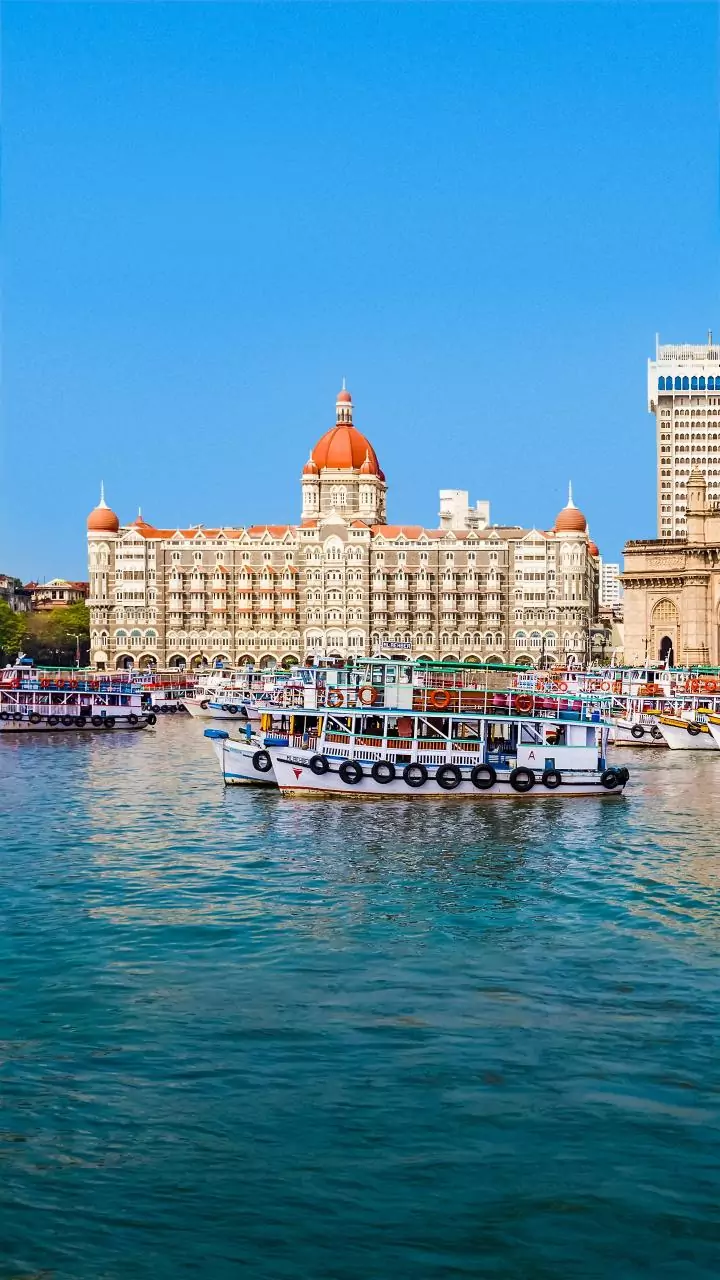









Mumbai: As Mumbai heads toward the long-awaited Brihanmumbai Municipal Corporation (BMC) elections on January 15, the city stands as a starkly different landscape compared to the last time citizens went
to the polls. Over the past few years, the financial capital has shed its image of perpetual gridlock, emerging as a laboratory for world-class infrastructure.
From the shimmering arches of the Atal Setu to the underground hum of the Aqua Line, the very geography of Mumbai has been rewritten.
The Skyline Shift: Mega Projects Redefining Travel
The most visible change is the completion of the 'Golden Trio' of infrastructure that has finally bridged the gap between Mumbai’s isolated islands.
The Atal Setu (MTHL): Inaugurated in 2024, the country’s longest sea bridge has turned the grueling two-hour trek from Sewri to Navi Mumbai into a 20-minute breeze. This bridge didn't just move cars; it shifted the city’s economic center of gravity toward the east.
The Mumbai Coastal Road: The BMC’s flagship project has fundamentally altered the Western seafront. With the sea bridge operational, the iconic Marine Drive now connects seamlessly to the Bandra-Worli Sea Link via undersea tunnels. For the first time, South Mumbai feels 'connected' rather than 'bottlenecked.'
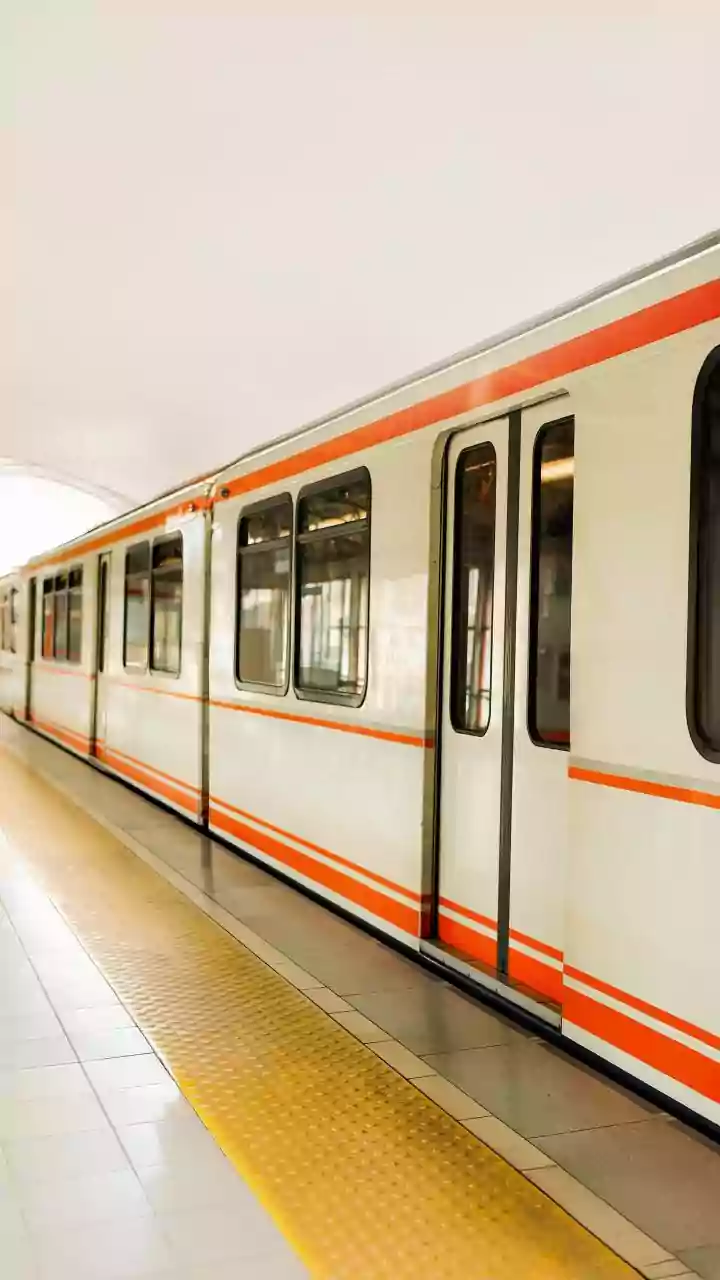
The Metro Revolution: 2025 was the 'Year of the Metro.' The full commissioning of Metro Line 3 (Aqua Line) has moved thousands of daily commuters off the overburdened local trains and into air-conditioned underground comfort, linking Colaba to SEEPZ for the first time.
Urban Aesthetics & Civic Face-Lifts
Beyond the steel and concrete of bridges, the BMC spent the last two years on a massive City Beautification Project. Several sites across multiple wards in the city have seen upgrades.
From illuminated flyovers and theme-based murals to the 5.25 km seaside promenade at Worli, the maximum city is looking more polished. Even the suburban wards like P-South (Goregaon) have seen a push for 'hawker-free' zones and the restoration of local water bodies like the Oshiwara river, though environmentalists argue there is still a long way to go.
The Economic Ripple Effect
This infrastructure blitz has triggered a real estate gold rush. Nodes like Ulwe and Panvel are no longer considered 'outskirts,' thanks to the newly operational Navi Mumbai International Airport (NMIA), which saw its first commercial flights just weeks ago in December 2025. Property values in these growth tiers have surged by over 20 per cent, as the 'One Mumbai-Navi Mumbai' vision becomes a reality.
What’s Next: The 2026 Mandate
As the Model Code of Conduct holds the city in its grip, the focus is now on the 'Missing Links.' While the mega-projects are largely complete, the next administration faces the last-mile challenge.
Goregaon-Mulund Link Road (GMLR): With the Phase 1 expected to open by May 2026, this will be the final piece of the east-west connectivity puzzle.
Climate Resilience: With rising sea levels, the next BMC house will be judged on its ability to manage the city's aging drainage system alongside its shiny new tunnels.
The 24/7 City: There is growing pressure to utilise this new infrastructure to boost Mumbai’s night economy, turning it into a truly global metropolis.
To get details on exclusive and budget-friendly property deals in Mumbai & surrounding regions, do visit: https://budgetproperties.in/