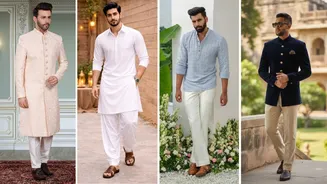







India, a country with varied cultures, is a place where major parts of the heritage reflect through the textile in which handwoven fabrics and embroidery patterns are the most notable elements. Indian
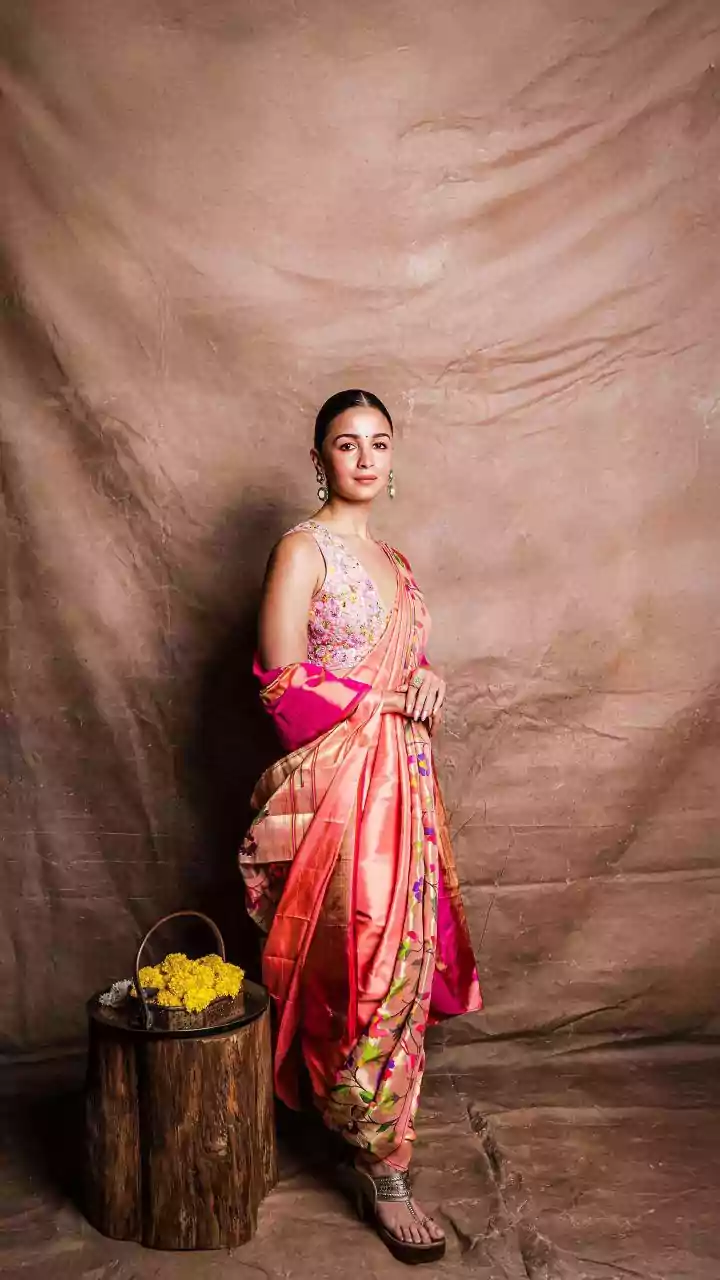
clothing is not only a symbol of tradition and identity but also a medium that tells different stories. The first thing that probably comes to one's mind when thinking of Indian attire is sarees and kurtis, which are the most popular and extensively used garments. They are not just pieces of history, art, and daily fashion but also a limited number of clothing styles that you can check out.
In this article we talk about the heritage of textiles that add to the uniqueness of sarees and kurtis, and understanding the reasons why they have remained the favourite garments for Indian women over the years.
The Legacy of Indian Textiles
Indian textiles date back several millennia. Silk and cotton with other fabrics had been exported from India through the ancient trade route, which caused Indian fabrics to be greatly appreciated for their superb qualities and excellent workmanship. Different parts of today's India developed their own unique styles of weaving, dyeing, and embroidery that were influenced by surrounding communities, climatic conditions, and the availability of materials.
Handmade handloom fabrics, dying with substances got from nature and decorating with prints created using carved wooden stamps are examples of the time-honored techniques which are still very much in use in the present-day India. Besides being great opportunities for raising incomes, these traditional skills also create bonds within the families when their members share the same trade and pass it on to the next generation.
Sarees as a Canvas of Tradition
Sarees are amongst the most ancient Indian garments that have been worn in different ways in various parts of India. What mainly separates the saree from other attire is the diversity of fabrics that are used for crafting them.