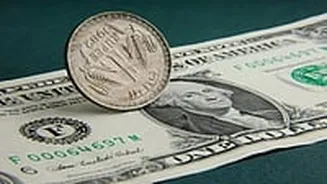








Mumbai: The Indian rupee rose for the second straight session on Monday, recovering from recent record lows. The local currency opened 24 paise stronger at 89.41 against the US dollar, compared with its
previous close of 89.65. Market participants said steady intervention by the Reserve Bank of India (RBI) helped support the rupee and calm sharp volatility.
RBI Intervention Plays a Key Role
Analysts believe the RBI has been actively selling dollars to prevent excessive weakness in the rupee. This intervention has helped the currency stabilise after sharp falls last week. However, experts caution that volatility remains high, and the rupee’s next move will depend on how long RBI support continues and how the US dollar behaves globally.
Key Levels Watched by Markets
Currency traders say 89.20 per dollar has become an important level. If the rupee manages to stay below this level for some time, it could strengthen further toward the 88.50–88.30 range in the near term. On the other hand, any renewed dollar strength could again put pressure on the rupee.
Support from Trade and Capital Flows
The rupee also found support from improving economic data. India’s merchandise trade deficit narrowed sharply to USD 24.5 billion in November, down from USD 42 billion in October. A strong surplus in services exports, such as IT services, continued to support the country’s external balance. In addition, foreign portfolio investors (FPIs) turned buyers in Indian equities and sellers of dollars, helping the rupee recover.
Best Performer in Asia Last Week
On Friday, the rupee recorded a sharp 0.67 per cent gain, briefly moving past the key 90-mark against the dollar. Although it later gave up some gains, it still emerged as the best-performing Asian currency for the day.
Outlook Remains Volatile
Despite the recent rise, experts expect the rupee to remain volatile. FPIs were net sellers in most trading sessions in December, which could limit gains. A Bank of Baroda report said the rupee may stay unstable until clarity emerges on a possible trade deal with the US, likely by March 2026. Overall, RBI actions and global factors will remain crucial.