



Mount Everest, standing tall at 8,849 metres on the Nepal-China border, has long symbolised human ambition and natural grandeur. Known as Sagarmatha in Nepal, the mountain draws hundreds of climbers each
year, all chasing the ultimate mountaineering dream. However, this growing footfall is taking a serious toll on Everest’s fragile ecosystem.
Shocking visuals from the upper camps
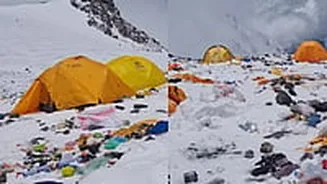
A recent video shared by Everest Today, a platform focused on Himalayan updates, has reignited concerns about pollution on the mountain. The footage, originally recorded in 2024 but still relevant today, shows garbage strewn across the snow at high-altitude camps. Discarded plastic bags, food wrappers, torn clothing, abandoned tents and empty oxygen cylinders are visible, particularly near Camp IV, one of the most critical zones for climbers relying on supplemental oxygen.
These images underline a troubling reality: even the most remote and extreme environments are not immune to human negligence.
“The Mountain Is Suffocating”
Alongside the video, Everest Today shared a strong message highlighting how waste accumulation reflects a broader failure of responsibility. The post stressed that while climbers depend on oxygen to survive at such heights, Everest itself is being left to “suffocate” under layers of trash. The platform urged authorities and climbers alike to prioritise stricter regulations, responsible climbing practices and effective waste management.
Public outrage and emotional responses
The visuals triggered an outpouring of anger and sadness online. Many viewers described the scene as heartbreaking, especially those who have personally experienced Everest Base Camp. Some suggested making cleanup efforts mandatory, either by requiring climbers to bring down waste or by building cleanup costs into expedition fees to support local workers.
Others questioned why authorities continue to permit such environmental damage, while several commenters went further, calling for a temporary halt to climbing altogether if waste cannot be controlled.
Nepal has introduced measures in recent years, including garbage deposit schemes and cleanup mandates for expeditions. Despite these efforts, enforcement remains inconsistent, and the sheer number of climbers during peak seasons overwhelms existing systems.