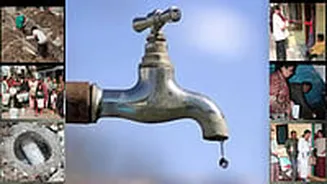








Indore (Madhya Pradesh): Despite the resumption of regular supply of clean drinking water from the Narmada pipeline in Bhagirathpura, residents are reluctant to use it for drinking, gripped by fear and
uncertainty.
Although taps now supply water every morning, many residents are avoiding storing or consuming it, citing concerns over possible contamination from old pipelines still running through several lanes. Indore Municipal Corporation (IMC) has restarted the supply of clean Narmada water through newly laid pipelines in parts of the locality. However, residents are using the water only for bathing and household chores, while continuing to depend on water tankers and borewells for drinking purposes.
Locals said repeated incidents of illness caused by contaminated water over the past few weeks have severely shaken public confidence. According to residents, at least 24 people in the locality lost their lives after consuming polluted water, deepening fear among the community.
Municipal officials maintain that water samples collected repeatedly from the new pipeline have been found safe for consumption. In an effort to reassure residents, Mayor Pushyamitra Bhargav publicly drank water from the new Narmada supply during its launch a week ago. Despite this gesture, residents remain hesitant, stating that confidence will return only after the entire settlement receives water through newly replaced pipelines.
On Tuesday, the municipal corporation once again tested the Narmada water being supplied to the area. Following reports of illness, the civic body had initiated the replacement of old pipelines. At present, Narmada water is being supplied through new pipelines to around 30 sections of Bhagirathpura, benefiting nearly 5,000 residents. However, with a population of over 50,000, the majority of households are still connected to old distribution lines.
Officials explained that water from the Bhagirathpura water tank also supplies nearby areas such as Kulkarni Ka Bhatta and Bijasan Nagar. Due to leakages in the local distribution network, contamination was confined to Bhagirathpura alone. A new pipeline has now been laid from the water tank to the settlement, covering a significant portion of the area.
The complete replacement of pipelines across Bhagirathpura is expected to take around two months. Meanwhile, extensive excavation work in the area has also made tanker-based water supply difficult, compounding the problems faced by residents.