




Today, when we ask a parent what kind of parent they are, the answer is often not so clear. There is no longer one prevailing solution. Instead, parenting in 2026 appears to be a mixture, sometimes deliberate,
sometimes instinctual, of styles that run the gamut from structured and ambitious to deeply nurturing and free-spirited. Terms like tiger, dolphin, koala and helicopter parenting are no longer limited to psychology textbooks; they are now a part of everyday conversations, shaping how families think about raising their children.
This shift is also backed by research. Studies from global child development organisations like UNICEF and the American Psychological Association have increasingly highlighted that parenting styles directly impact emotional regulation, confidence, and long-term mental health outcomes in children. The move, therefore, is not just cultural; it is deeply psychological.
What the spectrum looks like
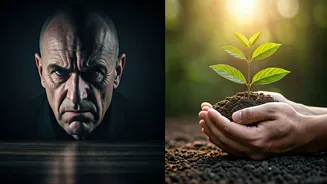
At one end of the spectrum is tiger parenting, a style that places academic success at the centre of a child’s time and energy. Those who follow this approach are often strict, goal-oriented and deeply invested in achievement. While this can build discipline and focus, experts note that it may also tie a child’s sense of self-worth too closely to performance.
On the other end, elephant parenting emphasises emotional closeness, protection and nurturing, particularly in the early years. It is not about shielding children from difficulty, but about being emotionally present while helping them build resilience. Koala parenting, rooted in attachment theory, similarly prioritises closeness and responsiveness, creating a strong foundation of emotional security.
Dolphin parenting
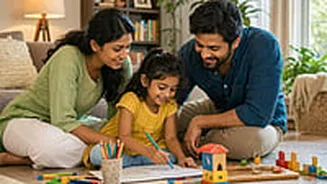
However, modern parenting is no longer about choosing one extreme. Increasingly, experts are observing a shift towards balance, something best captured in dolphin parenting.
Explaining this shift, Nitika Dial, Co-Founder, Taabur X WonderLab, says,
“Our approach to parenting falls under one that is best described as dolphin parenting—when there is a good deal of guidance but also a fair amount of freedom. It’s about getting kids in an environment where they can explore, make choices and learn through experience, instead of through one-size-fits-all approaches.”
“There has also been a deliberate shift away from excessive screen time and early specialisation and towards giving children greater access and chances to interact with the world outside.”
What Dial is pointing to is not just a parenting preference, but a larger behavioural shift. She explains that this thinking eventually translated into platforms like Taabur and WonderLab, reflecting a growing need among parents for more meaningful engagement. According to her, there is a visible move from passive to active learning, where children are encouraged to build confidence through doing rather than simply following instructions.
This aligns with global trends as well. A 2023 OECD learning report emphasised the importance of experiential and inquiry-based learning in early childhood, reinforcing the idea that children learn best when they actively participate rather than passively receive.
Emotional contract
This evolving approach also reflects a deeper awareness of how parenting shapes a child’s inner world over time.
Nehaa Goyal, Trauma-Informed Empowerment Coach, says, “As a trauma informed coach I focus on the internal world of child as a means of understanding the deep roots of this kind of parenting. What I have noticed is that many of these patterns of childhood continue on into adulthood and echo throughout the life cycle.”
“They significantly influence a person's perceptions of safety, dignity and belonging, interrelationships and accomplishments.”
Building on this, she explains how specific parenting behaviours translate into long-term emotional patterns. For instance, she notes,
“A ‘helicopter’ parent who is always there can make a child hypervigilant – and on guard. This means they are always on high alert and seeking validation.”
“A ‘gummy bear’ parent often does not provide the scaffolding their kids need, which can lead to weak boundaries and a lack of direction.”
Through these examples, Goyal highlights how parenting is not just about present behaviour, but about emotional conditioning that shapes adulthood—whether it is tiger parenting creating pressure through performance-linked love, or snowplow parenting limiting resilience by removing challenges altogether.
Helicopters, free-range & everything in between
This brings us to one of the most commonly discussed modern styles—helicopter parenting.
While it is often rooted in care, excessive involvement can blur the line between protection and control. As Siddhi Aiya, Counselling Psychologist and Habit Coach, explains, “Helicopter parenting often comes from a place of protection, but when a parent becomes too involved, it can limit a child’s ability to make decisions and build confidence.”
“Over time, this lack of independence can carry into adulthood, affecting how individuals trust themselves and navigate life choices.”
Her observation ties into a larger concern, when children are not given space to make mistakes, they may grow up doubting their own judgement.
At the opposite end lies free-range parenting, which encourages children to explore the world within safe boundaries, building confidence and problem-solving skills through real-life experiences. Panda parenting similarly steps back, allowing children to learn through their own mistakes, while jellyfish parenting, characterised by minimal rules and structure, can often result in a lack of direction.
Parenting in practice
For many parents today, however, these labels are not fixed identities but evolving combinations shaped by context, instinct and the child’s needs.
Reflecting this, Aditi Khandelwal, a mother to a 14.5-month-old, says, “As a mother of Yuven Tambi, my 14.5-month-old son, I find that I naturally combine several parenting philosophies rather than sticking to just one.”
“I identify most with the parenting styles of elephants and koalas during these formative years… being emotionally accessible, caring, and creating a solid sense of security.”
Her approach highlights how parenting often evolves in response to a child’s stage of growth. She further shares that she values dolphin parenting for its balance, allowing children to explore, make small decisions and learn through experience, reinforcing the idea that flexibility is key in modern parenting.
Similarly, parenting experiences can vary significantly depending on family dynamics.
Neha Gandhi, a mother of two-year-old twins, says, “As a mother of twins, parenting has been a uniquely overwhelming yet deeply rewarding journey. Handling two children at the same time means navigating two different personalities, moods, and needs simultaneously.”
“You cannot be too harsh, but being overly soft does not work either, especially when you are managing two young minds at once.”
Her experience adds another layer to the conversation, parenting is not just about philosophy, but also about context. She explains that she leans towards a mix of free-range and panda parenting, focusing on creating the right environment rather than controlling every step. This, she believes, allows children to explore, learn from mistakes, and grow into independent individuals with confidence and trust.
Finding the right balance
What emerges across these perspectives is a common thread, parenting is not static, but constantly evolving.
As Goyal explains, “Parenting is at the center of a child’s inner world. As adults, they are either continuing these patterns or resisting against them, and both of these acts consume energy and alter behavior.”
“So it’s not only about the style, you need to figure out how it actually affects things and have an answer.”
Her insight reinforces the idea that parenting is less about choosing a label and more about understanding its impact. Ultimately, good parenting lies in balancing structure with emotional support, creating an environment where children feel safe and are able to discover who they are.
In a world filled with advice, labels and expectations, the real transformation in parenting may not lie in choosing the “right” style, but in being aware, adaptable and present. Because beyond the labels of tigers and dolphins, what children truly carry with them is not a category, but a feeling—of being seen, supported and safe.