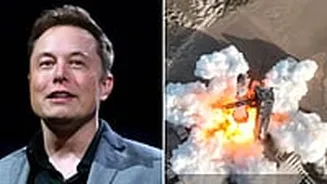






A sweeping post on X calling SpaceX's Starship "the most important machine on Earth' has gone went viral, with a personal endorsement from Elon Musk himself. The post made the case that everything humanity
dreams of doing beyond Earth is trapped in limbo until the cost of lifting mass off the planet collapses. Musk's agreement was simple, but its weight was not.
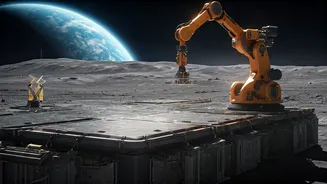
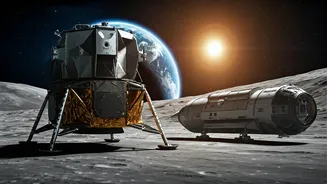
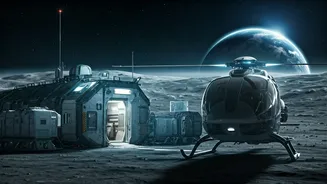
The post's central thesis cuts through the spectacle, "Everything is downstream of lift cost." Moon bases, Mars cities, space-based solar power, off-world mining, deep space telescopes - none of it graduates from PowerPoint to reality until you can move enormous amounts of mass off Earth cheaply, repeatedly, and at an industrial pace. Starship, standing 120 metres tall and designed for full reusability, is the attempt to break that lock. With target launch costs of around $10 million - a fraction of traditional rockets - SpaceX is betting the architecture can make space logistics as routine as freight.
The post argues that Starship's appeal goes deeper than engineering. "Modern civilisation has become psychologically small," it reads. "It worships management, caution, compliance, and local optimisation. Starship says scale again. Build again. Risk again." For its supporters, the machine carries something that hardware alone cannot - a cultural signal that humanity doesn't have to accept a shrinking destiny. That quasi-religious resonance, the post suggests, is exactly why people respond to it the way they do.
A shift in the structure of power
Perhaps the most provocative claim is geopolitical. A species bound to one planet, the post argues, is bound to one gravity well, one biosphere, one grid, and one cluster of elites deciding what is possible. Expand to the moon, then Mars, then beyond - and the structure of power itself changes. More energy, more redundancy, more strategic depth.
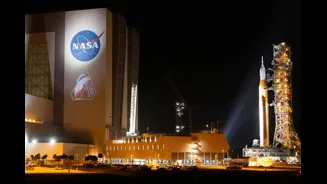
Starship has completed 11 test flights since 2023 and is central to NASA's plans for a crewed lunar landing in 2027. Critics question the risks, the timeline, and whether Earth's problems should come first. But for Musk and a growing chorus of space advocates, the conclusion is blunt - if Starship succeeds, the ceiling over the species cracks. If it fails, the wait gets longer than most people understand.