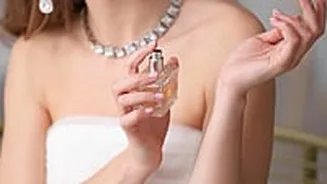


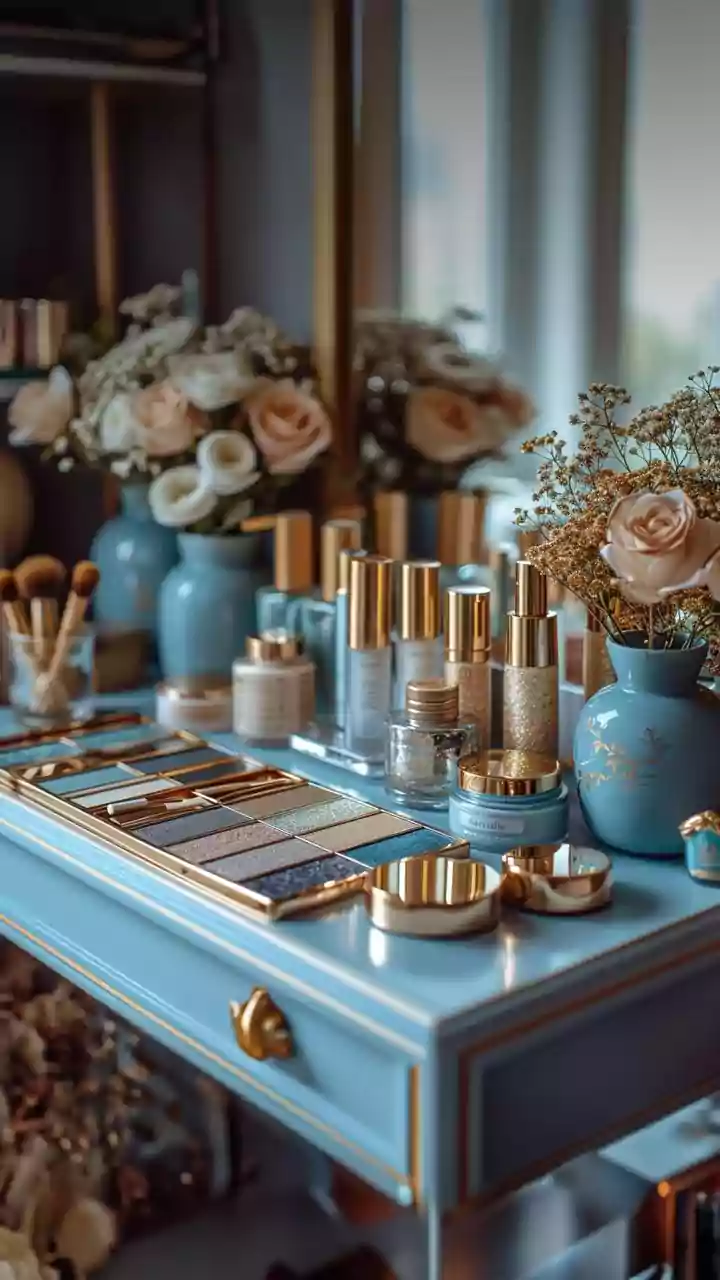



For many of us, the rituals of wearing perfume have largely remained the same: choose a scent (or several), mist the pulse points, dab a little on the wrist, and hope the fragrance carries through the day.
There have always been hacks to make your perfume linger, but the market is now evolving toward a new category altogether: the fragrance primer. They’re meant to function the way primers do for foundation, but does that really translate into longer-lasting perfume?
Once limited to backstage tricks and industry insiders, fragrance primers have begun capturing mainstream attention. Selena Gomez’s Rare Beauty launched four gender-neutral scent-boosting balms designed to be worn alone or layered with the brand’s debut eau de parfum. Gabrielle Chanel introduced its own Fragrance Primer, infused with ylang-ylang, jasmine, and orange blossom to amplify the floral signature of Gabrielle Chanel Eau de Parfum.
“A fragrance primer is a deliberately neutral, skin-compatible pre-treatment formulated to alter the skin surface so perfume molecules stay near the skin longer and evaporate more slowly,” explains Shehzad Mulla, perfumist and founder, Parfumerie Maison.
In the past, many relied on unscented lotions or petroleum jelly as DIY fixes. But primers offer a more sophisticated alternative: specialised bases designed to bond with fragrance molecules and hold them in place, often with subtle notes that enhance or complement the perfume layered on top.
“Regular lotions are primarily about skin feel and conditioning; they often contain fragrances, heavier oils, botanical actives and higher levels of occlusive or emollient ingredients that can compete with or mute delicate perfume notes. A primer is engineered to be neutral, fast-drying (or leave only an ultrathin film), and to use specific film-forming chemistry so it modifies perfume kinetics without competing aromatically. In short, lotions alter skin chemistry and smell; primers alter surface mechanics and residence time,” he explains.