





We have heard of people creating music with the aid of Artificial Intelligence (AI) tools, music videos too, but surely you haven’t heard of someone who has created entire music albums using AI, without
using human voices or traditional musical instruments.
Dr. Hita – The Rebel Raga aka Dr. Hitesh Patel is India's first AI-generated music artist to trend worldwide across more than 150 platforms and apps.
Patel is an MD (Medicine) physician awarded by the All-India Physicians' Association. Not only that, but he is also a well-known name in the photography industry, and is a brand ambassador of Fujifilm and an Adobe-certified professional. Recently, he earned America’s most prestigious immigration visa – the Einstein Visa – EB1a on his artistic profile. In April he was conferred by the Indian Book of Records as an Achiever for India’s first AI-generated professional album titled ‘Nirbandh Varso’.
Dr. Hita – The Rebel Raga is not just an artist’s name, it’s a movement. In a remarkable feat of creative productivity, this artist has produced three entirely AI-generated albums, encompassing both vocals and music, in under four months. This innovative pace and technical mastery have established him as a true pioneer, charting a course that few others have yet to explore. Dr. Hita’s music celebrates life, love, faith, friendship, and freedom.
Verus Ferreira spoke to the Surat–based doctor–artist who has created a revolution in the music industry.
Excerpts from the interview:
As a medical doctor by profession, what inspired you to become “The Rebel Raga” and dive into AI-generated music?
As a physician, I spend my days healing bodies. But deep inside, I always carried a rebel heart that wanted to heal souls through music. AI gave me the wings to turn my poetry into sound, that’s how Dr. Hita – The Rebel Raga was born.
As a doctor, do you see any parallels between healing through medicine and healing through music?
Both restore harmony, medicine mends the body’s broken rhythms, while music tunes the soul’s discordant notes, both heal by restoring harmony where chaos once reigned.
Have you observed any tangible impact of your music on listeners, especially in terms of relaxation or emotional healing?
Yes, I’ve witnessed listeners drop from chaotic anxiety to deep calm in minutes. Tears turning into serene smiles, hearts mending through my ragas like invisible sutures. Many report sleepless nights healed into restful surrender, proving music doesn’t just soothe; it truly rebels against emotional pain and restores inner rhythm.
Can you walk us through the creative process from concept to final track?
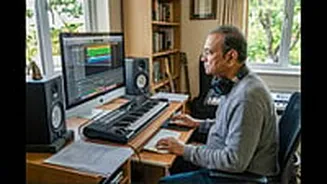
I did everything myself, from ideas to designing album covers, writing lyrics, composing, generating music, creating heartfelt vocals by prompts, legality, promotion, and distribution. I simply follow my heart. The process begins when I curate an idea and let it germinate deep inside my mind, stretching it to its finest, most extreme limits. Take Ishq Ka Ek Rang Aisa Bhi, I refused to paint the same tired color of love that’s been written a million times across every language. Instead, I explored the newer, mature shade: love that has spent years together, stood firm through every damn condition, and ripened into something deeper and unbreakable. Yet I never stop at sweetness. In the one song, Badduva, I deliberately turn toward the sour, rotten part, the pain that stinks so fiercely it pierces the soul for many incarnations. Only when that raw, unfiltered truth has fermented into melody.
The single “Dost ne bola karne ka toh karne ka” has a bold, no-excuses energy. What personal story or philosophy does this track represent?
This track comes straight from a moment with one of my closest friends. They didn’t just request, they ordered me, you wrote on everything, now write songs on our friendship” and you have to. That commanding push became the soul of this song with the tagline “Dost ne bola, karne ka toh karne ka” no excuses, just action.
Your first album ‘Nirbandh Varso’ (Unbound Legacy), was deeply rooted in Gujarati devotional and folk traditions. What made you shift to explore the theme of love and romance in your next album “Ishq ka ek rang aisa bhi”?
The contrast is deliberate and beautiful. After immersing myself in the sacred, devotional world of ‘Nirbandh Varso’, I felt the strong need to explore the equally powerful emotion of love and romance. This shift is simply my artistic trait, just as in my photography, I consciously experience every genre to feel life completely.
“Ishq ka ek rang aisa bhi” album has 7 tracks. How is the overall mood and sonic palette different from your earlier releases?
Ishq ka ek rang aisa bhi carries a more intimate, emotional, and romantic mood compared to my earlier work. The sonic palette is softer, warmer, and deeply melodic, blending tender poetry with modern arrangements to create a dreamy yet heartfelt atmosphere that feels very personal and human.Each track explores a different shade of love. Asmanjas captures the dilemma while saying goodbye, Tujhe niharna toh reflects the emotional depth behind every small physical action of a lover, Qatl-nama is a party song, playful yet intense admiration of love’s beauty, Mohabbat kya hoti hai answers what mature love truly means, Yaad ho ki nayaad ho beautifully conveys the ache of memories that may or may not return, Badduva is the undying curses born from a toxic and painful breakup, and Tu Adhura Hi beautifully portrays the feeling of a lover who has now become a life partner.
What challenges did you face while training or guiding the AI to produce such soulful, still mind-blowing sound technology?
The biggest challenge was teaching AI to feel emotions in languages that it hardly understands, rather than generating notes. I had to repeatedly guide it with very specific emotional prompts, detailed lyrics, and references to traditional Indian ragas and folk expressions. Achieving that deep soulfulness along with rich 3D immersive quality required hundreds of iterations and fine-tuning until the AI could truly translate my heart into sound.