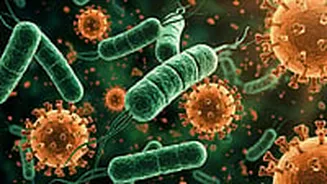

When colder months roll in, so does an unwelcome guest, the winter vomiting bug. Medically known as norovirus, this highly contagious virus is one of the most common causes of acute stomach infections
worldwide. Though short-lived for most people, it can leave you feeling utterly drained and miserable for days.
What is Norovirus?
Norovirus is a fast-acting stomach virus that targets the digestive system. It’s infamous for causing sudden bouts of vomiting, watery diarrhea, nausea, abdominal cramps, and sometimes low-grade fever or headaches. Symptoms typically appear 12 to 48 hours after exposure, often without warning.
Why is it called the “Winter Vomiting Bug”?
Although norovirus can circulate year-round, outbreaks spike during winter. People spend more time indoors, increasing close contact and shared surfaces. The virus is extremely hardy, surviving on doorknobs, countertops, and utensils for days. This is why outbreaks are common in schools, cruise ships, hospitals, nursing homes, and childcare centers.
Unlike bacterial food poisoning, norovirus doesn’t need spoiled food to spread, direct contact with an infected person is enough.
How Norovirus affects the gut
Once swallowed, norovirus heads straight to the small intestine, where it attaches to the intestinal lining. It multiplies rapidly, triggering inflammation and damaging cells responsible for absorbing fluids and salts. The result?
-Fluid builds up in the intestines, leading to watery diarrhea
-Intestinal muscles contract, causing cramps
-Vomiting acts as a rapid defense, expelling the virus
This combination causes rapid dehydration, which is the main risk associated with norovirus, especially for children, older adults, and those with weakened immune systems.
How long does Norovirus last?
The good news: most people recover within 1 to 3 days. There’s no specific antiviral treatment, but supportive care makes a big difference. Recovery Tips:
-Take small, frequent sips of oral rehydration solutions (ORS)
-Avoid sugary or caffeinated drinks
-Once vomiting settles, eat bland foods like rice, bananas, toast, and applesauce
-Rest and avoid heavy or fatty meals
It’s advised to stay home for at least 48 hours after symptoms stop, as you can still be contagious.
Signs you should see a doctor
Seek medical attention if you or someone else experiences:
-Dry mouth or extreme thirst
-Dizziness or confusion
-Little or no urination for several hours
-Persistent symptoms beyond a few days
-Illness in infants, elderly individuals, or immunocompromised people
How to prevent Norovirus infection
Since there’s no vaccine or cure, prevention is key. According to Cleveland clicnic, the best prevention practices are:
-Wash hands with soap and water for at least 20 seconds
-Use bleach-based disinfectants on surfaces
-Wash fruits and vegetables thoroughly
-Avoid preparing food for others while sick and for 2 days after recovery
Alcohol-based hand sanitizers are less effective against norovirus, so proper handwashing is essential.