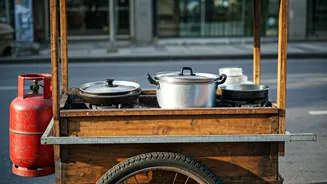







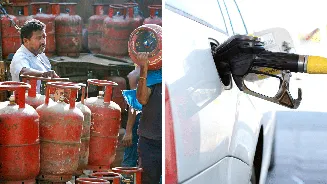

Mumbai, March 17: The shortage of LPG cylinders has begun to hit the city’s street food ecosystem, with breakfast becoming noticeably more expensive. Across several neighbourhoods, roadside stalls that
cater to daily commuters and workers are struggling to operate as gas supplies dry up.
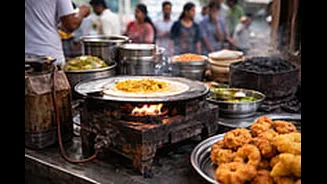
According to TV9, vendors say they are being forced to switch to kerosene and coal based stoves, a move that has increased both costs and cooking time. As a result, prices have risen, a ghavan that earlier cost Rs 25 is now being sold at Rs 30, while a dosa priced at Rs 30 now costs Rs 35.
Vendors switch to kerosene, coal alternatives
With cylinders unavailable or unaffordable, many stallholders have turned to kerosene stoves. At Curry Road, a popular medu vada stall began using a kerosene stove after exhausting its last cylinder.
Operators claim the price of a cylinder has surged from around Rs 1,700 to as high as Rs 5,000 to Rs 6,000 in the black market. They warn that if the shortage continues, food prices may rise further, even as customer footfall has already started declining.
Thane hotels shut, hearths replace gas stoves
The crisis is not limited to Mumbai. In Thane, nearly 60 per cent of hotels have reportedly shut operations due to the lack of LPG cylinders. Several eateries are now cooking on traditional hearths using coal and wood placed outside their establishments.
Hotel owners have urged authorities and gas agencies to ensure regular supply, while also flagging concerns about the growing black market for cylinders.
Solapur, Pune businesses feel the heat
In Solapur, hoteliers say they have been forced to cut down menu items and are even considering reducing staff. Some establishments fear closure if supplies do not improve.
Pune’s Poli Bhaji centres are also affected, with chapati prices doubling in some places. With thousands depending on these kitchens daily, the shortage is beginning to disrupt both livelihoods and essential food services across cities.