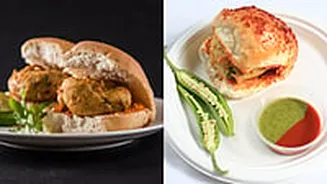









If Mumbai had to be explained in a single bite, it would probably be a vada pav. Messy, layered, global in origin and fiercely local in spirit, the humble snack is more than street food. It is history
wrapped in paper, eaten standing under a shop awning while local trains thunder past.
Speaking exclusively to FPJ after an evening panel discussion on food and culinary history, anthropologist Kurush F Dalal unpacked why Mumbai’s most iconic snack is, ironically, not entirely Mumbai in origin.
“Vada pav is actually Portuguese in many ways,” Dalal said, almost playfully dismantling the idea of culinary purity.
The pav itself comes from the Portuguese word for bread. But it does not stop there. Potatoes, chillies and even peanuts, key elements of the snack, arrived in India through Portuguese trade routes centuries ago.
The fiery red chilli peanut thecha, the green chillies fried alongside the vada, the soft bread holding it all together, each element carries a story of migration and exchange. Mumbai, a port city shaped by waves of traders, workers and settlers, simply did what it has always done best, adapt, simplify and make something its own.