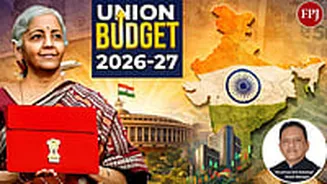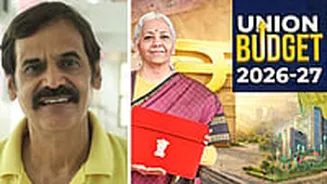

Indore (Madhya Pradesh): The Union Budget 2026 is a landmark step toward making healthcare more affordable and accessible, particularly for families grappling with critical illnesses.
As the Executive Member
of the Federation of Hospital Administrators, I view this Budget as a decisive move to ease the financial burden on thousands of patients, especially those battling cancer and rare diseases, which often push families into emotional and economic distress. The government has acknowledged a harsh reality: the cost of life-saving treatment can force families to choose between financial survival and medical care.
A major initiative in this Budget is the exemption of basic customs duty on 17 essential cancer drugs. These medicines, many used in advanced treatments such as immunotherapy, targeted therapy, and cell-based therapy, were previously expensive due to import costs. By eliminating these duties, the government has made a clear statement that access to critical treatment should not be limited by affordability. The list of exempted drugs includes Ribociclib, Abemaciclib, Talycabtagene autoleucel, Tremelimumab, Venetoclax, Ceritinib, Brigatinib, Darolutamide, Toripalimab, Serplulimab, Tislelizumab, Inotuzumab ozogamicin, Ponatinib, Ibrutinib, Dabrafenib, Trametinib, and Ipilimumab. For families facing long-term treatment regimens, even a small reduction in drug costs can significantly ease financial pressure.
Equally important is the government’s focus on rare diseases. Patients suffering from these conditions often struggle to access specialized medicines and medical foods, which are mostly imported and priced prohibitively. This Budget now includes seven additional rare diseases under customs duty exemption for personal imports, offering much-needed financial relief to families who previously had few options. By addressing the economic barriers to treatment, these measures will help reduce the mental and emotional strain that accompanies the cost of chronic illness.
Beyond direct financial relief, these steps have wider implications. Reduced import duties on essential medicines may encourage domestic production of high-cost cancer and rare disease drugs, strengthening India’s pharmaceutical and biotech industries. This will not only reduce dependence on imports but also support research and innovation in critical areas of healthcare, improving access for future generations.
Importantly, this Budget conveys a humane message: healthcare is not merely about statistics, fiscal allocations, or policy language; it is about saving lives and providing timely treatment. By making critical medicines more affordable, the government is ensuring that treatment becomes less about financial capability and more about recovery and well-being.
In conclusion, the Union Budget 2026 brings a sense of hope and reassurance for patients and families across India. Customs duty exemptions for cancer drugs and medicines for rare diseases demonstrate a compassionate and forward-looking approach to healthcare policy.
These measures alleviate financial burdens, improve access to treatment, and send a clear signal that the government prioritizes human life. For patients and their families, it means treatment focused on recovery rather than cost—a development that can transform lives and strengthen India’s healthcare landscape.
[The writer, Dr Naresh Purohit is an executive member of the Federation of Hospital Administrators]