






Dil Chahta Hai, which completed 25 years on Tuesday, continues to hold a special place in Hindi cinema. Farhan Akhtar’s directorial debut not only captured the changing aspirations and relationships of
urban India but also introduced a new storytelling language that felt fresh, contemporary and different from what audiences were used to at the time. For actress Sonali Kulkarni, who was part of the film, its eventual status as a landmark was something nobody could have predicted while making it.
In an exclusive interview with The Free Press Journal, Sonali revealed her casting in the film came about in an almost filmi manner.
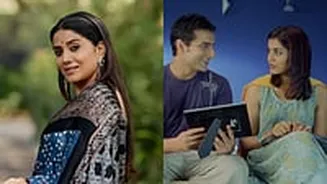
"Someone was carrying my photoshoot pictures and they accidentally fell down. Zoya Akhtar saw them. She had already seen my earlier films that had made to international film festivals, and she said, 'I know Sonali Kulkarni, but does she look this modern, the way she looks in these photos?' She reached out to me for an audition. I went to Excel Entertainment's office, and Zoya and I improvised a scene," the actress said.
"It was such fun. I just count my blessings that I got cast in Dil Chahta Hai when the casting director was Zoya," she recalled.
Looking back, Sonali said there was no sense on the sets that they were creating a film that would eventually become an Indian cinema classic. What stood out for her was the combination of youthful energy and discipline during the shoot.
"It was amazing. While we were making the film, none of us realised that we were creating an epic film or a landmark in Indian cinema. It was so youthful, so much fun, and there was such wonderful discipline. We had a bound script, we were given call sheets - in fact, I have saved a few call sheets as memories. I still have them. We were given the scenes the previous day, so we had time to prepare," she said.
"I feel that preparation was the backbone of Dil Chahta Hai's success," she stated, pointing to the meticulous work that went into even the film’s most memorable sequences. She recalls how the 'Woh Ladki Hai Kahan' song evolved, with Arjun Bhasin conceptualising it and Farah Khan designing the sequence.
For Kulkarni, the film’s freshness came from the way several elements worked together. "The music, cinematography, performances---they were so urban, so fresh, so new," she said. More importantly, the relationships and reactions felt contemporary, moving away from the familiar stories of sacrifice and conventional emotions.
25 years later, that language remains recognisable and influential, proving that Dil Chahta Hai was not merely a film about its generation but it helped define one.