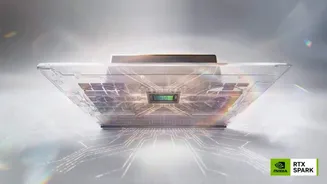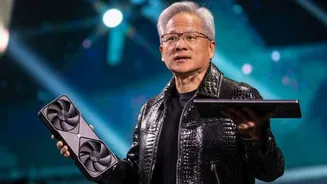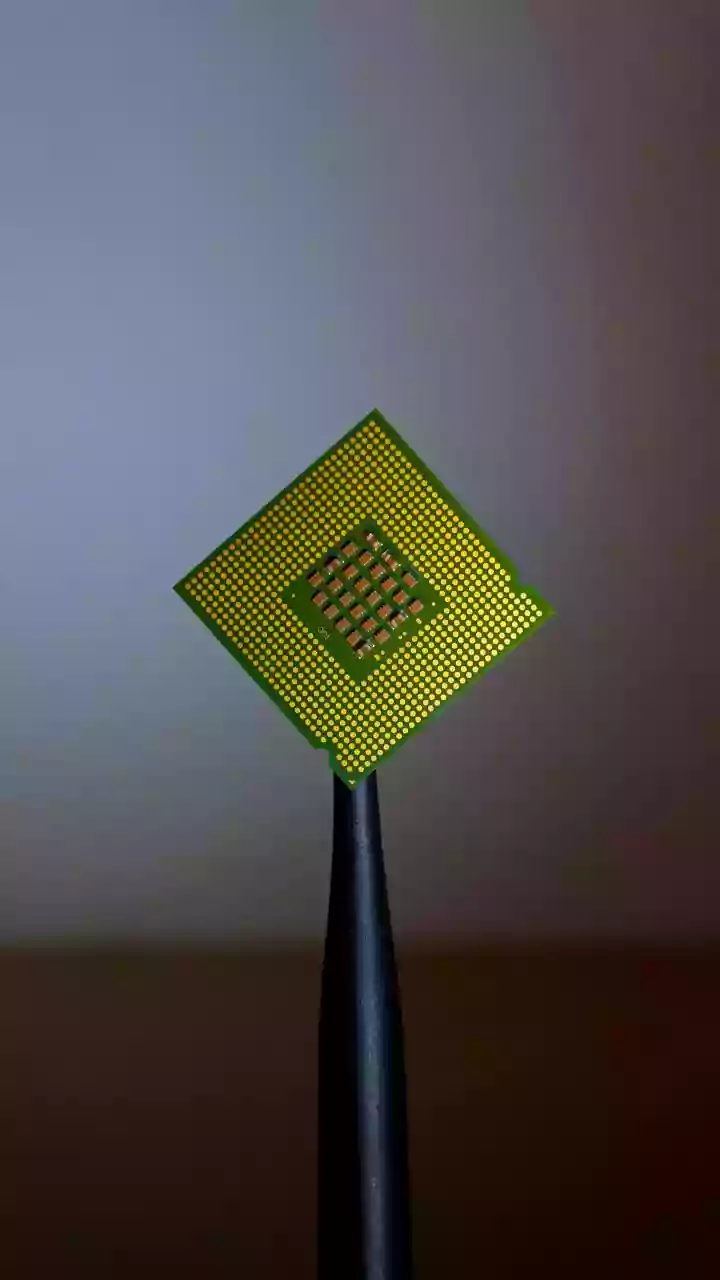







For decades, every Windows PC has run on either Intel or AMD silicon. That era ends right here. Nvidia unveiled its first laptop chips designed to power Windows PCs at Computex 2026 in Taipei. The N1X,
a system-on-chip, is said to pack 20 CPU cores alongside Blackwell graphics with 6,144 CUDA cores, delivering RTX 5070-class graphics performance without a discrete GPU. It is also reported to support up to 128GB of unified LPDDR5X memory. Nvidia alsointroduced the RTX Spark PC chip developed with MediaTek
What makes this a historic shift?
Nvidia's chips will serve as the main processor inside Windows laptops, not a co-processor. Windows PCs have never shipped with Nvidia silicon in this role before.
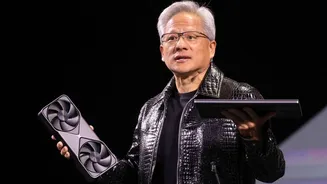
Nvidia CEO Jensen Huang delivered the opening keynote at Computex at the Taipei Music Center, with Nvidia and Microsoft jointly teasing 'A new era of PC', complete with GPS coordinates pointing directly to the venue. The two-hour keynote covered AI, PCs, and robotics, with the N1X taking centre stage. Huang said that a joint keynote with Microsoft's Satya Nadella tomorrow, will offer more details on the partnership.
N1X to debut on multiple OEM models
This is not a boutique experiment. Dell, HP, and MSI have all confirmed N1X or RTX Spark devices. Dell is expected to debut an XPS laptop with the chip. Microsoft's Surface line is expected to serve as the flagship platform, according to multiple reports. Analysts expect premium pricing north of $1,400 at launch. The chip comes with in-built capability of agentic AI and supports all apps and services that Microsoft has ever offered.
Computex 2026: What to expect?
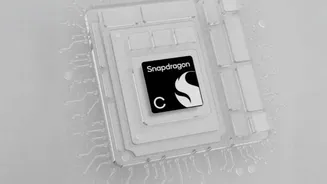
Computex runs June 2–5 at the Taipei Nangang Exhibition Center. Beyond Nvidia, Intel is presenting its Arc G3 chip, the first processor purpose-built for gaming handhelds, and Qualcomm has unveiled its Snapdragon C platform targeting $300 Windows laptops. AMD skipped a keynote this year, as it sits mid-product cycle.
The show is one of the world's largest annual technology trade events, bringing together global hardware makers, chipmakers, and OEMs to preview the next generation of computing.