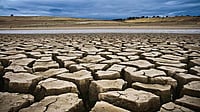






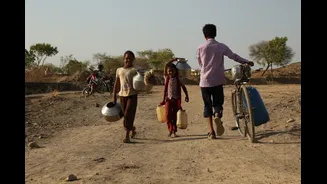


A strong El Niño this year, coupled with unprecedented global temperatures, severe droughts, wildfires, and diminishing water resources, may result in nearly 500,000 additional fatalities globally by the
end of February, according to a research report published on Wednesday. In that series of impacts, India could face a severe heat-related health crisis if an exceptionally strong El Niño event develops, with projections suggesting that as many as 15,800 people could die from extreme heat across the country over a six-month period.
India's risk from Super El Niño
According to the study, "For India, nearly half of those deaths fall in just three months - December to February. The toll is not expected to stop there, with these deaths projected to keep rising into India's summer."
A study from the University of Chicago published on Wednesday estimates that almost 451,000 deaths, with an additional 15,800 (± 1,600) heat-related deaths in India, are expected worldwide in the next six months due to the current "Super El Niño", relative to a typical year. The warning comes amid growing concerns over the potential impact of a "Super El Niño" — an unusually strong phase of the climate pattern that can influence global temperatures and weather conditions. Scientists have also estimated that extreme weather linked to such climate conditions could contribute to hundreds of thousands of deaths worldwide.
Risk of deaths across the world
Apart from India, major hotspots include South and Southeast Asia and parts of Latin America. The researchers project about 19,400 additional heat-related deaths across the Philippines, Thailand, Vietnam and Cambodia, as well as 19,300 in Indonesia and 13,300 in Brazil.
Extreme weather associated with severe heat
According to the figures cited in recent climate projections, around 451,000 people could potentially lose their lives globally over a six-month period because of extreme weather associated with severe heat and other climate-related events. India is particularly vulnerable to rising temperatures because of its large population, high exposure to heat and the number of people working outdoors. Prolonged periods of extreme heat can increase the risk of dehydration, heatstroke and cardiovascular and respiratory complications, particularly among older people, children and those with existing health vulnerabilities.
El Niño's impact on rainfall patterns
A stronger El Niño can also disrupt rainfall patterns across different parts of the world. In India, changes in temperature and precipitation can have consequences for agriculture, water availability and public health.
However, projections of potential deaths are estimates rather than confirmed forecasts. The actual impact would depend on the intensity and duration of extreme weather, local temperatures, public-health preparedness, access to cooling and healthcare, and the ability of communities to respond to heat emergencies.