
As December draws to a close and the familiar countdown to midnight begins, India’s cities slip into celebration mode. Rooftops glow, music spills into the night, and glasses rise in collective anticipation.
Yet, amid the sparkle and sound of New Year’s Eve, something subtle is changing. The parties are still full, but the drinking is more deliberate. Celebration, increasingly, is about how people want to feel when the night ends.
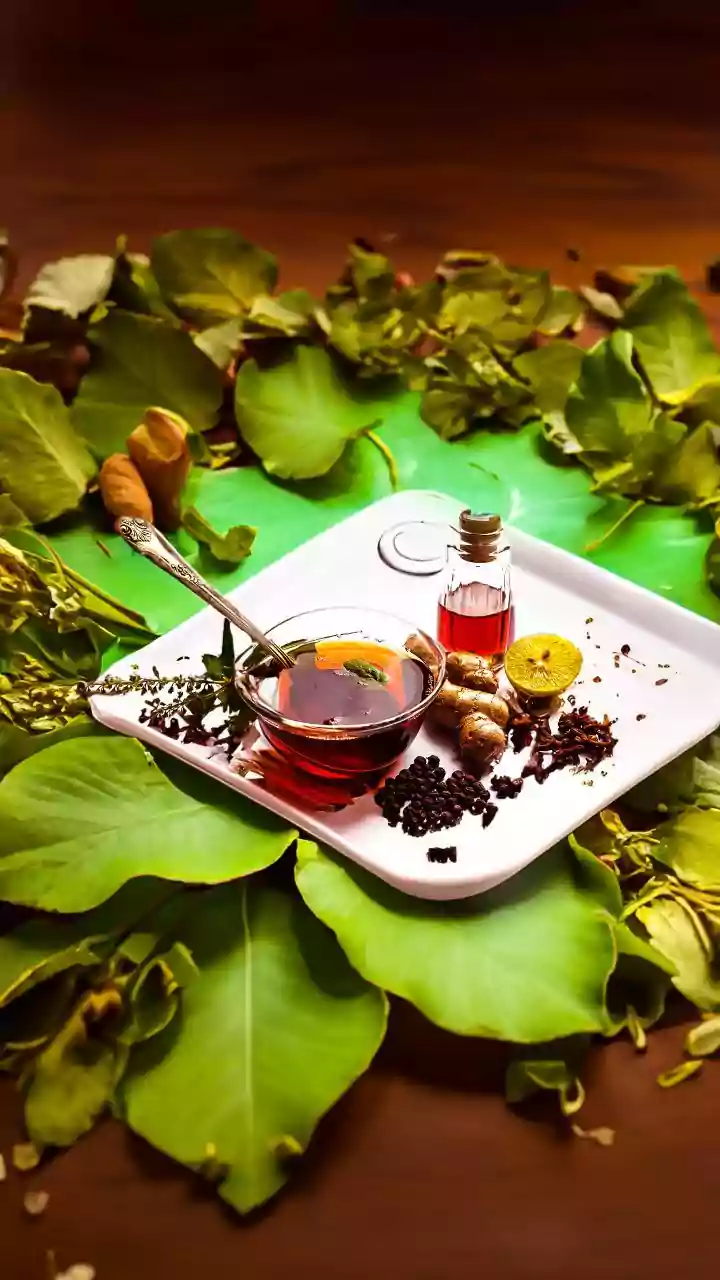
Across Mumbai, Delhi, Bengaluru, Hyderabad and Goa, festive menus reflect this shift. Low-alcohol cocktails, wine-based spritzes, fermented tonics and spice-led mixers are no longer fringe offerings. They are becoming central to how people choose to celebrate the new year, signalling a move away from excess and towards intention.
When the party learns to slow down
Globally, drinking habits have been undergoing a steady recalibration through 2024 and 2025. Industry reports show that nearly one in two adults plan to reduce alcohol consumption in 2025, citing better sleep, mental clarity, physical health and long-term wellbeing.
At the same time, the low- and no-alcohol beverage market, now valued at over $1.4 trillion globally, continues to grow, driven by innovation focused on flavour, complexity and social experience rather than intoxication.
India mirrors this trend in its own layered way. While overall alcohol consumption remains strong, hospitality professionals note a clear rise in low-ABV beers, wine cocktails and mindful drinking menus, especially during festive periods. The shift is not about abstaining from celebration, but about recalibrating it.
Bars designed for balance, not abstinence
India’s bars and restaurants are not simply observing this change; they are actively building for it. At Beerlin, co-founder Sandeep Pundir says the transformation is visible not just in orders, but in how guests engage with the space.
“We see this shift every day across our tables, groups who want to celebrate, unwind and connect without feeling weighed down the next morning,” he says. “India’s drinking culture is maturing. Our low-ABV cocktails and craft brews have become conversation starters. Guests are curious about flavours, ingredients and the story behind what’s in their glass.”
According to global hospitality trend reports in 2025, bars that expand low-alcohol and zero-proof offerings are seeing longer guest dwell time and higher repeat visits, suggesting that mindful drinking aligns with how people now want to socialise.
In Noida, Aashi Gupta, co-founder and marketing head of Salt Cafe, sees younger diners driving this evolution.
“There’s a growing preference for low-alcohol and mindful drinking, especially among guests who value balance, flavour and conversation over intoxication,” she says. “Our low-ABV cocktails, fermented tonics and spice-forward mixers allow people to enjoy complexity without excess. This movement isn’t about giving up alcohol — it’s about choosing intention.”
She adds that New Year menus are increasingly designed to feel inclusive, ensuring that wellness-conscious guests still feel celebratory, not sidelined.
Luxury hospitality is moving in the same direction. At The Lalit Group, corporate sommelier Charles Donnadieu says festive drinking is now approached through storytelling and balance rather than strength.
“Our focus is quality over quantity,” he says. “Wine-based cocktails and lighter expressions allow guests to enjoy long evenings, food, conversation and celebration — without sensory overload.”
Individual choices shape the New Year's mood