
Director: Ric Roman Waugh
Cast: Morena Baccarin, Gerard Butler, Roman Grifin Davis
Where to watch: In theatres
Rating: **1/2 stars
Review
This film arrives like the relative who overstays the apocalypse and
insists on narrating every detour on the way out. The first film at least flirted with emotional gravity; its sequel appears content to pack a lunch, lace its boots and stride into the well-trodden territory of post-cataclysm clichés. Five years after surviving celestial annihilation, the Garrity family must now survive the sequel’s thinly stretched imagination.
What begins as a promising shift, life in a bunker community fraying under scarcity, quickly devolves into a continent-hopping obstacle course that mistakes exhaustion for profundity, a misstep Ric Roman Waugh’s direction never quite corrects.
This instalment replaces the first film’s surprisingly earnest family drama with a travelogue curated from a disaster-movie sampler pack: deserted cities, unhelpful troops, convenient strangers, and bridges that appear to have been engineered by pessimists. The narrative shuffles between tragedy and sentimentality with the emotional finesse of a malfunctioning warning system, never quite steadying on either.
It is not incompetent by any means; it simply refuses to rise above adequacy, with Waugh’s staging veering between earnestness and recycled spectacle. The film insists on seriousness even as its set pieces wobble under the combined weight of borrowed beats and overreaching ambition.
Actors’ Performance
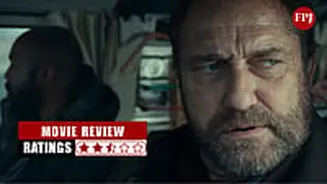
Gerard Butler, eternal champion of the Determined Father genre, returns with his trademark combination of weary resolve and gravelly affection. He is, as always, endearingly committed; often more than the material deserves. Morena Baccarin brings sincerity to a role written more as moral ballast than as a fully realised character, while Roman Griffin Davis, as the now-teenaged Nathan, oscillates between earnest and exasperated like any adolescent drafted into cinematic doom.
The supporting cast functions mostly as narrative kindling. Characters are introduced with hopeful glimmers, such as scientists, soldiers, and friendly Europeans, only to be promptly extinguished in the service of the Butler Family Survival Algorithm. One can almost hear the script whispering apologies as it ushers them offstage. Still, despite the uneven writing, the principal trio manage moments of warmth, which is perhaps the film’s most stubborn achievement.
Music and Aesthetics
The film’s aesthetic ambition exceeds its resources. Wide shots of wrecked landscapes occasionally achieve a sombre beauty, suggesting a world that has not so much ended as paused mid-collapse. The trouble begins when the camera drifts too close; the visual effects wobble, the debris looks obligingly choreographed, and certain action sequences recall the energy of a moderately determined theme-park ride.
The score, meanwhile, is determinedly earnest. It swells at every near-death moment and sighs at every emotional beat, as though compensating for the film’s reluctance to let scenes breathe. It is effective in a similar way to a familiar ringtone: comforting, predictable, and unlikely to linger in memory.
FPJ Verdict
This film is not a disaster of a disaster movie, but it rarely justifies its journey. It offers intermittent thrills, a dependable central performance, and enough sincerity to avoid dismissal. Yet it never escapes the pull of formula. For audiences who enjoy the grim rhythm of mid-budget apocalyptic fare and maintain a soft corner for Butler’s indefatigable dad-energy, this sequel may offer modest satisfaction. For others, it is a serviceable but forgettable trek across cinematic rubble.