
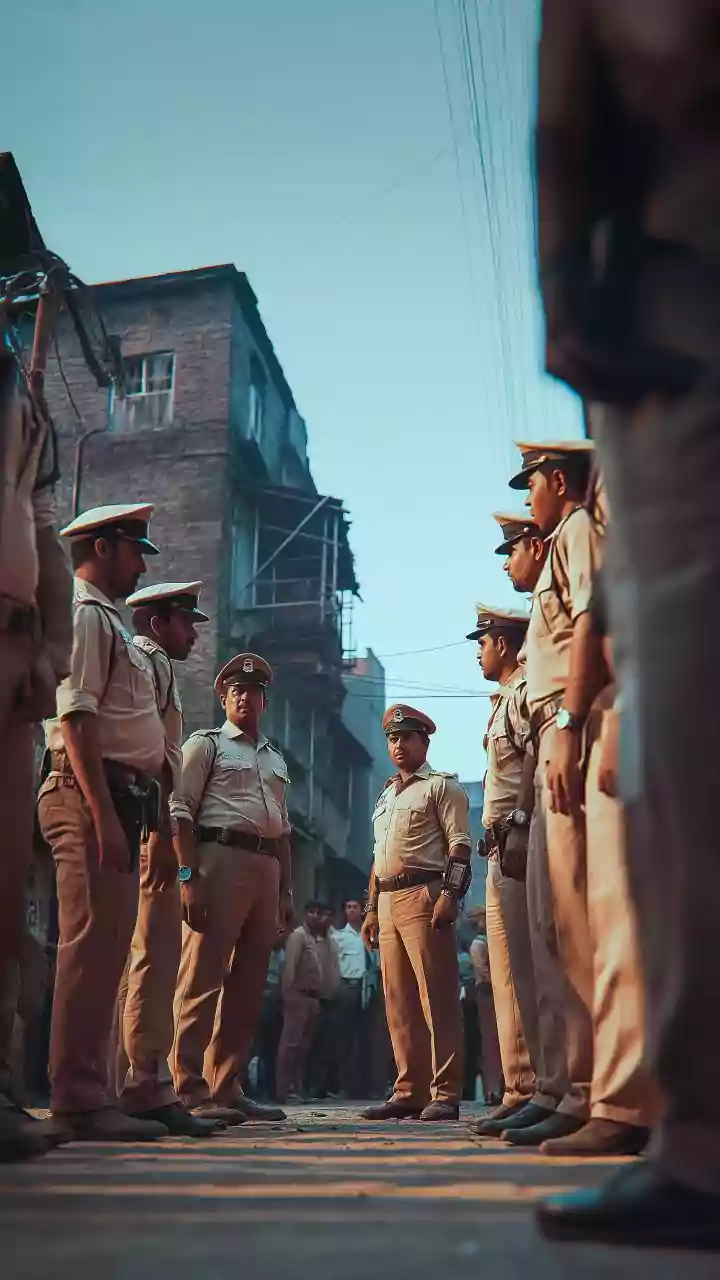






A recent bust by the Delhi Police Crime Branch has once again exposed a dangerous undercurrent in India’s healthcare system. Officials uncovered a fake
medicine manufacturing racket operating across the National Capital and parts of Uttar Pradesh, arresting six individuals involved in producing, packaging and distributing counterfeit drugs under multiple brand names. According to Deputy Commissioner of Police Aditya Gautam, the network had been active for over a decade, supplying spurious medicines to several northern states since 2011–12. It’s a revelation that raises an uncomfortable but urgent question: if such operations can run for years undetected, how safe are the medicines we consume every day? Against this backdrop, we decided to take a closer look at the growing threat of counterfeit and substandard drugs—how they enter the system, how pharmacists detect them, and most importantly, how patients can protect themselves. A foil pack of tablets feels routine, almost reassuring. Yet behind that sealed strip lies a complex supply chain where a single lapse can turn treatment into risk. Across India and beyond, pharmacists are increasingly acting as the last line of defence against counterfeit and substandard medicines quietly entering the market. Central Drugs Standard Control Organization data shows inspections, recalls and quality checks are ongoing. But on the ground, pharmacists say the fight is daily, meticulous and far from over.
How can you spot a fake before it harms you?
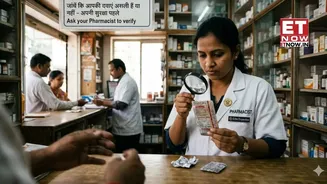
“Genuine medications authentic in nature would have like good quality printing of logos,” says Harika Bheemavarapu, Clinical Pharmacist and Co-founder of Elite Expertise. She points to details most buyers overlook. “You can check the spelling mistakes… there would be a spelling mistake on the ‘shake well before use’ instruction, or even the logo would be different from the original drug.” The warning signs are often subtle but telling. “The printing is very cheap quality. It’s not bright enough. That gives you a bell. It’s a red flag,” she explains.
Batch numbers, expiry dates and tamper-proof seals matter just as much. Even the tablet itself can betray a problem. “See their smell, if there’s any crumbling… if liquid medications are having any bad smell or different consistency.” Her advice is direct. “Better to buy it from a licensed pharmacist and then popular pharmacy chains… or established local pharmacies would be good to prevent taking counterfeit drugs.”
What really happens when a fake drug enters your body?
The consequences are not always immediate but can be devastating. “Counterfeit drugs, substandard drugs could be very dangerous… sometimes, worst case scenario, they can lead to death,” she says. The risks range widely. “Poor quality drugs would not have any active ingredient… they would lead to overdose and poisoning side effects.” Infections and contamination are another concern. “They might have contaminated substances… especially like eye preparations, injections, which are very dangerous to consume.” What makes the crisis more alarming is how quietly damage unfolds. “You would not see any improvement in the patient’s symptoms… it can delay the symptoms and then cause negative consequences to the health.”
There are broader public health risks too. “With antibiotics… bacteria getting resistance and then superbugs are emerging especially in countries like India.” Cases of organ damage are not rare. “Kidney failure, liver failure, heart problems, brain related injuries,” she notes, adding that even expired drugs can trigger emergencies like rashes and breathlessness.
Can a pharmacist refuse to sell you a medicine?
Yes, and they should when safety is compromised.
“Absolutely, a pharmacist can refuse to sell any counterfeit medication or improperly stored medication because… patient safety, health, and well-being is our first priority,” she says. Storage conditions are critical but often ignored. “Suppose it’s a fridge item and it’s stored in outside temperature… it can damage the membranes of a human body.” Even common products can become harmful if mishandled. “Eye drops, ear drops, injectables… need proper storage conditions.” When standards are not met, refusal is not optional. “If a pharmacist… thinks that this can compromise the quality of health care… he can reject, refuse the improperly stored items and send it back.”

How do pharmacists detect what you cannot see?
They cannot test every pill in a lab, but their checks are layered and systematic. “A pharmacist can identify counterfeit medications… through visual checks, professional checks, regulatory mechanisms, supply chain checks,” she explains. There are limits. “He or she can’t really open the tablet and check the active ingredient… that’s impossible for a dispensing pharmacist.” But expertise matters. “Pharmacists are better off with the knowledge because they are the drug experts… they can use their clinical judgement.” Verification goes beyond the strip. “Checking the batch number, expiry dates… scanning the barcodes, QR codes… supply chain verification.”
Digital tools help too. “Pharmacist databases… show the pill images, what mark they have, the colour, texture… that can be used to check.” The system also relies on vigilance. Recalls, reporting and pharmacovigilance close the loop when something slips through.
Is buying medicines online a riskier bet?
Convenience has changed how India buys medicines, but it comes with caveats. “Online buying is very convenient… but it has to be done through an established reputable platforms,” Dr Anayatullah Khan, Indraprastha Apollo Hospitals says. The biggest red flag is pricing. “If they look so cheap… please don’t buy them.” Verification gaps are harder to control online. “We don’t know at what temperature they will deliver the product.” There are safer signals to look for. “Some pharmacy websites… ask for a prescription… following all the rules… they provide clear manufacturer details.”
But the risks persist. “If a website is selling an item without any prescription checks, it’s definitely a red flag.” Temperature-sensitive drugs remain a concern. “In a tropical climate like India, it can get destroyed by sunlight or humidity easily.” Her conclusion is practical. “Not compromising on the price is the best bet when it comes to online pharmacy shopping.”
Why do the same medicines look or cost different?
Variation does not automatically mean danger. “India is a generic hub… we’ll see a lot of price differences,” Bheemavarapu explains. The key is consistency in what matters. “If the drug is genuine, it has the same active ingredient, the same dose… then generic medications are good to use.” Differences often come from non-active components. “Different fillers, coatings used in a tablet.” Pricing is shaped by market dynamics. “Every pharmacy has a different pricing policy… promotions, discounts, wholesaler tie-ups.” However, changes in the tablet itself should not be ignored. “Different colour, different name… then they should check with the pharmacist immediately.”
Why are unsafe drugs still reaching patients?
Despite regulation, gaps remain. India’s Central Drugs Standard Control Organization conducts inspections, recalls and quality checks. Similar systems exist globally, such as the Therapeutic Goods Administration. Yet failures continue. “Despite these measures… there are so many tragedies,” she says.
The reasons are systemic. “Global manufacturing is one reason… weaker regulation in a global perspective.”
Illegal supply channels are harder to police. “Social media platforms are selling medications… rural markets are selling medications.” The result is a fragmented defence against a global problem. “Regulatory framework has to be more strengthened to curb this global risk.”
Every tablet carries a promise of healing. But that promise depends on an invisible network of manufacturers, regulators and pharmacists working in sync. The final checkpoint is often the pharmacist across the counter. And as this growing crisis shows, their vigilance may be the only thing standing between a routine purchase and a life-threatening risk.