





What is the story about?

Travelers around the globe are facing increased fees and reduced flight options as volatile jet fuel prices continue to rise. This trend has prompted difficult
decisions regarding the value of travel in light of escalating costs. The surge in oil and jet fuel prices, which began following the onset of conflict in the Middle East and disruptions near the Strait of Hormuz, has created significant challenges for airlines and passengers alike.
Impact of Fuel Price Volatility
Shye Gilad, a former airline captain and current educator at Georgetown University, emphasized the unpredictability of fuel prices, stating, “Volatility is the real story here. Right now, the airlines are trying to make bets on what they think will happen in the future.”Airlines are responding to these challenges by adjusting their schedules and pricing structures, which experts predict will have varied impacts across the travel market, affecting nearly all travelers. Budget airlines and their customers are likely to experience the most immediate effects, while even those flying in premium classes will not be spared from higher fares and altered schedules.
Recent Trends in Oil Prices
Oil prices have fluctuated dramatically, recently reaching a peak of $119 per barrel before falling below $95 following news of a temporary ceasefire that reopened the Strait of Hormuz. However, uncertainty surrounding this agreement has led to renewed increases in prices.Gilad noted the difficulty for airlines in making accurate predictions amid rapid price changes, indicating that even a decrease in oil prices may not provide immediate relief for travelers. Delta Air Lines CEO Ed Bastian expressed similar sentiments, stating, “At this level of fuel, it’s hard to call anything temporary.”
Financial Implications for Airlines
During a recent earnings call, Bastian announced that Delta expects higher fuel prices to add approximately $2 billion to its operating expenses in the upcoming quarter. United Airlines CEO Scott Kirby has indicated that sustained elevated fuel prices could result in an additional $11 billion in annual costs, highlighting the financial strain on airlines.The International Air Transport Association reported that the average global jet fuel price surged to $209 per barrel last week, a significant increase from around $99 at the end of February, coinciding with the escalation of the conflict in the Middle East. U.S. airlines are incorporating these increased operating costs into ticket prices and additional fees, with several carriers raising checked baggage charges.
Adjustments in Flight Schedules
Airlines are also revising their flight schedules in response to the rising costs. United Airlines plans to cut about 5% of its scheduled flights, focusing on less profitable routes and temporarily suspending some international services. Delta has similarly decided to forgo adding more flights, resulting in a reduction of approximately 3.5% in available seats.These changes reflect the greater ability of major airlines to navigate the challenges posed by fuel price spikes compared to budget carriers, whose business models may lack the flexibility to absorb such costs.
Traveler Responses to Increased Costs
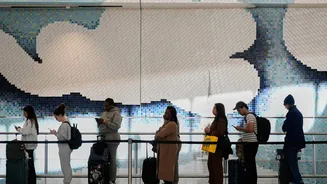
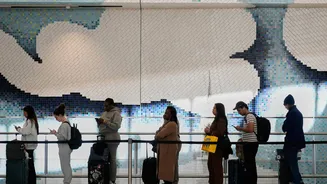
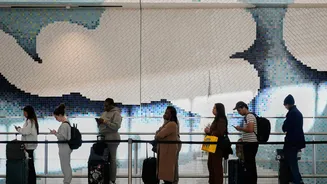
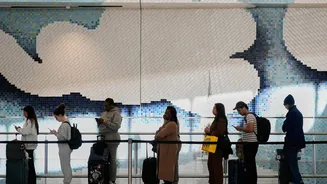
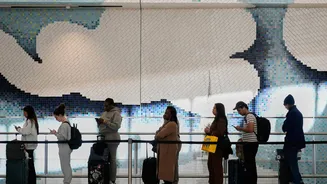
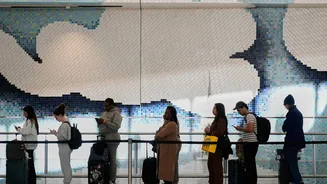
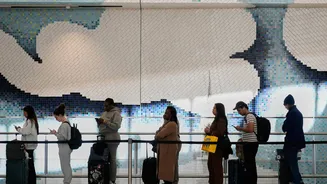
As travel expenses rise, business travelers are reevaluating their travel plans. Bill Moorehouse, a solutions director, noted that the current uncertainty may lead him to limit his travel. He stated, “When you have business trips and you have a carefully coordinated schedule, you don’t want unknowns and disruptions.”Richard Groberg, an investment banker, expressed similar concerns, indicating he plans to book travel as early as possible to secure favorable fares. He remarked, “As travel becomes more expensive, that becomes a tougher decision to make those investments.”
For some, like Anna Del Vecchio, the rising costs have already affected travel decisions. She shared her annual tradition of visiting family and friends but indicated that soaring ticket prices have led her to postpone her trip.