








What is the story about?

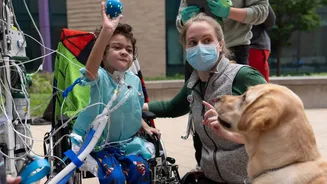
CINCINNATI (AP) — Five-year-old Calvin Owens enjoyed a rare moment outside after more than a month in the hospital, playing with his facility dog, Hadley,
on a patio. Despite being attached to medical equipment, Calvin managed to stand and toss a ball for Hadley, bringing smiles to the caregivers around him. Facility dogs like Hadley, specially trained to support young patients, are becoming increasingly common in children's hospitals across the United States. These dogs help provide emotional support during stressful medical procedures and encourage children to engage in physical activity, ultimately making the hospital environment less intimidating.
The Role of Facility Dogs
Facility dogs differ from traditional therapy dogs as they are full-time, specially trained canines dedicated to providing emotional support and motivation to pediatric patients. Research indicates that interactions with these dogs can enhance children's well-being, alleviate pain, and lower stress levels, including cortisol and blood pressure.“These dogs are making a real difference,” noted Kerri Rodriguez, director of the Human-Animal Bond Lab at the University of Arizona. “They can provide a little bit of normalcy, a little bit of comfort, in a really stressful, sterile environment that kids might not feel comfortable in.”
Growth of Facility Dog Programs
While there is no official tracking of facility dogs in children's hospitals, the increasing attendance at the annual Facility Dog Summit reflects a growing trend. This event saw nearly double the participation from 2024 to 2025, with children's hospitals leading the charge in implementing these programs.Several prominent hospitals, including Mount Sinai Kravis Children’s Hospital and Johns Hopkins Children’s Center, have integrated facility dogs into their operations. These hospitals typically acquire dogs through nonprofit organizations that specialize in training and placing facility dogs with healthcare professionals.
Operational Considerations
Hospitals do not purchase facility dogs but are responsible for ongoing expenses such as food and veterinary care. Many hospitals rely on fundraising or grants to cover these costs, especially since larger breeds like Labradors and golden retrievers are commonly used.Research supports the efficacy of animal-assisted therapies, with studies highlighting their positive impact on pain management, anxiety reduction, and overall patient comfort. Facility dogs are permitted in sensitive areas of hospitals, often working within specialized units to provide support where it is needed most.
A Day in the Life of Hadley
Hadley's daily routine begins when her handler, Schellie Scott, arrives at the hospital. While Hadley primarily interacts with patients, she also enjoys playtime with fellow facility dogs, showcasing her playful nature.“Hadley loves life,” Scott expressed. “Hadley lives big.” Inside the hospital, Hadley garners attention from both patients and staff, often appearing in hospital-produced videos and receiving letters from young patients.
Patient Interactions
Children undergoing long-term treatment often develop strong bonds with facility dogs. For instance, 14-year-old Aspen Franklin, who has been hospitalized for a serious immune disorder, finds comfort in Hadley's presence, stating, “She has a calming presence. That is a comfort to me.”As Hadley interacts with various patients, she encourages them to engage in activities that promote physical movement, such as fetching balls. Eleven-year-old Bethany Striggles, who recently completed chemotherapy, remarked, “She helps me exercise more. She’s energetic and happy and always likes to see me.”
Ensuring Hygiene and Safety
Maintaining cleanliness is essential for facility dogs working in hospitals. Hadley receives regular baths to minimize the risk of infection, especially in areas where children have compromised immune systems. Handlers take precautions to ensure hygiene by using easily sanitized equipment and requiring hand sanitization before and after interacting with the dogs.In situations where a patient is in isolation, facility dogs typically remain outside the room, except in rare cases where their presence may provide comfort to a dying child. Caregivers prioritize the emotional needs of patients while adhering to safety protocols.