






What is the story about?

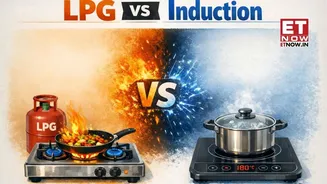
LPG VS Induction Stove Cost: As the ongoing US-Israel-Iran conflict escalates, a possible LPG crisis has raised concerns in India. Many households are
now exploring alternative cooking options in case of a shortage or price increase.
Induction vs LPG: Which one is cheaper?
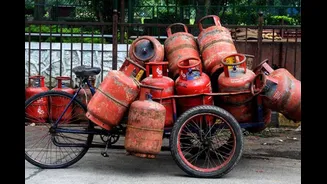
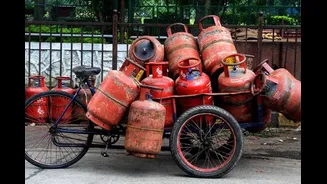
According to multiple reports, LPG cooking is much less efficient than induction cooking. A gas flame can lose about 60 per cent of its heat to the surrounding air, which means only about 40 per cent of the energy paid for is actually used for cooking. Currently, a standard 14.2 kg non-subsidised LPG cylinder costs around Rs 913 in cities like Delhi.
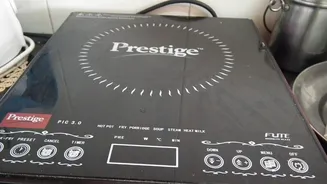
Induction cooktops, on the other hand, boast an impressive 90 per cent efficiency since heat is generated directly in the vessel, minimising heat loss. To match the heat output of a full LPG cylinder, an induction stove would need about 78 units of electricity. Even with a steep tariff of Rs 8 per unit, the electricity bill would come out to be around Rs 624, translating to a monthly saving of roughly Rs 300 over LPG.
However, the catch is that higher electricity consumption might bump up some households to pricier billing slabs, hiking their monthly bills.
Meanwhile, switching entirely to induction cooking involves some initial costs. Customers must first purchase an induction cooktop, which typically costs between Rs 2,000 and Rs 4,000, roughly the same as a mid-range gas stove.
Additionally, induction cooking requires compatible cookware, such as stainless steel or cast-iron pots with flat bottoms. Purchasing a complete set of such cookware can add several thousand rupees to the initial investment.
Studies show that despite these expenses, the low daily operating costs of induction cooking allow a typical household to recoup its investment in about a year.
Induction cooktops also keep the kitchen cooler and are easier to clean, reducing the need for increased ventilation and additional cleaning.
Nevertheless, induction cooking isn't always practical for commercial spaces like restaurants and hotels. The capital investment required for large-scale electric cooking equipment can be two to three times higher than for LPG-based systems. For example, converting an existing commercial kitchen to electric cooking may require compatible burners costing approximately Rs 3.5 lakh.
Furthermore, because induction stoves rely entirely on electricity, a power outage or backup system can disrupt operations in restaurants and hotels, making LPG a more reliable option for the hospitality industry.