




What is the story about?

DUBAI, United Arab Emirates (AP) — Israel launched a new wave of strikes on Iran on Friday after U.S. President Donald Trump claimed talks on ending the
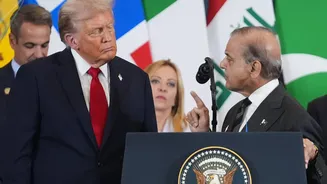
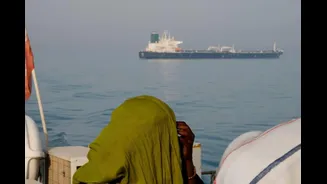
war were going well and extended the deadline for Iran to open the Strait of Hormuz, despite no indications of Iranian compliance. As stock markets falter and the economic repercussions of the conflict spread beyond the Middle East, Trump faces mounting pressure to address Iran's control over the strait, a vital passage for a significant portion of the world's oil supply.
The United States has proposed a 15-point ceasefire plan to Iran, which includes the relinquishment of control over the Strait of Hormuz, while simultaneously increasing troop deployments in the region, potentially signaling preparations for military action to regain control of the strait.Trump recently extended his ultimatum for Iran to reopen the strait, pushing it back to April 6, while asserting that negotiations to resolve the conflict were progressing positively. However, Iranian officials have stated that they are not participating in any discussions.
On Friday, Israel's military confirmed that its attacks targeted facilities in Tehran associated with the production of ballistic missiles and other armaments. Additional strikes also hit missile launchers and storage facilities in western Iran.
Reports of smoke rising over Beirut emerged, although Israel did not claim responsibility for any strikes in the Lebanese capital. Meanwhile, air raid sirens were activated in Israel as its military worked to intercept incoming Iranian missiles. Iran continued to launch missiles and drones at its Gulf Arab neighbors, triggering alerts in Bahrain, Qatar, and the United Arab Emirates.
Saudi Arabia's Defense Ministry reported the interception of missiles and drones aimed at Riyadh.
Kuwait reported material damage at both its Shuwaikh Port in Kuwait City and the Mubarak Al Kabeer Port, which is currently under construction as part of China's Belt and Road Initiative. This marks one of the first instances of a Chinese-affiliated project being targeted amid the ongoing conflict, despite China's continued purchase of Iranian oil.
Following Wall Street's most significant downturn since the onset of the war, Asian stock markets largely declined on Friday amid increasing skepticism about de-escalation prospects. Oil prices surged, with Brent crude reaching $107 a barrel in morning trading, marking a more than 45% increase since the beginning of the war on February 28.
Concerns surrounding Iran's grip on shipping through the Strait of Hormuz have escalated, contributing to fears of a global energy crisis. A coalition of Gulf Arab states reported that Iran has begun charging fees to vessels for safe passage through the strait.
Trump's envoy, Steve Witkoff, indicated that Washington had delivered a 15-point action list to Iran for a potential ceasefire, facilitated by Pakistan. This list includes demands for restrictions on Iran's nuclear activities and the reopening of the Strait of Hormuz.
Iran has dismissed the U.S. proposal, instead presenting its own five-point plan that calls for reparations and acknowledgment of its sovereignty over the Strait of Hormuz.
Efforts by diplomats from various nations to arrange a direct meeting between U.S. and Iranian representatives, potentially in Pakistan, are ongoing.
Egypt's Foreign Ministry announced that Foreign Minister Badr Abdelatty had engaged in phone discussions with his counterparts from Turkey and Pakistan to facilitate these talks, expressing hope that their trilateral efforts would lead to gradual de-escalation and an eventual resolution of the conflict.
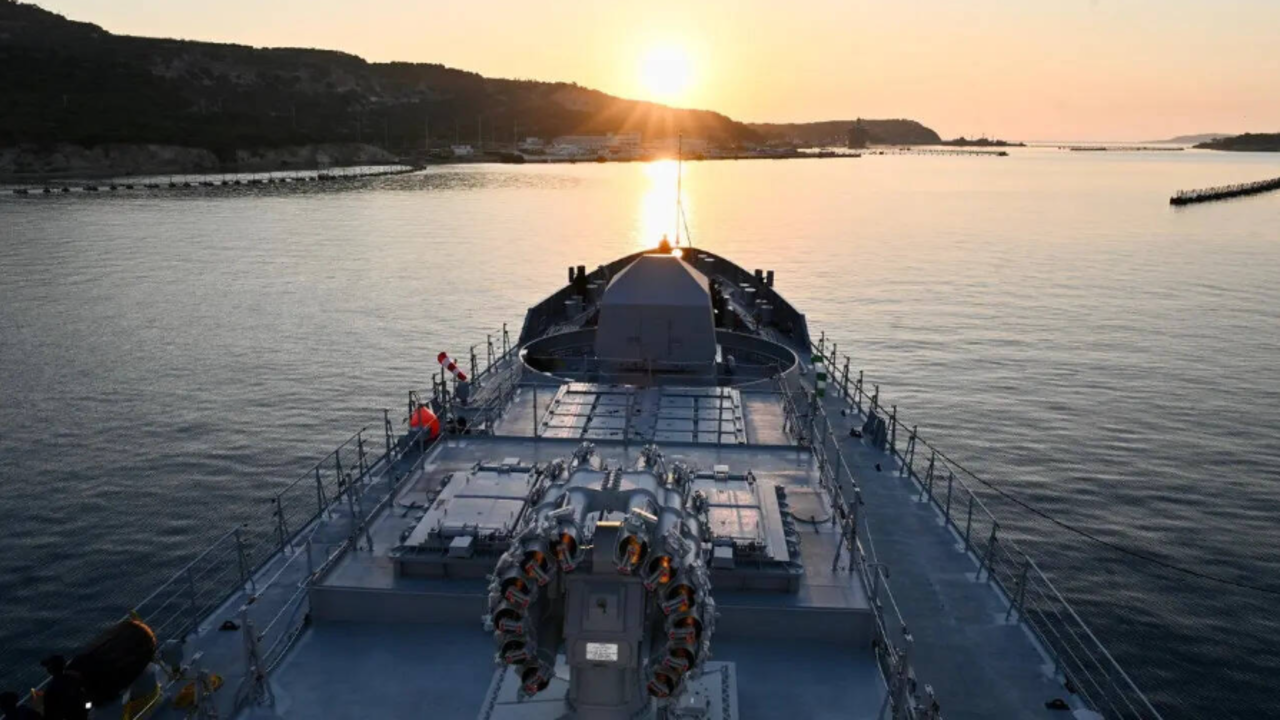
As diplomatic initiatives progress, a group of U.S. naval vessels, accompanied by approximately 2,500 Marines, has moved closer to the region. Additionally, at least 1,000 paratroopers from the 82nd Airborne Division, trained for rapid deployment in hostile environments, have been ordered to the Middle East.
Meanwhile, the U.N. Security Council is scheduled to hold closed consultations regarding Iran, as revealed by two U.N. diplomats who requested anonymity due to the private nature of the meeting. They noted that Russia had called for this session to address U.S.-Israeli attacks on civilian infrastructure in Iran, which the U.S., holding the Security Council presidency, had arranged.
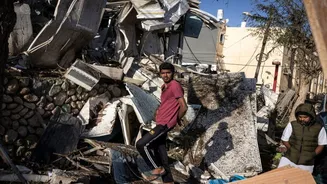
Jan Egeland, secretary general of the Norwegian Refugee Council, reported that the organization's teams in Iran have documented extensive damage to homes, hospitals, and schools, stating that nearly every neighborhood in Tehran has been affected.
Egeland emphasized that civilians are bearing the brunt of the conflict's consequences, urging for an end to the war.
The International Organization for Migration disclosed that approximately 82,000 civilian structures, including hospitals and homes of 180,000 individuals, have suffered damage in Iran thus far. Egeland warned that continued conflict could lead to a broader humanitarian crisis, potentially forcing millions to flee across borders and overwhelming already strained regional resources.
The Israeli army announced on Thursday the deployment of the 162nd Division to southern Lebanon, augmenting the troop presence in the area following the outbreak of hostilities. Israel asserts that the ongoing military operation aims to safeguard its northern border towns from Hezbollah attacks and to dismantle the militant group's presence.
Casualty figures continue to rise, with 18 reported deaths in Israel, including four Israeli soldiers killed in Lebanon. Two Israeli soldiers were seriously injured in Lebanon during an operational incident, according to military sources.
Authorities have reported over 1,100 fatalities in Lebanon and more than 1,900 in Iran. Additionally, at least 13 American service members have lost their lives, along with four individuals in the occupied West Bank and 20 in Gulf Arab nations.
In Iraq, where Iranian-backed militia groups have become involved in the conflict, 80 members of the security forces have been killed.
___
Reporting from Bangkok. Associated Press writers Giovanna Dell'Orto in Miami, Fay Abuelgasim in Cairo, Sam Mednick in Tel Aviv, Sam McNeil in Brussels, and Edith M. Lederer at the United Nations contributed to this report.