




What is the story about?

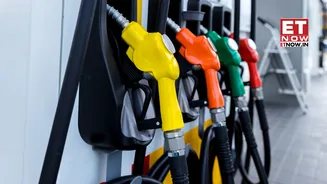
Petrol, Diesel Prices Today, April 7: On Tuesday, April 7, petrol and diesel prices across India largely remained steady, despite ongoing geopolitical
tensions in West Asia involving the United States, Israel, and Iran. Global oil markets continue to face sharp volatility due to the conflict that began on February 28, when joint US-Israel strikes disrupted key energy supply routes and pushed fuel costs higher.
Price Updates by Oil Marketing Companies
Oil marketing companies (OMCs) update petrol and diesel prices daily at 6 AM to ensure transparency and provide consumers with the latest rates.Industrial Diesel Prices Hiked
State-owned companies, including Indian Oil Corporation Ltd and Bharat Petroleum Corporation Ltd, increased industrial diesel prices by Rs 28.22 per litre, a 25 per cent rise, bringing the cost to Rs 137.81 per litre. This hike applies to bulk high-speed diesel sold to commercial and industrial users.Here's how city wise petrol and diesel prices today:
| City | Petrol Prices/ltr | Diesel Prices/ltr |
| Delhi | 94.77 | 87.67 |
| Mumbai | 103.54 | 90.03 |
| Kolkata | 105.41 | 92.02 |
| Chennai | 101.06 |
92.61 |
| Ahmedabad | 94.68 | 90.35 |
| Bengaluru | 102.96 | 90.99 |
| Hyderabad | 107.46 | 95.70 |
| Jaipur | 104.36 | 89.88 |
| Lucknow | 94.84 | 87.98 |
| Pune | 104.29 | 90.81 |
| Chandigarh | 94.30 | 82.45 |
| Indore | 106.97 |
92.33 |
Global Oil Market Trends
Global crude oil prices hovered around $115 per barrel. US crude traded at USD 114.25 per barrel, up 1.6 per cent, while Brent crude reached approximately $110.57. The rise reflects concerns over potential supply disruptions from the Middle East amid escalating US-Iran tensions.Iran tightens control over the Strait of Hormuz
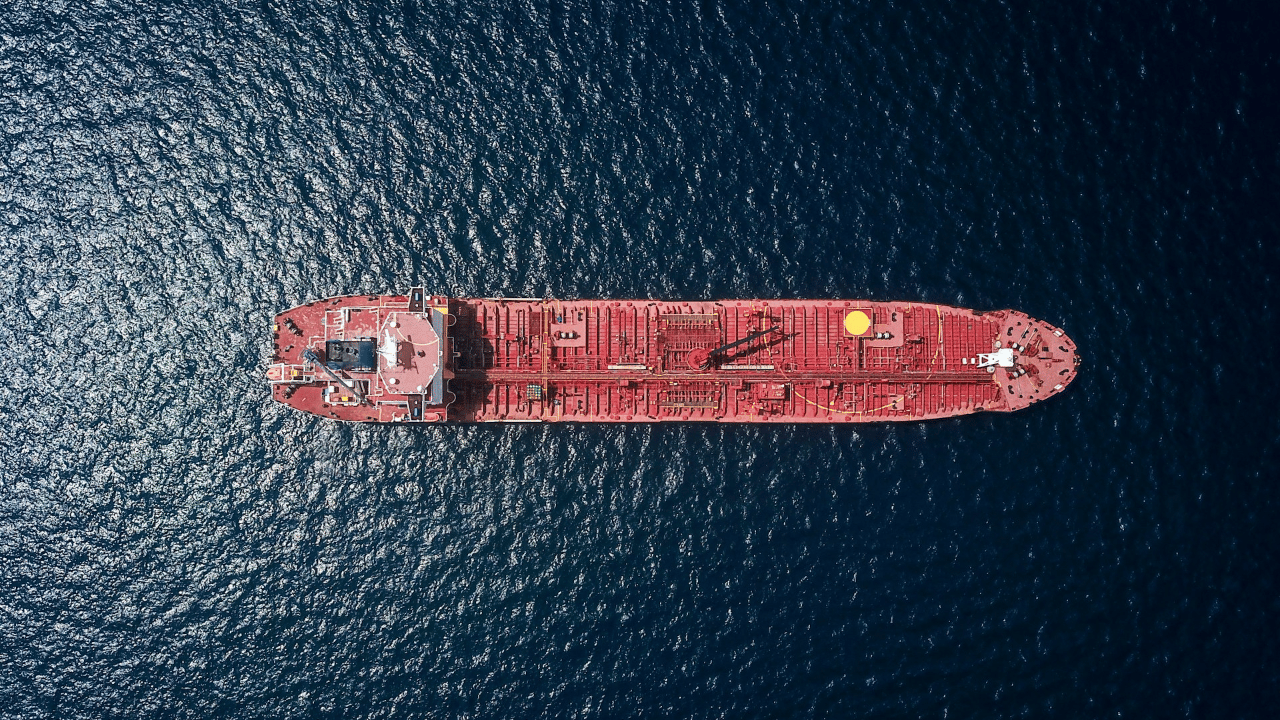
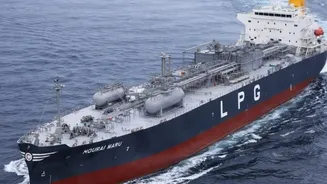
In response to the February 28 strikes, Iran has strengthened its control over the Strait of Hormuz, a key shipping route. Maritime data shows that around 60 per cent of commodity-carrying ships passing through the strait either originate from or are destined for Iran, further affecting global fuel supply and market stability.The Strait of Hormuz is one of the world’s most strategically significant maritime chokepoints because it connects the Persian Gulf with the Gulf of Oman and the Arabian Sea. About 20–30 per cent of global oil trade passes through it, making it crucial for energy security. Any disruption can sharply affect global oil prices and supply.