







What is the story about?

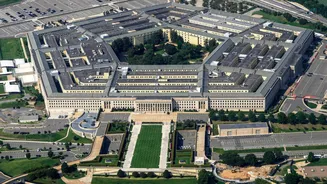
NEW YORK (AP) — In another of a series of moves restricting media access at the Pentagon, the Defense Department has declared that its press office is
now a classified space inaccessible to journalists. On X, acting Pentagon press secretary Joel Valdez confirmed the move, stating there was 'nothing controversial' about it and that it resulted from speechwriters, who handle classified material, now occupying the space.
Valdez explained, 'The Pentagon Press Office has been redesignated as a Sensitive Compartmented Information Facility due to speechwriters from the Office of the Secretary of War sharing the facility.' He added, 'These speechwriters routinely handle classified material … as a result, journalists will no longer be permitted to enter the office space. There’s nothing controversial about that.'The latest move, first reported by The Washington Post, occurred amid escalating tensions between the U.S. media and the second Trump administration, which have manifested in public disputes and legal battles. For many years, Pentagon reporters held credentials that allowed them considerable movement within the building as they sought to engage with press officials. However, in October 2022, most news outlets surrendered their access badges and exited the Pentagon rather than comply with government-imposed restrictions on their work.
The New York Times filed a lawsuit against the Defense Department on May 18, marking its second legal challenge in five months. The suit contended that the requirement for journalists to be escorted while on Pentagon grounds infringes on the First Amendment and represents 'an unconstitutional attempt by the Pentagon to prevent independent reporting on military affairs.'
The newspaper indicated that it initiated the additional lawsuit following a December action challenging a new policy imposed by Defense Secretary Pete Hegseth. This policy mandated that journalists be accompanied by escorts at all times while on Pentagon premises, introduced hastily after a federal judge ruled in favor of The Times in its initial lawsuit.
This policy took effect in March after a ruling by U.S. District Court Judge Paul L. Friedman invalidated earlier restrictions. In April, the judge determined that the interim policy violated his March order. Despite this, the escort requirement remained in effect when an appeals court stayed part of Friedman's ruling pending the government's appeal, which is still ongoing.