





What is the story about?

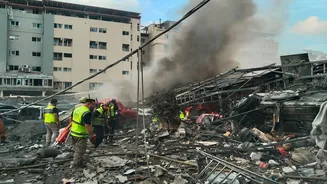
DUBAI, United Arab Emirates (AP) — Kuwait briefly shut its main airport Wednesday after Iranian drones heavily damaged a passenger terminal building, killed
one person, and wounded dozens — the latest in back-and-forth attacks by Tehran and Washington that test a fragile ceasefire. The strike again highlighted the risks to residents and travelers in Gulf countries that had considered themselves relative havens before the war, which is now in its fourth month.
Talks have dragged on for weeks as mediators seek a more enduring truce in the U.S.-Israeli war with Iran, further strained by Israel’s expanding conflict with the Iranian-backed Hezbollah in Lebanon.A regional official indicated that Iran wanted a separate ceasefire in Lebanon enforced before returning to negotiations, while U.S. President Donald Trump asserted that discussions were ongoing.
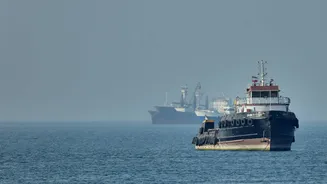
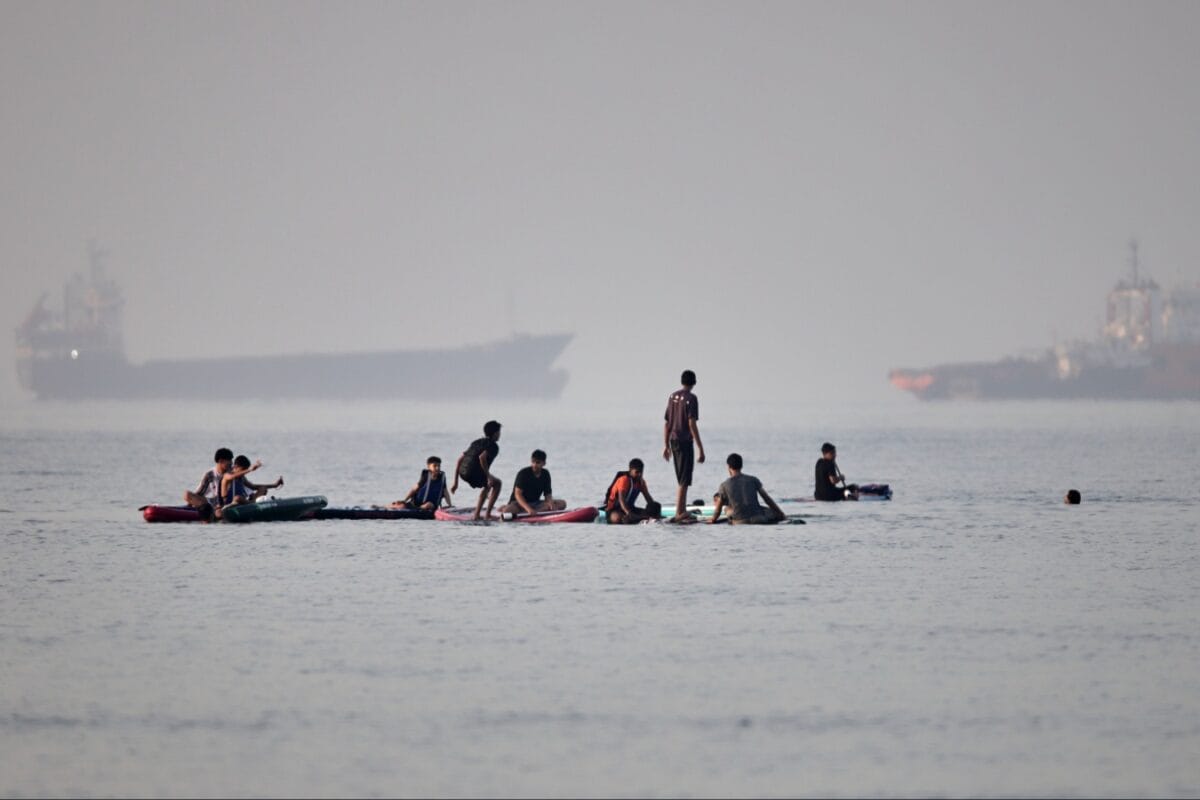
Iran continues to maintain its hold on the Strait of Hormuz, a crucial waterway for the world’s oil and natural gas, as the U.S. persists with its blockade of Iranian ports. Global fuel prices remain high, and the effects of the conflict extend well beyond the region.
Defense Ministry spokesperson Brig. Gen. Saud Abdulaziz Al-Otaibi reported that 'a number of hostile drones' targeted a passenger building at Kuwait International Airport, which had just reopened Monday after a prolonged closure due to the war that began on February 28 with U.S. and Israeli strikes on Iran.
India’s embassy confirmed that the deceased was an Indian national, with authorities reporting 63 injuries, including passengers and airport workers. Health Ministry spokesman Abdullah Al Sanad indicated that some injuries were serious.
Kuwait's Defense Ministry stated it had destroyed over a dozen missiles and drones from Iran. The Foreign Ministry declared that Kuwait will 'neither accept nor tolerate' the attacks and reserves the right to respond.
The airport partially reopened later, with Kuwait Airways flights resuming from a different terminal, as civil aviation authorities noted that no other flights were operating.
Meanwhile, the U.S. military announced that two Iranian missiles fell apart en route to Kuwait and that it had 'downed multiple drones' targeting American forces in the region.
Additionally, U.S. and Bahraini forces intercepted missiles aimed at the Gulf kingdom, home to the U.S. Navy’s 5th fleet. Bahrain’s Defense Ministry confirmed that its military intercepted and destroyed three missiles and several drones fired by Iran.
Iran’s paramilitary Revolutionary Guard acknowledged targeting the headquarters of the 5th Fleet and U.S. military facilities in another country, though it did not specify Kuwait.
Both the U.S. and Iran stated they were retaliating for earlier attacks or attempted attacks.
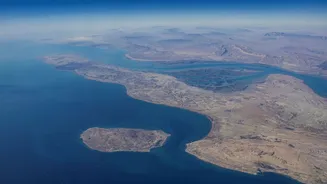
The U.S. military also confirmed strikes on an Iranian military ground control station on Qeshm Island in the Strait of Hormuz, with Iran's Foreign Ministry condemning these strikes as 'acts of aggression' that violated the ceasefire.
A senior Emirati diplomat called for 'a firm, unified, and cohesive Gulf position' against Iran following the attacks, emphasizing that 'this aggression does not target a specific state, but rather all of us,' as stated by Anwar Gargash on X.
Reports from Iran’s Fars and Tasnim news agencies, believed to be aligned with the Guard, indicated that Iran’s negotiators had ceased communication with ceasefire mediators as tensions escalated in Lebanon.
A regional official involved in the mediation, speaking anonymously, informed The Associated Press that Iran had not communicated after asserting that a ceasefire needed to be enforced in Lebanon for negotiations to continue.
Trump labeled reports of a cessation in talks 'false and erroneous,' asserting that discussions have been continuous, including updates from four days ago, three days ago, two days ago, one day ago, and today.
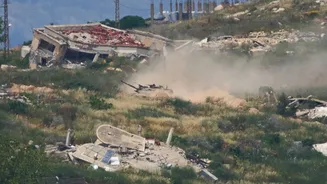
Israeli forces have advanced deeper into Lebanon than in over a quarter-century, while Hezbollah has conducted rocket and drone attacks. The declared ceasefire in Lebanon remains officially in place, with no side formally withdrawing or declaring it over despite ongoing attacks.
Iran insists that any larger potential truce must address the fighting in Lebanon. Israeli Prime Minister Benjamin Netanyahu seeks to keep the issues separate and faces domestic pressure to act against Hezbollah as elections approach this fall.
The ongoing conflict has revealed a rift between close allies Israel and the U.S., with the latter advocating for restraint.
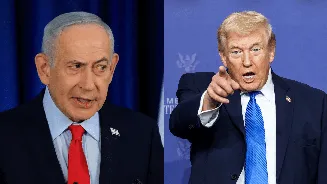
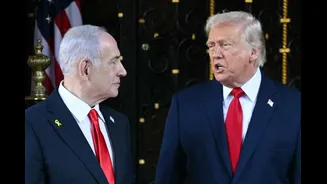
In a podcast interview released Wednesday, Trump confirmed a report that he had called Netanyahu 'crazy' during a recent phone call, expressing frustration that Israel's conflict with Hezbollah was impeding talks with Iran.
Despite these tensions, Trump affirmed that his relationship with Netanyahu remains strong, stating, 'we’ve worked very well together.'