





What is the story about?

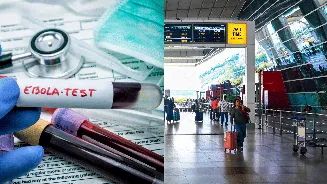
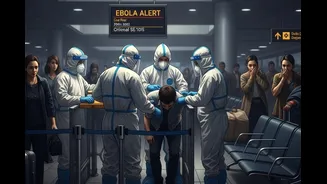
India's health machinery moved quickly this week. As Ebola cases climbed across central and east Africa, the Directorate General of Health Services quietly
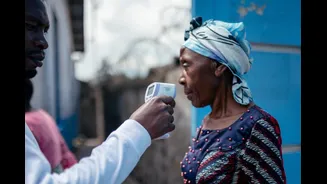
issued an advisory that started appearing at airport terminals across the country a simple cream-coloured notice carrying an urgent message for anyone arriving from three specific countries. As of May 16, eight laboratory-confirmed cases, 246 suspected cases and 80 suspected deaths had been reported across at least three health zones in Ituri Province in northeastern Democratic Republic of Congo. The numbers have moved fast since then. By May 19, DRC's Health Ministry was reporting at least 500 suspected cases and 131 deaths roughly a 30 per cent jump in fatalities in just four days.
It hasn't stayed within DRC's borders. Two laboratory-confirmed cases including one death were reported in Kampala, Uganda, within 24 hours of each other on May 15 and 16, both involving individuals who had travelled from the DRC. Uganda's confirmed case count has since risen to 12, up from just two a week earlier.
On May 17, WHO Director-General Tedros Adhanom Ghebreyesus formally declared the outbreak a Public Health Emergency of International Concern, the highest-level alert under international health law and only the eighth such declaration since the framework was modernised in 2005. He stopped short of calling it a pandemic but warned that neighboring countries face high risk of further spread.
What makes this outbreak particularly difficult to contain is where it started. The outbreak began in Mongbwalu, a busy gold-mining area in Ituri Province, close to the borders with both Uganda and South Sudan. Mining hubs draw workers from across the region — people who travel, share accommodation, and carry the virus back home before symptoms show.
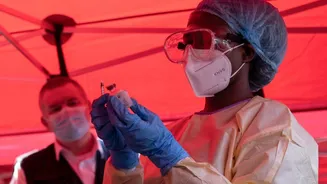
Making things harder still, health authorities confirmed this outbreak is caused by Bundibugyo virus disease — a rare strain of Ebola for which there are currently no approved vaccines or therapeutics. This is only the third time in recorded history that BVD has been reported.
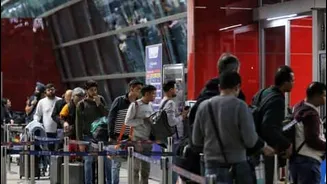
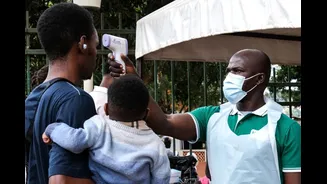
India's DGHS advisory, issued under the Airport Health Organisation, asks all passengers arriving from DRC, Uganda and South Sudan to watch for fever, weakness, headache, muscle pain, vomiting, diarrhoea, unexplained bleeding, and sore throat. Anyone who had direct contact with blood or body fluids of a suspected Ebola patient has been told to report to airport health officers before clearing immigration no exceptions.
This is the 17th recorded Ebola outbreak in DRC since the virus was first identified in 1976. Each time, the world has contained it. The race to do so again has already begun.