






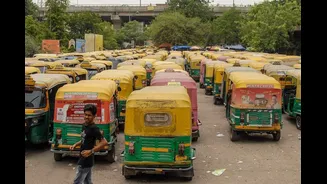

While trying to book a cab for work this morning, I realised something was seriously off. I raised the fare to Rs 380 even though the maximum fare from
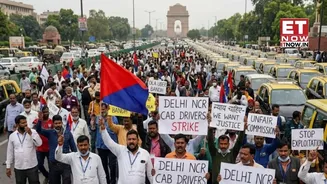
my house to office is usually around Rs 200, except on rainy days. Still, no one accepted the ride. The story was the same across Uber, Ola and Rapido. I tried booking an auto next, but that failed too. Thinking I would easily find one outside the society gate, I walked out expecting the usual queue of at least 20 autos parked nearby. There was not a single one in sight. In a city like Delhi-NCR, where app cabs and autos are practically part of the daily survival kit for office-goers, the silence on the roads felt unusual. That was when the reality of the three-day ‘chakka jam’ truly hit. From corporate workers stranded outside metro stations to airport passengers struggling with luggage, Delhi-NCR woke up to one of its biggest transport disruptions in recent months as more than 68 transport unions launched a coordinated strike across the region from May 21 to May 23. The protest, led by the All India Motor Transport Congress and backed by the Chalak Shakti Union, is not just about ride cancellations or surge pricing. It is a larger outcry from drivers who say rising fuel prices, app commissions and mounting operational costs have made it impossible to survive in the business anymore.
Why are cab and auto drivers protesting across Delhi-NCR?
According to transport unions, the agitation has been brewing for years. Drivers claim fares in Delhi-NCR have barely seen meaningful revision in nearly 15 years despite repeated hikes in petrol, diesel and CNG prices. Many drivers say their earnings have reduced drastically even as their working hours have increased.
The latest trigger came after revised Environment Compensation Cess charges on commercial vehicles entering Delhi. Drivers and commercial vehicle owners are also opposing the proposed restrictions on BS-4 and older commercial vehicles from November 2026. Union leaders argue that such policies could affect lakhs of livelihoods and disrupt supply chains across the NCR region.
Did you know?
Delhi is among the largest markets for app-based mobility in India, with lakhs of daily rides booked across platforms like Uber, Ola and Rapido every single day.What exactly are the unions demanding?
The protesting unions say the issue is no longer temporary financial stress but long-term survival. They are demanding immediate fare revisions and stronger protection for drivers operating through app-based platforms.
The demands include revision of taxi and auto fares, rollback of increased ECC charges, regulation of aggregator commissions, relief from rising fuel costs and review of BS-4 restrictions. They are also asking the government to consult transport workers before introducing major policy changes that directly impact their income.
Several drivers claim that per-kilometre earnings which once crossed Rs 30 have now dropped to nearly Rs 15 or Rs 16 in certain categories. Add fuel bills, vehicle maintenance, insurance and EMIs into the mix, and many say they are barely managing household expenses.
Which services are being affected the most?
The biggest impact is visible in app-based transport and last-mile connectivity. Office commuters, especially in Gurugram, Noida and central Delhi, are facing long waiting periods and massive surge pricing during peak hours.
Areas near metro stations, railway stations and commercial hubs are witnessing heavy crowding as commuters struggle to find autos and cabs. Airport travellers are also reporting delays due to limited cab availability.
Delhi Metro and DTC bus services, however, continue to function normally, offering some relief to commuters.

Which parts of Delhi-NCR are seeing maximum disruption?
The impact varies across the region, but office-heavy zones are among the worst affected. Gurugram’s Cyber City and corporate sectors are seeing major disruptions during office hours, while residential sectors in Greater Noida and Noida are facing reduced cab availability.
Connaught Place is witnessing sharp surge pricing, while areas around railway stations and transit hubs are experiencing passenger congestion due to fewer autos on the road. South Delhi, East Delhi and West Delhi are also reporting longer waiting periods for commuters.
Are app-based companies being blamed?
Yes, and quite strongly. One of the loudest criticisms during the strike has been directed at ride aggregator platforms. Driver unions allege that companies continue increasing commissions while reducing driver incentives and payouts.
The Chalak Shakti Union has accused platforms of creating what it calls an “imbalanced system” where drivers work longer hours for lower earnings while companies continue expanding their businesses. Drivers also claim that pricing algorithms do not account for rising operational expenses borne by them daily.
Interestingly, this debate is not limited to India. Across the world, gig workers associated with ride-hailing platforms have increasingly raised concerns over earnings, commissions and lack of social security.
What did unions tell the Delhi government?
Ahead of the strike, the All India Motor Transport Congress wrote to Delhi Chief Minister Rekha Gupta seeking urgent intervention. The unions warned that if discussions over fare revisions and policy relief continue to be delayed, the agitation could intensify further.
They argued that middle-class drivers are struggling to support their families amid rising petrol, diesel and CNG prices. Several union leaders also pointed out that many commercial drivers cover nearly 150 to 250 kilometres daily, making fuel prices one of their biggest expenses.
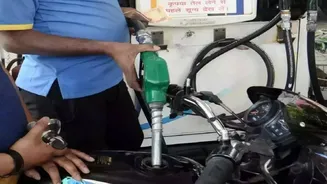
What are fuel prices in Delhi today?
Here is a look at current fuel prices in Delhi compared to previous rates:
| Fuel Type | Current Price | Previous Price | Increase |
| Petrol | Rs 98.64/litre | Rs 97.77/litre | Nearly Rs 0.87 |
| Diesel | Rs 91.58/litre | Rs 90.67/litre | Nearly Rs 0.91 |
| CNG | Rs 80.09/kg | Around Rs 77/kg | Around Rs 3 increase |
How badly are commuters suffering?
For many office-goers, today felt like a reminder of how dependent urban life has become on app-based mobility. Metro stations across Delhi-NCR saw larger crowds than usual, while commuters scrambled to arrange carpools or rely on buses. Surge pricing added another layer of frustration. Some users reported fares nearly doubling during rush hours due to low vehicle availability. Last-mile connectivity emerged as one of the biggest challenges, especially for those travelling from metro stations to offices or residential sectors.
What stood out most was the absence of autos from their usual spots. In many residential pockets of Delhi-NCR, commuters found themselves waiting far longer than expected simply because there were hardly any vehicles on the roads.
Could the protest continue beyond three days?
At the moment, the strike is expected to continue till May 23. However, unions have hinted that a larger or indefinite agitation could follow if their demands are ignored. For commuters, the next few days may require extra travel time, patience and backup plans. For drivers, the protest is about something deeper than a temporary shutdown. They say it is about dignity, sustainability and being heard in a transport ecosystem that increasingly depends on them but, according to unions, does not adequately protect them.
Disclaimer: This article is based on ongoing developments, commuter experiences and statements issued by transport unions. Transport operations and official decisions may change over time.