









What is the story about?

LPG relief for food businesses: At a time when kitchens across India—from bustling roadside dhabas to large hotel chains—are keeping a close eye on fuel
availability, the Centre has stepped in with a decisive move. On Saturday, the government announced a fresh boost to commercial LPG supplies, responding to growing concerns triggered by the ongoing conflict in West Asia. The decision is not just about numbers on paper; it directly affects how millions of meals are cooked every day across the country. With supply chains under pressure globally, this intervention aims to ensure that India’s food ecosystem continues to function without disruption, even as geopolitical tensions ripple through energy markets.
LPG relief for food businesses: A Timely Increase in Supply
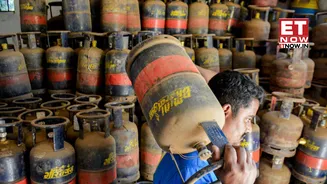
The Ministry of Petroleum and Natural Gas has approved an additional 20% allocation of commercial LPG to States and Union Territories. This takes the total enhanced allocation to 50%, building on an earlier 10% increase. Officials said the move is designed to ease pressure on commercial establishments that depend heavily on LPG, particularly as uncertainties in global fuel logistics continue. The decision also aligns with the government’s broader push towards expanding piped natural gas (PNG), offering a transitional cushion for sectors yet to fully shift.

Who Benefits the Most
The additional supply is not being spread thin. Instead, it is being directed towards sectors where LPG usage is both essential and high.
- Restaurants, dhabas and hotels that rely on daily LPG consumption
- Industrial canteens, food processing units and dairy operations
- Subsidised canteens, community kitchens and state-run food outlets
This targeted approach ensures that essential services—especially those linked to food and public welfare—remain unaffected. Alongside this, the government has also earmarked 5 kg free trade LPG cylinders (FTL) specifically for migrant workers. This is expected to offer some relief to a segment that often faces the brunt of supply fluctuations.
LPG relief for food businesses: Ground-Level Implementation Already Underway
The policy is not just an announcement—it is already being rolled out across the country. So far, 20 States and Union Territories have issued orders aligning with the Centre’s guidelines for non-domestic LPG allocation. In regions yet to formalise directives, public sector oil marketing companies have stepped in to ensure continued supply.
In just the past week, commercial users across these areas have lifted approximately 13,479 metric tonnes of LPG. This indicates both strong demand and active distribution on the ground.
Supply Concerns, But No Panic
While the government has acknowledged that LPG supply remains a sensitive issue due to the geopolitical situation, it has also sought to reassure consumers. There have been no reported stock-outs at LPG distributorships so far. Deliveries, officials said, are largely proceeding smoothly, supported by the Delivery Authentication Code (DAC) system. This system has helped streamline distribution and reduce irregularities.
Interestingly, panic booking—often seen during uncertain times—has also declined in recent days. Domestic LPG delivery, according to the government, continues to remain stable.
The Larger Crisis Behind the Move
The backdrop to this decision lies far beyond India’s borders. The ongoing conflict in West Asia has disrupted not just energy supply chains but also travel and maritime routes.
- Around 3.3 lakh passengers have returned to India since February 28
- Aviation remains partially affected, with limited but steady operations
- 22 Indian-flagged vessels with 611 seafarers are still stranded in the western Persian Gulf
At the same time, evacuation efforts have made progress, with over 534 Indian sailors brought back safely so far. However, the situation has not been without tragedy—six Indian nationals have lost their lives, and one person remains missing, according to official updates.

Did You Know?
India is among the world’s largest consumers of LPG, with millions of commercial establishments depending on it daily. Even a small disruption in supply can have a cascading effect on food prices, hospitality services, and small businesses.
A Balancing Act Ahead
The government’s decision reflects a careful balancing act—managing domestic stability while navigating global uncertainty. By prioritising essential sectors and ensuring steady supply, it is attempting to prevent disruptions where they would be felt most immediately: in kitchens, eateries, and community food systems. For now, the message is clear. Despite global headwinds, the flame in India’s kitchens is expected to keep burning steadily.