







What is the story about?

It is more expensive than silver. Gram for gram, it costs more than gold in some markets. And right now, it is hanging from a tree in a quiet tribal village
in one of Odisha's most remote districts, tended by a farmer who guards it through the night and has no idea who to sell it to. The Miyazaki mango, a Japanese luxury fruit that fetches close to Rs 3 lakh per kilogram in international markets, has found an unlikely home in Tamasa village, Malkangiri, thanks to one man's four years of quiet, stubborn patience.
A Fruit Born in Japan, Prized Across the World
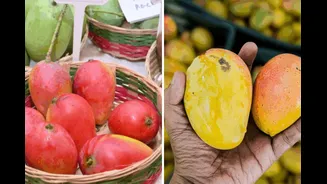
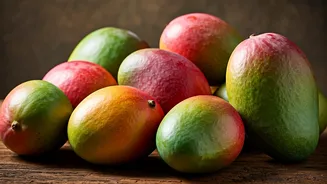
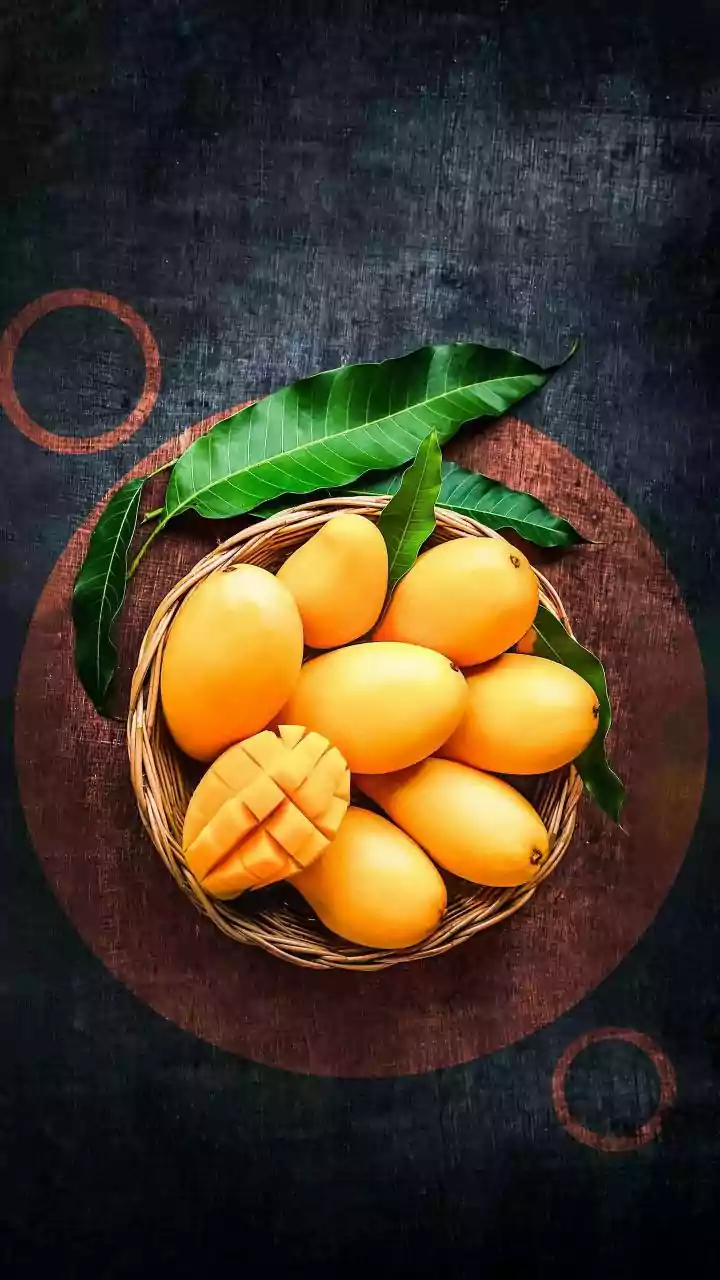
The Miyazaki mango originates from the Miyazaki prefecture on Japan's Kyushu island, where it is grown under carefully controlled conditions that most farmers elsewhere could not replicate even if they tried. Known in Japan as "Taiyo no Tamago" or Egg of the Sun, the fruit is instantly recognisable by its deep reddish-purple skin, intensely sweet flavour and soft, fiberless flesh that bears little resemblance to the fibrous mangoes most Indians grow up eating.
In Japan, top-grade Miyazaki mangoes are auctioned formally and frequently presented as high-value gifts on important occasions. The fruit's staggering price is a product of its scarcity, the painstaking care its cultivation demands, strict grading systems and decades of luxury branding. It is not simply a mango. In Japan, it is a status symbol wrapped in fruit skin.
How a Sapling Changed a Farmer's Life
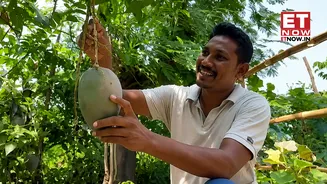
Deba Padiyami, a tribal farmer from Tamasa village, received the Miyazaki sapling from social worker Saraba Kumar Bisoyi some years ago. Along with the plant came some basic information about what made this particular variety so extraordinary and so valuable globally. For a farmer in Malkangiri with no background in Japanese horticulture and no guarantee of success, it was an unusual proposition.
Deba planted it anyway. He watered it, watched over it, and waited through four full years of uncertainty. The climate of Malkangiri, far removed from the controlled greenhouse environment of Miyazaki prefecture, was never going to make things easy. Yet the tree survived, adapted and eventually did something that has now made Deba something of a local celebrity: it bore fruit.
Visitors, Curiosity and Sleepless Nights
Word of the rare mango spread rapidly through surrounding villages and the orchard at Tamasa began drawing a steady stream of curious visitors wanting to see the famous fruit for themselves. The attention brought excitement but also a problem Deba had not anticipated.
Aware of how much the mangoes are reportedly worth, he has started guarding the tree after dark, unwilling to risk losing what he spent four years growing. "I stay near the orchard because these mangoes are valuable and I don't want anyone to steal them," he said. It is a striking image: a farmer standing night watch not over livestock or grain, but over a fruit tree whose produce could theoretically fetch more per kilogram than most people in his village earn in a year.

The Bigger Challenge: Finding a Buyer
Growing the Miyazaki turned out to be the easier half of Deba's challenge. Selling it is proving far more complicated. He has no connections with luxury fruit traders, no links to export networks, and no familiarity with the certification and grading processes that determine whether a Miyazaki mango actually commands its international price or gets sold for a fraction of its worth locally.
"I heard these mangoes are sold at very high prices, but I don't know where to sell them or whom to contact," Deba said plainly. It is an honest admission that points to a structural gap far larger than one farmer's situation. Horticulture experts note that realising the true value of a Miyazaki mango requires cold chain infrastructure, export documentation, quality certification and access to the right buyers. Without that, even the rarest fruit risks being sold at an ordinary price.
More Than Just a Mango Tree
Deba Padiyami's story has resonated across Odisha not simply because of the fruit but because of what surrounds it. Malkangiri is not a district associated with exotic horticulture. It is remote, forested and far from the supply chains that deal in luxury agricultural produce. That a tribal farmer here, working without formal training or institutional support, managed to grow a Japanese luxury fruit over four years of patient effort is the kind of story that travels.
The mango is real. The tree is bearing fruit. What Deba needs now is not admiration alone but the market connections, institutional support and agricultural outreach that can turn four years of hard work into a fair return. Until then, he will keep standing watch under that tree each night, guarding something extraordinary that the world has not yet come to collect.