The Constitution of India was not adopted on January 26. That happened on November 26, 1949. So why wait two months to bring it into effect?
The answer lies in 1930.
The 1930 resolution that changed the meaning of January 26
On January 26, 1930, the Indian National Congress adopted the Purna Swaraj resolution. It was a formal declaration demanding complete independence from British rule - not dominion status.
That day was observed across the country as Independence Day. The Congress called on Indians to pledge themselves to self-rule. The date stayed symbolic even after independence was achieved in 1947.
Read more: Republic Day 2026: What India’s first parade after Operation Sindoor will showcase
When the time came to choose a day for the Constitution to take effect, the leadership returned to January 26. The intent was clear. The Republic would begin on the same date that once represented the demand for full freedom.
Drafting the Constitution
After British rule formally ended under the Indian Independence Act of July 18, 1947, legislative authority passed to the Constituent Assembly.
A drafting committee was set up under Bhimrao Ramji Ambedkar, India’s first law minister. The draft Constitution was presented in November 1948 and debated publicly for nearly a year.
On November 26, 1949, the document was adopted. It was among the longest written constitutions in the world, defining India as a sovereign, democratic republic and a union of states.
The day of January 26, 1950
On January 26, 1950, the Constitution came into force. India formally became a republic. Rajendra Prasad took oath as the country’s first President. A 21-gun salute and the unfurling of the national flag marked the moment.
Read more: Republic Day parade tableaux 2026: Who decides the themes, how they are selected and what to expect
From then on, January 26 was declared as a national holiday.
How the day is marked today
Republic Day is observed each year with a ceremonial parade in New Delhi, showcasing military units, cultural tableaux, and constitutional values.
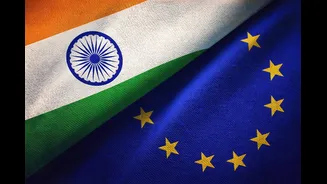
India has invited two top leaders from the European Union (EU) as chief guests this year - Ursula von der Leyen, president of the European Commission, and Antonio Costa, president of the European Council.