





What is the story about?
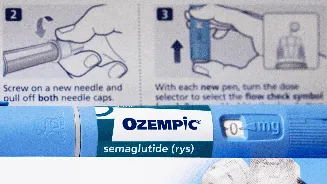
Semaglutide, the GLP-1 molecule behind Novo Nordisk’s Ozempic, Wegovy and Rybelsus, went off patent in India on March 20. From March 21, Indian companies can launch generic versions, ending the original manufacturer’s exclusive rights in the country.
This creates a clear price gap between India and markets where patents remain in force, such as the United States, Canada and parts of Europe.
India prices fall sharply, widening global gap
In India, monthly treatment is expected to drop to about ₹3,000–₹5,000, compared to around ₹11,000 earlier for branded versions. Analysts expect prices may fall further to ₹1,500–₹2,500 as more competitors enter.
This represents a 50–70 percent reduction. In contrast, patients in countries where patents are still active are likely to continue paying higher prices set by multinational companies.
Indian drugmakers including Sun Pharma, Dr Reddy’s, Zydus, Lupin, Natco and Mankind are among those entering the market. More than 40 firms may launch over 50 brands within weeks.
Also Read: Natco Pharma rolls out ‘most affordable’ semaglutide in India
What the drug does and why demand is high
Semaglutide is used for Type 2 diabetes and weight loss. It mimics the GLP-1 hormone, increasing insulin release, lowering glucose production, slowing stomach emptying and reducing appetite.
Clinical evidence shows reductions in blood sugar and weight loss of 10–15 percent or more. Cardiovascular outcome trials such as SUSTAIN-6 show a 26 percent reduction in heart attack risk and a 39% reduction in stroke risk. Studies such as FLOW show kidney protection, while ESSENCE is examining liver outcomes.
Doctors describe the drug as disease-modifying. Endocrinologist Dr Shashank Joshi called it a “game changing, disease modifying drug.” Cardiologist Dr Bhupen Desai said, “Up till now we were controlling diabetes. Now we are modulating the disease.”
Access expands, but risks remain
Lower prices are expected to expand access in India’s largely out-of-pocket system. More patients with obesity and diabetes may start treatment as costs fall. The market is projected to grow significantly, with rising demand linked to lifestyle conditions.
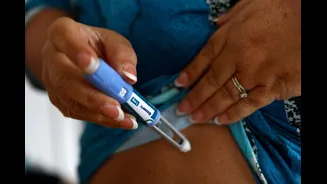
However, experts warn against misuse and unsupervised use. “These are complex, once-weekly injections requiring strict nutritional adherence and expert oversight,” Joshi said. Common side effects include nausea, while rare risks include pancreatitis, gallbladder and kidney issues.
There are also concerns about variation between products. Semaglutide is a biologic peptide produced using recombinant DNA technology. Some experts say synthetic versions may differ, while generic manufacturers maintain that approved drugs meet required standards.
Competition intensifies as global firms defend market
Novo Nordisk is responding by reducing prices, strengthening distribution and launching additional brands through partnerships with companies such as Emcure and Abbott India. It is also relying on delivery devices and cold-chain systems to maintain market share.
At the same time, competition is expected to increase with the entry of generics and the presence of rivals such as Eli Lilly. Analysts say early market conditions may include multiple brands, aggressive marketing and variation in doctor preferences.
Over time, prescribing is likely to consolidate around a smaller number of trusted products.
Shift from global pricing to local affordability
The patent expiry marks a shift from high-priced, multinational-controlled access to a competitive, lower-cost market in India. Patients in India may now access semaglutide at a fraction of global prices, while higher costs continue in countries where patent protection remains in place.
(With input from agencies)
This creates a clear price gap between India and markets where patents remain in force, such as the United States, Canada and parts of Europe.
India prices fall sharply, widening global gap
In India, monthly treatment is expected to drop to about ₹3,000–₹5,000, compared to around ₹11,000 earlier for branded versions. Analysts expect prices may fall further to ₹1,500–₹2,500 as more competitors enter.
This represents a 50–70 percent reduction. In contrast, patients in countries where patents are still active are likely to continue paying higher prices set by multinational companies.
Indian drugmakers including Sun Pharma, Dr Reddy’s, Zydus, Lupin, Natco and Mankind are among those entering the market. More than 40 firms may launch over 50 brands within weeks.
Also Read: Natco Pharma rolls out ‘most affordable’ semaglutide in India
What the drug does and why demand is high
Semaglutide is used for Type 2 diabetes and weight loss. It mimics the GLP-1 hormone, increasing insulin release, lowering glucose production, slowing stomach emptying and reducing appetite.
Clinical evidence shows reductions in blood sugar and weight loss of 10–15 percent or more. Cardiovascular outcome trials such as SUSTAIN-6 show a 26 percent reduction in heart attack risk and a 39% reduction in stroke risk. Studies such as FLOW show kidney protection, while ESSENCE is examining liver outcomes.
Doctors describe the drug as disease-modifying. Endocrinologist Dr Shashank Joshi called it a “game changing, disease modifying drug.” Cardiologist Dr Bhupen Desai said, “Up till now we were controlling diabetes. Now we are modulating the disease.”
Access expands, but risks remain
Lower prices are expected to expand access in India’s largely out-of-pocket system. More patients with obesity and diabetes may start treatment as costs fall. The market is projected to grow significantly, with rising demand linked to lifestyle conditions.
However, experts warn against misuse and unsupervised use. “These are complex, once-weekly injections requiring strict nutritional adherence and expert oversight,” Joshi said. Common side effects include nausea, while rare risks include pancreatitis, gallbladder and kidney issues.
There are also concerns about variation between products. Semaglutide is a biologic peptide produced using recombinant DNA technology. Some experts say synthetic versions may differ, while generic manufacturers maintain that approved drugs meet required standards.
Competition intensifies as global firms defend market
Novo Nordisk is responding by reducing prices, strengthening distribution and launching additional brands through partnerships with companies such as Emcure and Abbott India. It is also relying on delivery devices and cold-chain systems to maintain market share.
At the same time, competition is expected to increase with the entry of generics and the presence of rivals such as Eli Lilly. Analysts say early market conditions may include multiple brands, aggressive marketing and variation in doctor preferences.
Over time, prescribing is likely to consolidate around a smaller number of trusted products.
Shift from global pricing to local affordability
The patent expiry marks a shift from high-priced, multinational-controlled access to a competitive, lower-cost market in India. Patients in India may now access semaglutide at a fraction of global prices, while higher costs continue in countries where patent protection remains in place.
(With input from agencies)