






What is the story about?
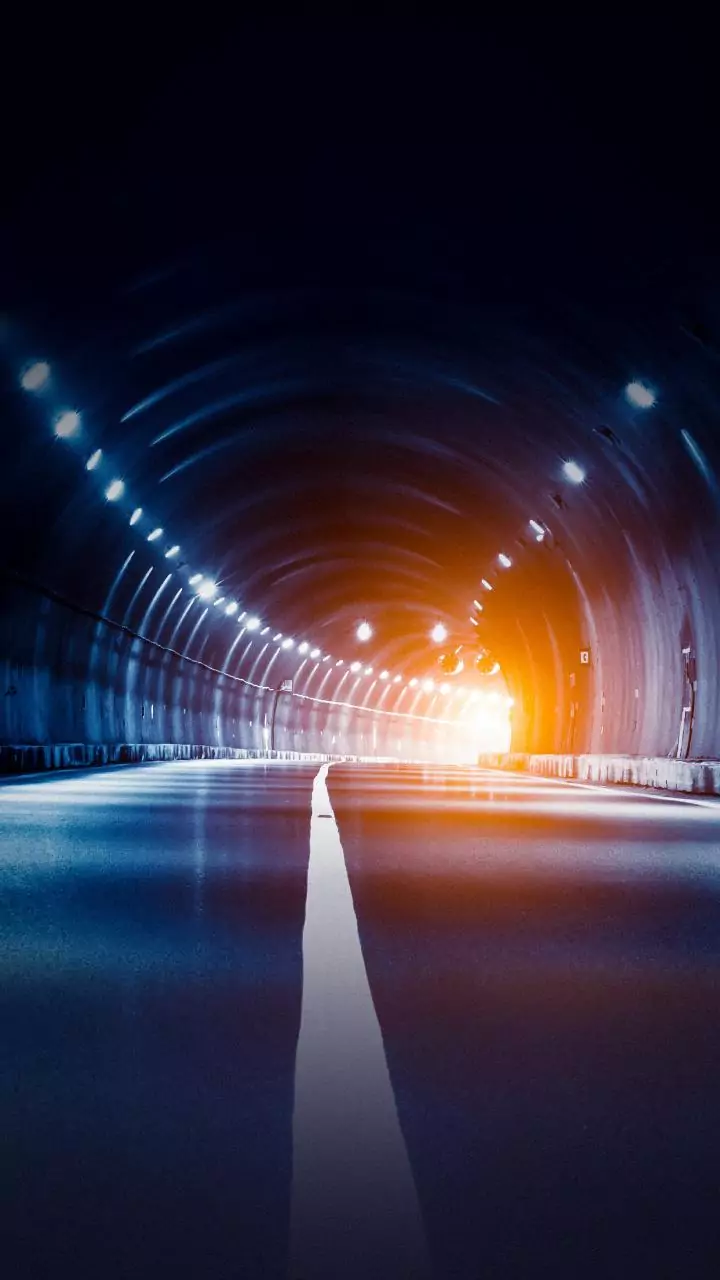
The Orange Gate–Marine Drive tunnel, meant to connect Orange Gate on the eastern side (near the Eastern Freeway) to Marine Drive on the western side of the city, will soon enter the construction phase.
The key connector in South Mumbai has also been realigned to end at Jawahar Bal Bhavan in Girgaon, according to The Indian Express.
The ₹8,056-crore project is part of initiatives to shorten travel times and improve traffic flow along the city's east-west corridor. According to officials, this is one of Mumbai's most complex subterranean road projects since the tunnel will pass beneath metro lines, railroads, historic sites, and crowded districts.
Why is Orange Gate–Marine Drive Tunnel being built?
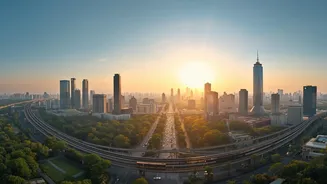
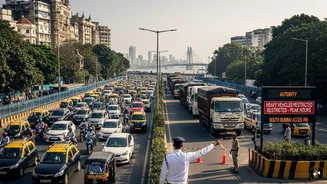
Currently, vehicles must travel across congested surface roads, including P D'Mello Road, the Carnac (Sindoor) Bridge, and the crowded GPO intersection, to reach Marine Drive and South Mumbai from the Eastern Freeway. During peak hours, this trip typically takes 25 to 30 minutes or longer.
Once the tunnel becomes functional, which is expected to be mid to end 2028, the same trip is will take around five minutes. This will relieve traffic on above-ground streets, save time, and consume less fuel.
Design and alignment
Approximately seven kilometres of the almost 10-kilometre tunnel route will be subterranean, between 12 and 52 meters below the surface.
Two parallel tunnels—one for eastbound traffic and one for westbound traffic—are used in its twin-tube design. Each tunnel will include two lanes for vehicles and an emergency lane. Cross-passages will be constructed every 300 metres for safety.
The tunnel descends to a maximum depth of around 47–52 meters to make room for existing infrastructure, such as Mumbai Metro Line 3. Advanced systems for ventilation, lighting, fire safety and traffic control will be added to satisfy contemporary safety requirements.
Orange Gate–Marine Drive Tunnel route
The Mumbai Metropolitan Region Development Authority (MMRDA) updated the Orange Gate-Marine Drive tunnel route in December 2025. The tunnel will connect the Eastern Freeway and the network of coastal roads.
Its route travels underneath approximately 700 houses, including century-old historic sites. It is a huge engineering marvel that operates under Western Railway, Central Railway, and the Metro without interfering with the current infrastructure.
After descending from Orange Gate and bending at P D'Mello Road, the tunnel would travel east-west beneath railway tracks, the JJ Flyover, Bhendi Bazaar, Khetwadi, Lamington Road and the Old Elphinstone bridge at Chinch Bunder. Following that, it will bend once again and exit close to Jawahar Bal Bhavan, near the Charni Road station on Marine Drive.
Additionally, the tunnel will improve access to locations such as Navi Mumbai and the airport by reinforcing connections with other major roads, including the Coastal Road, Eastern Freeway, and Mumbai Trans Harbour Link.
Construction progress and timeline
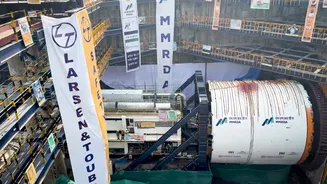
The MMRDA-led project construction contract has been granted to Larsen & Toubro (L&T). In late 2025, the Tunnel Boring Machine (TBM) was launched and constructed at the Orange Gate end, signalling the commencement of complete tunnelling construction. In 2026, a second TBM is anticipated to arrive to expedite excavation.
As of late 2025, around 15% of the construction was complete, and tunnelling was actively ongoing beneath Mumbai’s streets. Chief Minister Devendra Fadnavis inaugurated the TBM at Orange Gate on December 3, 2025. The project is expected to be operational in December 2028.
The key connector in South Mumbai has also been realigned to end at Jawahar Bal Bhavan in Girgaon, according to The Indian Express.
The ₹8,056-crore project is part of initiatives to shorten travel times and improve traffic flow along the city's east-west corridor. According to officials, this is one of Mumbai's most complex subterranean road projects since the tunnel will pass beneath metro lines, railroads, historic sites, and crowded districts.
Why is Orange Gate–Marine Drive Tunnel being built?
Currently, vehicles must travel across congested surface roads, including P D'Mello Road, the Carnac (Sindoor) Bridge, and the crowded GPO intersection, to reach Marine Drive and South Mumbai from the Eastern Freeway. During peak hours, this trip typically takes 25 to 30 minutes or longer.
Once the tunnel becomes functional, which is expected to be mid to end 2028, the same trip is will take around five minutes. This will relieve traffic on above-ground streets, save time, and consume less fuel.
Orange
Gate–Marine Drive Tunnel: A Bold Leap Toward a Smarter, Faster Mumbai
Launched 'Tunnel Boring Machine' (TBM) for 'Orange Gate to Marine Drive Urban Road Tunnel Project' in Mumbai today. For years, Eastern Freeway commuters had faced long detours and heavy congestion.… https://t.co/yKFGhRJv5H pic.twitter.com/vDGv7WJBId
— Devendra Fadnavis (@Dev_Fadnavis) December 3, 2025
Design and alignment
Approximately seven kilometres of the almost 10-kilometre tunnel route will be subterranean, between 12 and 52 meters below the surface.
Two parallel tunnels—one for eastbound traffic and one for westbound traffic—are used in its twin-tube design. Each tunnel will include two lanes for vehicles and an emergency lane. Cross-passages will be constructed every 300 metres for safety.
The tunnel descends to a maximum depth of around 47–52 meters to make room for existing infrastructure, such as Mumbai Metro Line 3. Advanced systems for ventilation, lighting, fire safety and traffic control will be added to satisfy contemporary safety requirements.
Orange Gate–Marine Drive Tunnel route
The Mumbai Metropolitan Region Development Authority (MMRDA) updated the Orange Gate-Marine Drive tunnel route in December 2025. The tunnel will connect the Eastern Freeway and the network of coastal roads.
Its route travels underneath approximately 700 houses, including century-old historic sites. It is a huge engineering marvel that operates under Western Railway, Central Railway, and the Metro without interfering with the current infrastructure.
After descending from Orange Gate and bending at P D'Mello Road, the tunnel would travel east-west beneath railway tracks, the JJ Flyover, Bhendi Bazaar, Khetwadi, Lamington Road and the Old Elphinstone bridge at Chinch Bunder. Following that, it will bend once again and exit close to Jawahar Bal Bhavan, near the Charni Road station on Marine Drive.
Additionally, the tunnel will improve access to locations such as Navi Mumbai and the airport by reinforcing connections with other major roads, including the Coastal Road, Eastern Freeway, and Mumbai Trans Harbour Link.
Construction progress and timeline
The MMRDA-led project construction contract has been granted to Larsen & Toubro (L&T). In late 2025, the Tunnel Boring Machine (TBM) was launched and constructed at the Orange Gate end, signalling the commencement of complete tunnelling construction. In 2026, a second TBM is anticipated to arrive to expedite excavation.
As of late 2025, around 15% of the construction was complete, and tunnelling was actively ongoing beneath Mumbai’s streets. Chief Minister Devendra Fadnavis inaugurated the TBM at Orange Gate on December 3, 2025. The project is expected to be operational in December 2028.