







“Food Safety and Standards Authority of India (FSSAI) is mandated to lay down science-based standards for food articles and regulate their manufacture,
storage, distribution, sale and import to ensure the availability of safe and wholesome food for human consumption.
FSSAI has developed a risk-based inspection system, under which the frequency of inspections is determined by the level of risk associated with food businesses, and has issued corresponding guidelines. Annual inspections are conducted for all food categories identified as high risk.
In its reply to the Lok Sabha, the Ministry of Health and Family Welfare said penal action is taken against defaulting Food Business Operators in accordance with the provisions of the Food Safety and Standards Act, Rules and Regulations, in cases where food samples are found to be non-conforming.”
However, ground realities, amplified by viral social media posts, paint a starkly different picture of unhygienic food preparation, adulteration, and the modus operandi of counterfeit syndicates. Instances such as everyday consumer products like soft drinks and biscuits allegedly being sold in the open market well past their expiry dates, repackaging of expired goods, and the circulation of adulterated items — along with the recent case in Delhi involving the busting of a counterfeit toothpaste manufacturing unit — point to the scale of such unfair and illegal practices being carried out, often under the regulatory watch of the Food Safety and Standards Authority of India (FSSAI).
Also Read: How to check if turmeric powder is adulterated: FSSAI shares easy home test
From paneer and soft drinks to dairy products, toothpaste, and even ginger-garlic paste, several staples that make up a large share of household consumption may not be as hygienic as they appear. Just four months into 2026, a series of enforcement actions across India has exposed the grim reality of a widespread adulteration market, with fake products being manufactured in small, illegal units, posing a significant threat to public health.
CNBC-TV18 examines recent raids and crackdowns on such illicit operations, revealing the scale at which adulteration has evolved into a full-fledged commercial enterprise.
Fake Toothpaste Racket in Delhi
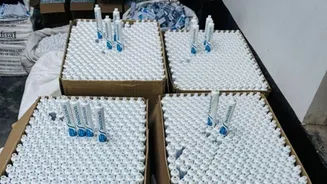
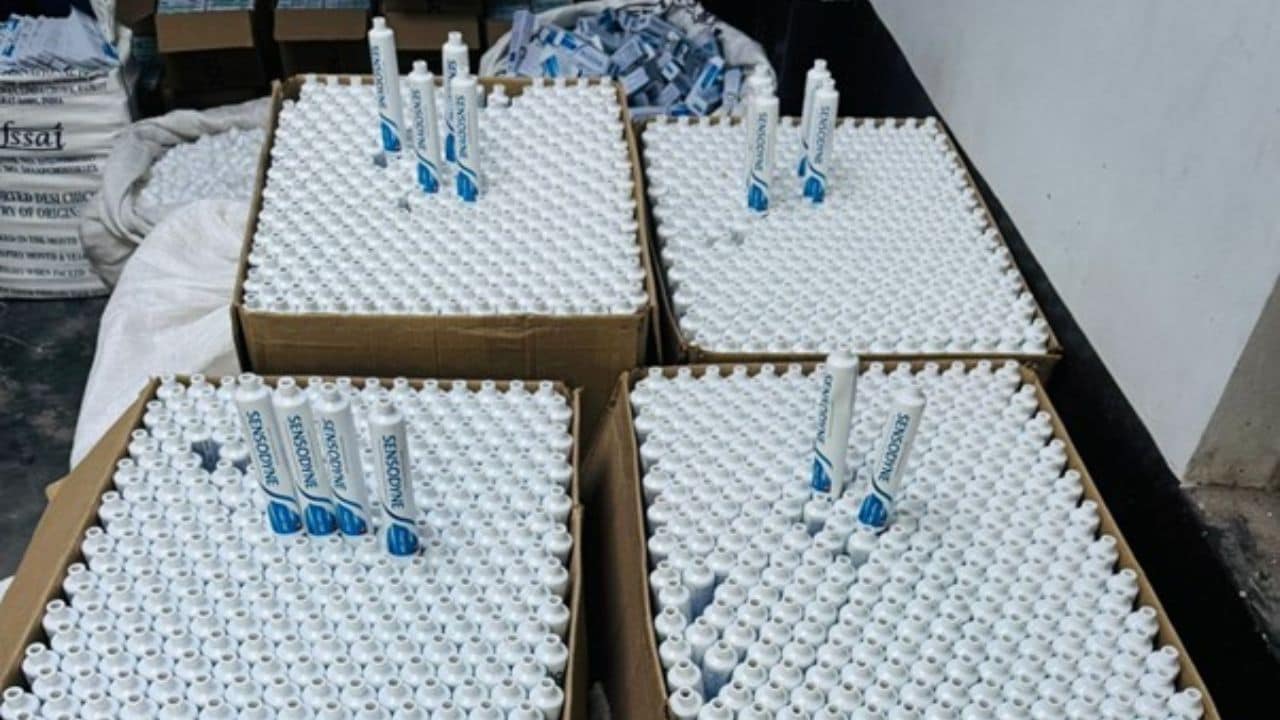
Last week on Thursday, Delhi Police Crime Branch raided a factory in which a large quantity of fake toothpaste, along with thousands of empty toothpaste tubes, packaging boxes, caps, wrappers, adhesive, a heating machine, and equipment were used for filling and sealing counterfeit toothpaste with the Sensodyne label.
The accused Hari Om Mishra admitted that he had rented the godown and was involved in filling empty Sensodyne tubes with locally prepared paste and selling them in the market without any valid license or authorisation. A case has been registered at the Crime Branch police station under relevant sections of the Bharatiya Nyaya Sanhita (BNS) and the Copyright Act.
4,000 Kg Fake Ginger Garlic Paste busted in Hyderabad
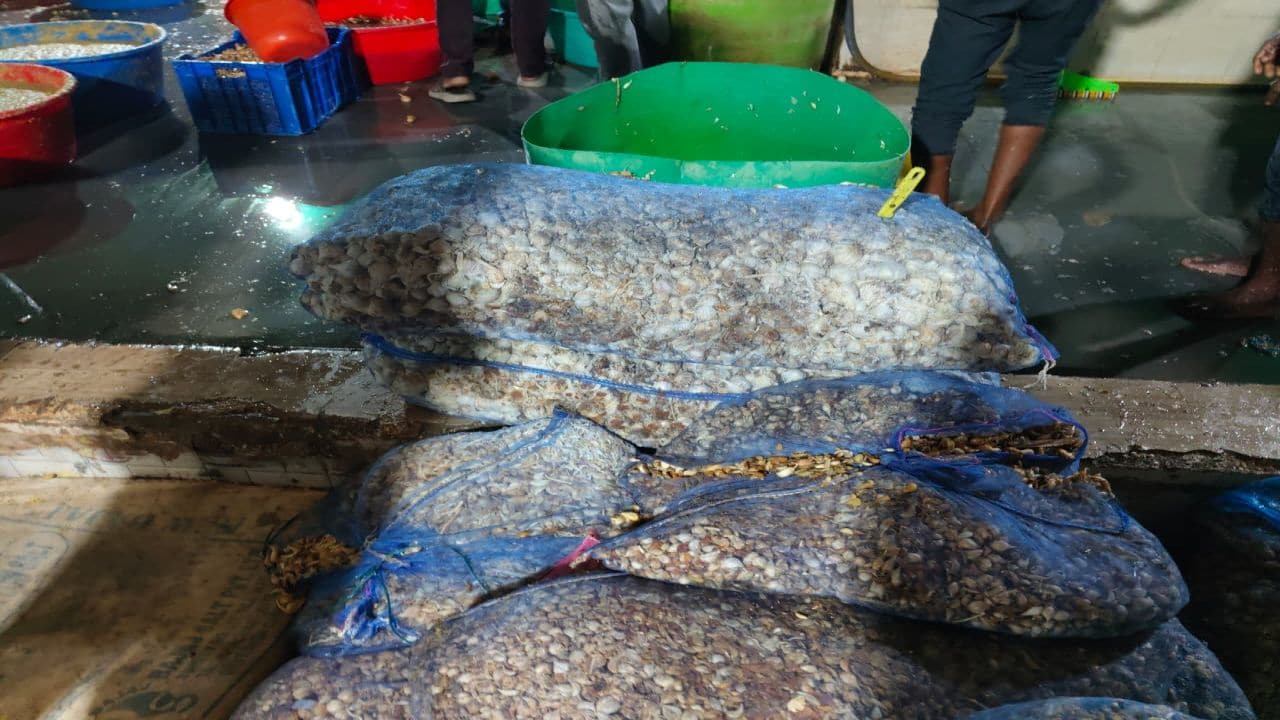
A recent food safety raid in Hyderabad by the city police uncovered a large quantity of adulterated ginger-garlic paste being supplied to restaurants and retail outlets. Authorities seized over 4,032 kg of adulterated paste, 6,210 kg of low-quality raw materials, and related items worth about ₹22 lakh.
Pictures and videos shared by the Hyderabad City Police on social media show raw garlic stored on the floor in unhygienic conditions, and the production of ginger-garlic paste taking place in unhygienic surroundings. The owner of the unit, Hasan Ali Rupani, 55, has been arrested for manufacturing adulterated ginger-garlic paste.
Surat’s Adulterated Paneer Racket Busted
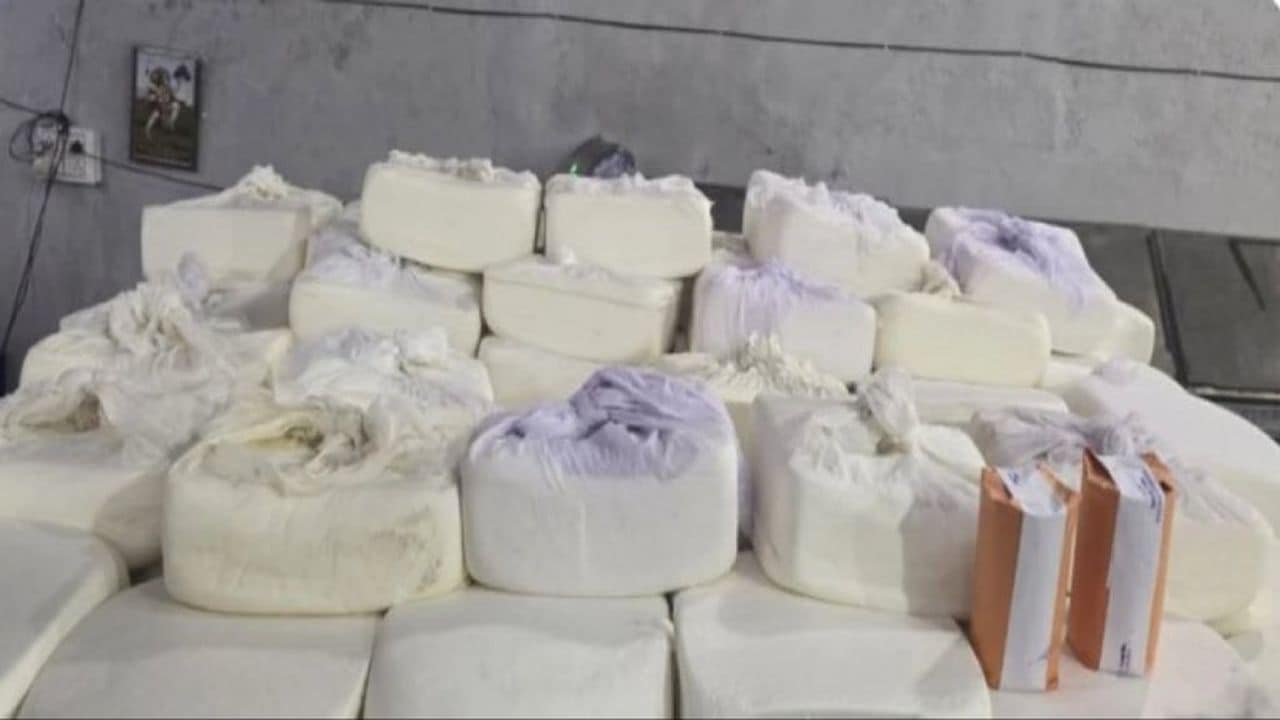
Surat Special Operation Group (SOG) sleuths seized analogue paneer and other ingredients worth ₹28.44 lakh from a godown in Surat in March this year. The unit was run by Maheshkumar Sharma, a native of Rajasthan and resident of the Althan area in Surat city.
According to reports, 1,401 kilograms of fake paneer, kept in a freezer, was found along with machinery and weighing scales worth ₹25 lakhs, plastic bags for loose cheese, stickers of non-branded analogue paneer and a huge stock of acetic acid and palm oil. The firm was selling the paneer at ₹220 per kg to different dairies. The accused had allegedly been running this illegal business for the past two years. The accused confessed to selling 400 kilograms of analogue paneer daily.
Kulfi, Falooda, Badam Milk, Chocolates and Cashews Found in Unhygenic condition in Telangana
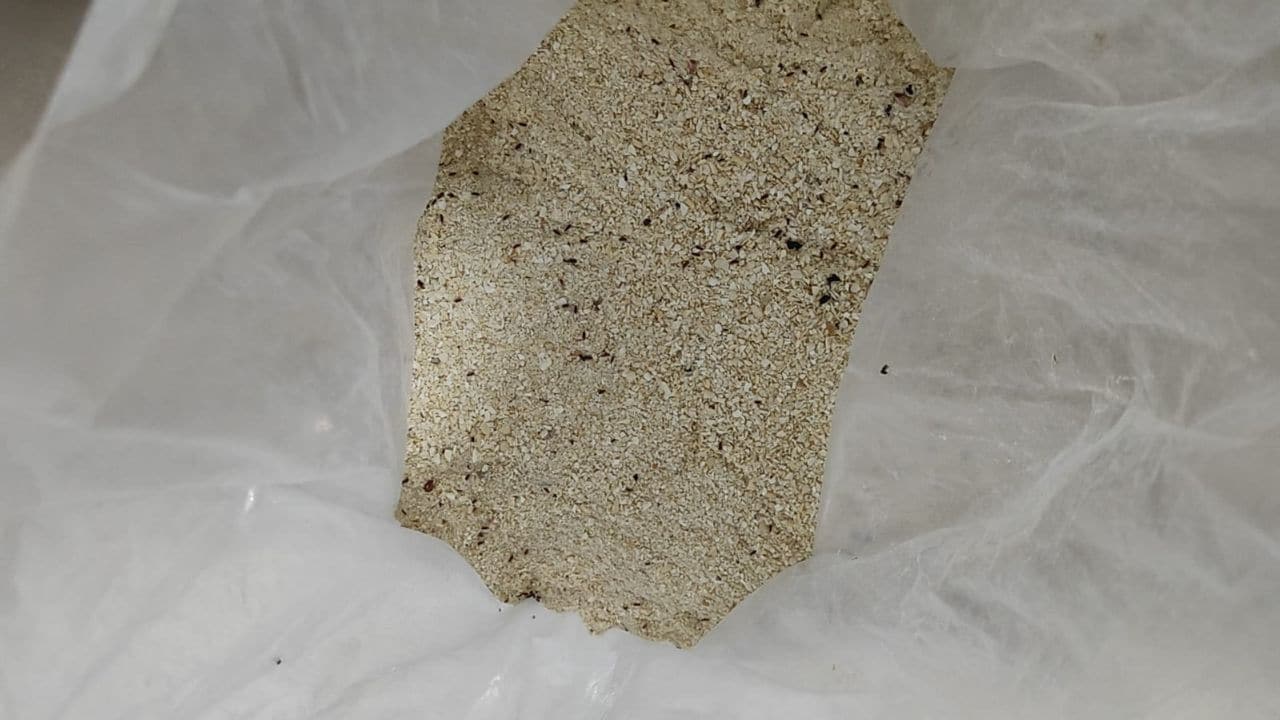
Around 210 kgs of cashew infested with insect valued at ₹1.5 lakh was seized from a repacking agency in Hyderabad’s Mallapur area on March 28 after the Telangana Food Safety Department’s Flying Squad found the stock to be of doubtful quality. Officials identified 36 kg of cashew infested with insects, which was immediately discarded.
In a separate inspection conducted the same day, the Flying Squad raided a manufacturing unit producing kulfi, falooda and badam milk in the same locality, where serious hygiene lapses were observed. Badam milk was found to be prepared under unhygienic conditions, with food products exposed to flies. Around 50 litres of products were discarded on the spot to prevent potential health risks.
Action Taken by the FSSAI
The provisional data provided by Union Minister of State for Health and Family Welfare Prataprai Jadhav to the Rajya Sabha reveals that for the year 2025-26, a total of 1,55,306 samples have been analysed, out of which a total of 27,567 samples were found non-confirming.
FINANCIAL YEAR
TOTAL RISK-BASED INSPECTION CONDUCTED
NO. OF SAMPLES ANALYSED
CANCELLED LICENSES
CRIMINAL CASES (NO. OF CONVICTIONS)
2022-23
11904
177511
533
1188
2023-24
18098
170513
408
1161
2024-25
26267
170353
220
1265
YEAR
INSPECTIONS CONDUCTED OVER THE PAST FIVE YEARS TO DETECT THE USE OF ARTIFICIAL RIPENING AGENTS IN FRUITS
SAMPLES ANALYSED
NON-CONFORMING SAMPLES (FOUND ARTIFICIALLY RIPENED WITH NON-PERMITTED AGENTS)
SEIZURES/DESTRUCTIONS MADE (IN KGS)
2020-21
10032
479
10
5037.6
2021-22
11217
352
31
8428.6
2022-23
14185
704
9
10182
2023-24
17180
1450
45
19582.2
2024-25
20365
1953
54
42395.46
Source: Health Ministry Data to Parliament