





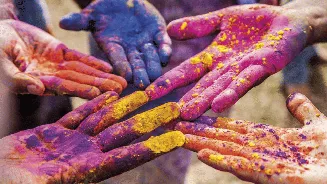
Holi 2026 is just around the corner, and with it comes a massive wave of excitement across India. Also known as the festival of colours, the joyous festival marks
the triumph of good over evil, the end of winter, and the arrival of spring. In 2026, the festival, which the whole world is taking to, is set to bring a vibrant energy, with main celebrations taking place in early March.
Occurring over two days in March, Holi features Holika Dahan and Rangwali Holi. This year, the main festivities for the festival of colours are on March 3 and March 4. Holi is a unique celebration defined by a mix of colours, music, dance, and traditional feasts. However, the joy is often dampened by the significant amount of water waste generated each year.
To counter this environmental impact, more people are shifting toward an eco-friendly Holi that preserves the festive spirit without the ecological cost. Celebrating Holi without water is a sustainable way to enjoy the festival of colours while conserving precious resources. You can maintain the festive spirit through eco-friendly practices that protect both the environment and your skin.
Here are some ideas to celebrate Holi in an eco-friendly way:
Phoolon ki Holi (Holi with flowers)
Inspired by traditions in Vrindavan, use fresh flower petals like marigold, rose, and hibiscus to play Holi instead of powders or water. This eco-friendly, traditional, and safe option offers a fragrant, non-toxic, and biodegradable way to enjoy the festival of colours to the fullest while protecting your skin, clothes, and the environment.
DIY natural colours
Commercially available synthetic colours contain a variety of toxic substances, which are hazardous to both human health and the environment. Create your own safe shades at home using gram flour, turmeric, Multani mitti, sandalwood, flowers and vegetables.
ALSO READ | Manipur’s Yaoshang Festival: The Northeast’s version of Holi
Tilak Holi
Embrace a dry celebration by applying organic gulal on the forehead to save water. Avoid plastic water balloons, water gun and harmful synthetic colours, opting instead for traditional, biodegradable materials to ensure a safe, sustainable, and skin-friendly festival.
Organic dry colours
Opt for natural and herbal gulal made from flowers and herbs. These are biodegradable, non-toxic, and wash off easily without requiring excessive water.
Dark clothes
Dark coloured clothes require less water to clean, so choose darker shades during the celebration. Because stains are less visible on dark colours, you won't need to over-wash or scrub too much, saving water.
Coconut oil
Apply coconut oil to your skin and hair to prevent the dry colour from sticking, which will make it easier to clean off without using much water later.
ALSO READ | Hola Mohalla in Punjab: The warrior Holi tradition